
Niger’s uranium sector caught in legal gridlock and trade deadlock
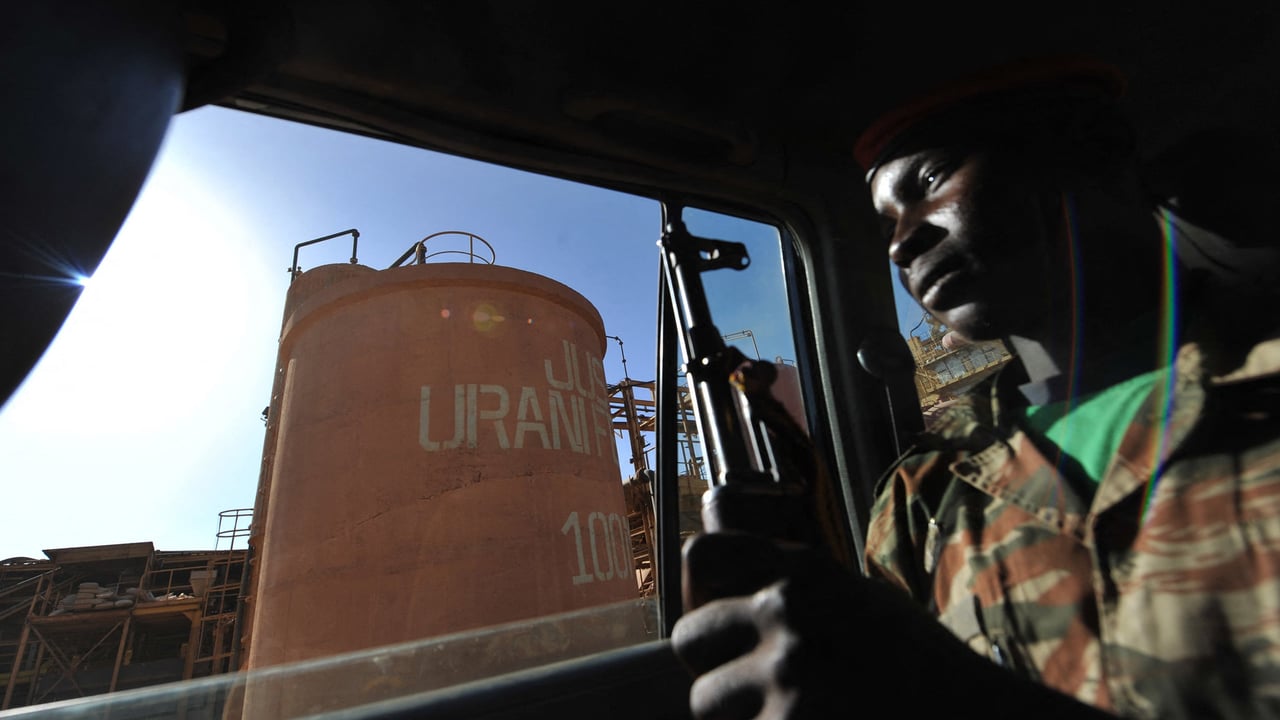
The uranium industry in Niger is at a critical juncture, with legal challenges and commercial disputes threatening to halt operations at key mining sites. The country, a major global uranium supplier, faces escalating tensions between its transitional government and international partners over contract terms and operational control.
Legal hurdles stall mining activities
Recent court rulings have frozen critical mining permits, citing violations of environmental and labor regulations. The transitional authorities have accused foreign operators of exploiting loopholes, while mining firms argue that regulatory changes violate existing agreements. This standoff has forced several sites into temporary shutdowns, disrupting supply chains.
Commercial impasse dents investor confidence
Trade negotiations between Niger and its uranium buyers have stalled, with buyers demanding price adjustments and stricter delivery schedules. Meanwhile, Niger’s government insists on renegotiating contracts to secure higher royalties and local processing benefits. The deadlock has left both sides reluctant to commit to long-term deals, casting uncertainty over future exports.
Impact on global uranium supply
Niger supplies approximately 5% of the world’s uranium, a vital fuel for nuclear energy. Prolonged disruptions could tighten global markets, particularly as demand rebounds from recent slowdowns. Energy analysts warn that unresolved disputes may force buyers to seek alternative sources, potentially reshaping trade dynamics in the sector.
Government response and international reactions
Transitional leaders in Niger have vowed to enforce stricter oversight, emphasizing local ownership and sustainable practices. However, international partners, including major European buyers, have expressed concerns over contract stability. Diplomatic efforts are underway to broker compromises, but progress remains slow amid entrenched positions.
What’s next for Niger’s uranium industry?
The coming months will be decisive. Resolving legal disputes and reopening negotiations could restore investor confidence and stabilize exports. Alternatively, prolonged inaction risks deeper economic repercussions, not only for Niger but for global energy markets. Stakeholders across the industry are closely monitoring developments, hoping for a breakthrough that balances national interests with international obligations.