From lofty rhetoric to financial dependency
The bold declarations of “restored sovereignty” and a definitive break with international financial institutions in Niamey are now colliding with hard economic realities. Despite the National Council for the Safeguarding of the Homeland (CNSP), led by General Abdourahamane Tiani, vowing full autonomy and brighter days for the people of Niger, the actions of the military regime are increasingly contradicting its own narrative. Faced with mounting social distress and an inability to meet basic public needs, the government has once again resorted to external borrowing to keep the economy afloat.
Facts over promises: the shift from ideological posturing to financial necessity
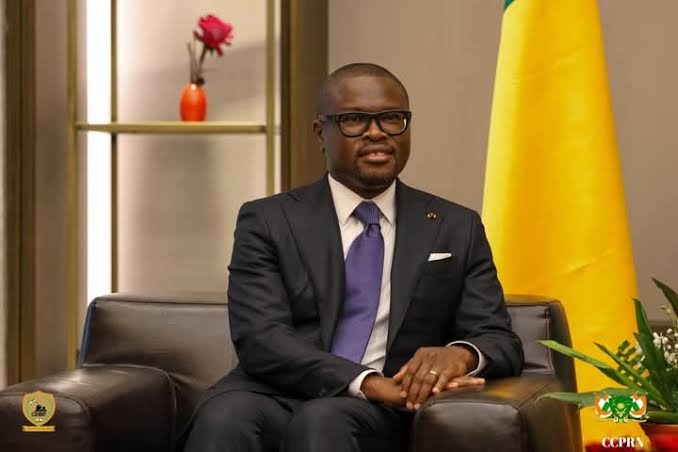
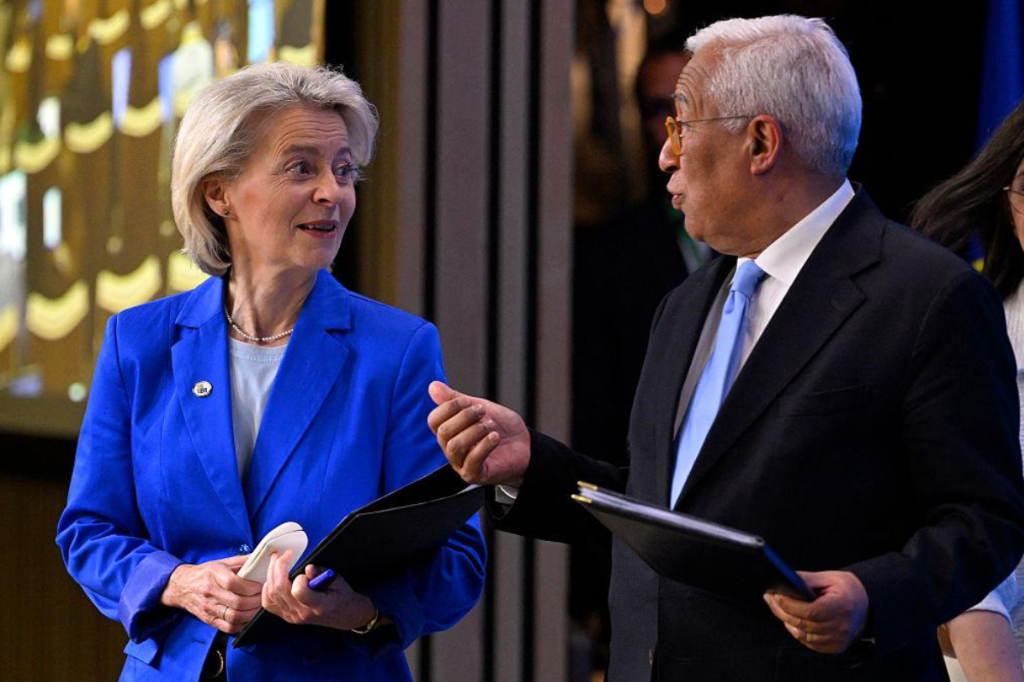
The most recent evidence of this contradictory approach emerged during the African Development Bank (AfDB) Annual Meetings in Brazzaville. On May 26, 2026, Niger quietly finalized a significant financial agreement. A deal was struck between Sidi Ould Tah, representing the AfDB, and Maman Laouali Abdou Rafa on behalf of Niger, securing a $172 million funding package.
Officially, these funds are earmarked for youth agricultural entrepreneurship, modernizing the sector through technological and financial innovation, and building resilient value chains amid severe food and climate pressures. Yet, for the average citizen, the disconnect between policy promises and lived reality could not be more pronounced. How can a government simultaneously advocate for a clean break with traditional aid and credit systems while actively pursuing fresh foreign financing? An increasing number of regional analysts and public observers argue that the so-called sovereignist transition is little more than a political facade masking a faltering economic strategy.
The gap between official narrative and ground reality
The chasm between government proclamations and the daily struggles of Nigeriens has never been wider:
- Persistent food insecurity: Despite bold assertions of self-sufficiency, households continue to grapple with soaring inflation and disrupted supply chains, eroding resilience.
- Economic stagnation for youth: The much-touted economic opportunities for young people remain elusive, leaving a generation trapped in unemployment and underemployment.
- Return to external borrowing: The urgent need to secure multi-million-dollar loans exposes the harsh reality that domestic revenue is insufficient to fund the regime’s developmental ambitions.
« The regime touts dignity and an end to dependency, yet the agreements inked abroad reveal an administration incapable of sustaining itself without external funds, » remarked an economist based in West Africa, speaking on condition of anonymity.
Pragmatism or admission of failure?
The CNSP’s decision to accept the $172 million loan implicitly acknowledges its inability to independently address Niger’s pressing climate-induced food and economic challenges. While agricultural development and youth financial inclusion are undeniably critical, the reliance on external debt under General Tiani’s leadership underscores the structural weaknesses of a government operating in diplomatic and regional isolation.
For Nigeriens, the pressing concern is no longer ideological posturing but tangible improvements in their daily lives. Each new financial agreement, presented by authorities as a triumph, merely postpones the reckoning: today’s debts are tomorrow’s liabilities, far removed from the illusion of absolute economic independence once promised.