The sudden shift in Niger’s uranium sector is reshaping the country’s economic and geopolitical landscape. With the collapse of SOMAÏR’s operations and the rise of Dasa, a new chapter in mineral extraction is unfolding—one that signals a decisive pivot toward American investment and away from France’s long-standing dominance.
From blocked mines to economic crossroads: the fall of SOMAÏR
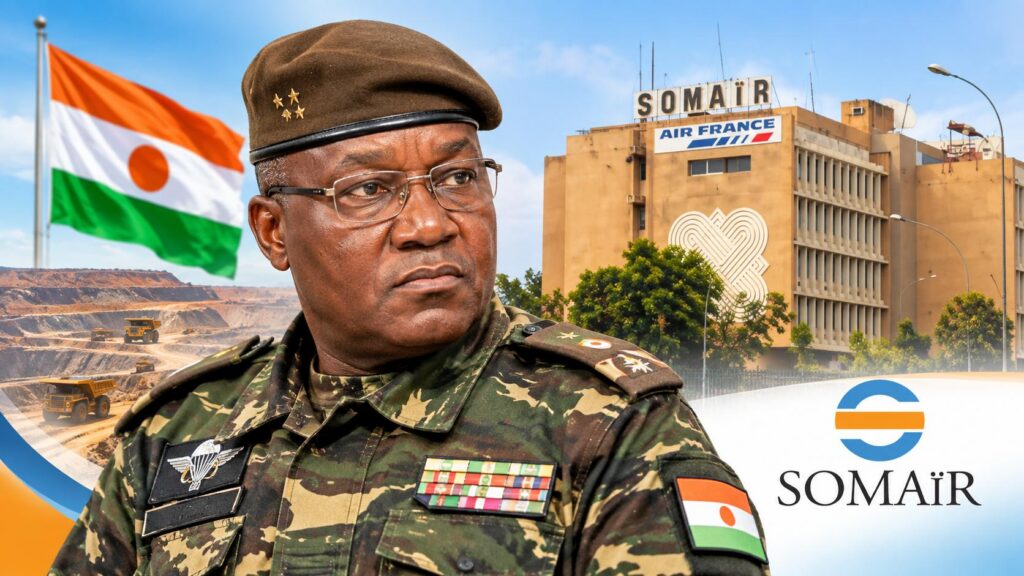
SOMAÏR, once Niger’s flagship uranium producer under French operator Orano, has seen its output plummet by over 80% in recent years. The decline stems from a perfect storm of logistical and political hurdles: closed borders with Benin, halted yellowcake exports, and a government determined to sever ties with what it views as a relic of colonial-era mining. The result? Orano suspended operations, and Niger’s transitional authorities revoked SOMAÏR’s permits—effectively crippling the mine’s once-vital role in the national economy.
The American alternative: Dasa’s strategic rise
Amid SOMAÏR’s struggles, the Dasa uranium project—backed by Canadian firm Global Atomic—has emerged as Niger’s new mining powerhouse. This transformation isn’t just about replacing lost output; it’s about redefining who controls the country’s mineral wealth. With one of the world’s richest uranium deposits, Dasa is poised to fill the void left by SOMAÏR, offering higher-grade ore and a fresh approach to extraction and investment.
Washington’s $414 million injection into Dasa underscores a clear shift in strategy. While Orano grapples with political fallout and operational paralysis, the U.S. is positioning itself as a pragmatic partner, leveraging financial support and neutrality perceived as more favorable by Niger’s current leadership. For Niamey, this means trading one colonial-era dependency for another—but with a different geopolitical ally at the helm.
Sovereignty in flux: weighing old loyalties against new alliances
Niger’s pivot toward Dasa highlights a paradox: a government that once campaigned against foreign influence now finds itself dependent on non-European capital to sustain its economy. The general Tiani administration, initially hostile to Western engagement, has been forced to embrace pragmatic alliances—underscoring how mineral wealth, not ideology, now dictates survival in the Sahel.
The stakes couldn’t be higher. Uranium is Niger’s second-largest export after gold, and its future hinges on whether Dasa can deliver the volume and stability lost with SOMAÏR’s collapse. For global markets, the question is whether this shift will stabilize supply chains or deepen regional instability as new power players jockey for control. One thing is certain: Niger’s uranium sector is no longer just about mining—it’s about redefining sovereignty in a rapidly changing world.