The eastern regions of the Democratic Republic of the Congo continue to witness persistent violations of international humanitarian law despite repeated commitments from authorities and international partners. In a bid to address this crisis, the International Committee of the Red Cross (ICRC) recently organized a high-level conference in Kinshasa, urging stricter adherence to these critical legal frameworks.
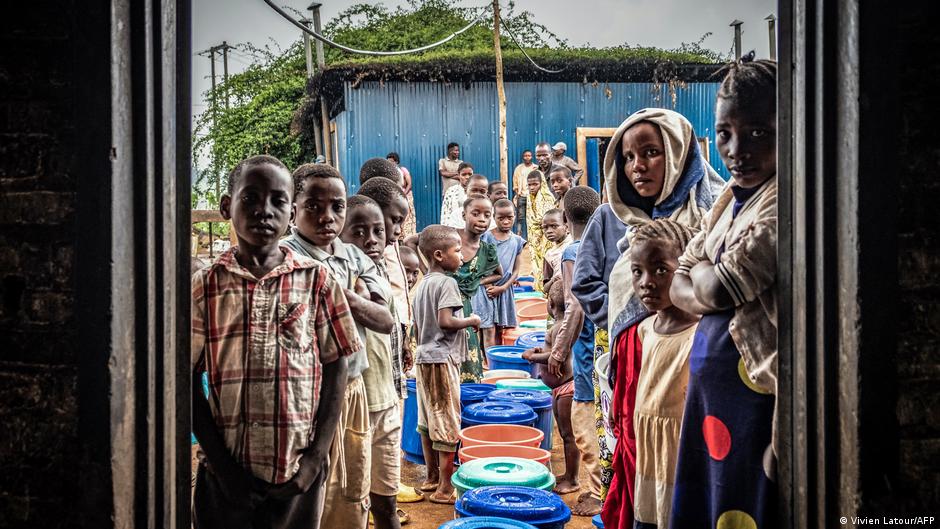
The proliferation of armed factions and relentless attacks on civilian populations have escalated the humanitarian emergency. These brutal acts not only breach the Geneva Conventions but also inflict profound suffering on communities caught in the crossfire of conflicts that show no signs of abating.
when war rules fail to protect the vulnerable
In conflict zones across North Kivu, South Kivu, Ituri, and Tanganyika, the principles of international humanitarian law remain poorly understood and, even when recognized, frequently ignored. This widespread disregard leaves civilians—particularly women and children—extremely vulnerable to grave human rights abuses.
Julienne Lusenge, a prominent human rights activist, underscores the staggering scale of sexual violence in these regions: “millions of cases have been recorded. Every single minute, women, girls, and children—along with some men—fall victim to sexual assaults. The burden falls disproportionately on women and girls.”
She further emphasizes the urgent need for international accountability: “to date, not a single perpetrator has been brought to justice at the global level. It is imperative that those responsible for sexual violence crimes face consequences through international sanctions.”
legal action as a deterrent against impunity
Julienne Lusenge advocates for strengthened security sector capabilities and intensified efforts to dismantle armed groups to better safeguard civilian lives. Meanwhile, military justice in the DRC has taken steps to prosecute soldiers implicated in atrocities. General Jean-Paul Tshayikolo, a military magistrate at the High Military Court, highlights the dual purpose of these proceedings: punishment and deterrence.
According to General Tshayikolo: “within any military force, there are both exemplary and problematic elements. While the military leadership strives for excellence, absolute impunity remains unattainable. However, military courts play a crucial educational role. By adjudicating cases, they set precedents that inform and guide other military personnel. Justice has been served, and the numbers reflect our commitment.”
a fragmented conflict landscape undermining justice
The eastern DRC hosts over 200 active armed groups, with concentrations in North Kivu, South Kivu, Ituri, and Tanganyika. The fluid alliances and shifting loyalties among these factions pose significant challenges to identifying perpetrators and enforcing international humanitarian law.
Additionally, the blurred lines between combatants and civilians on the ground further complicate legal proceedings and perpetuate a culture of impunity. These systemic issues hinder the pursuit of justice and allow violations to go unchecked, exacerbating the humanitarian crisis.