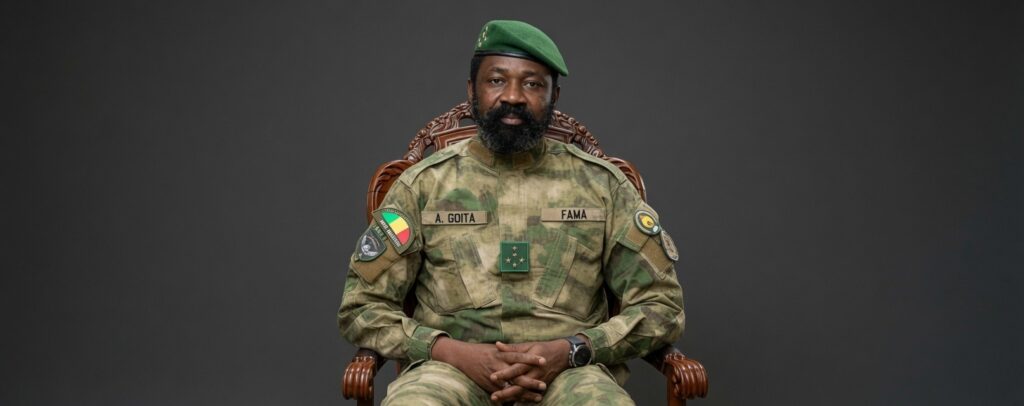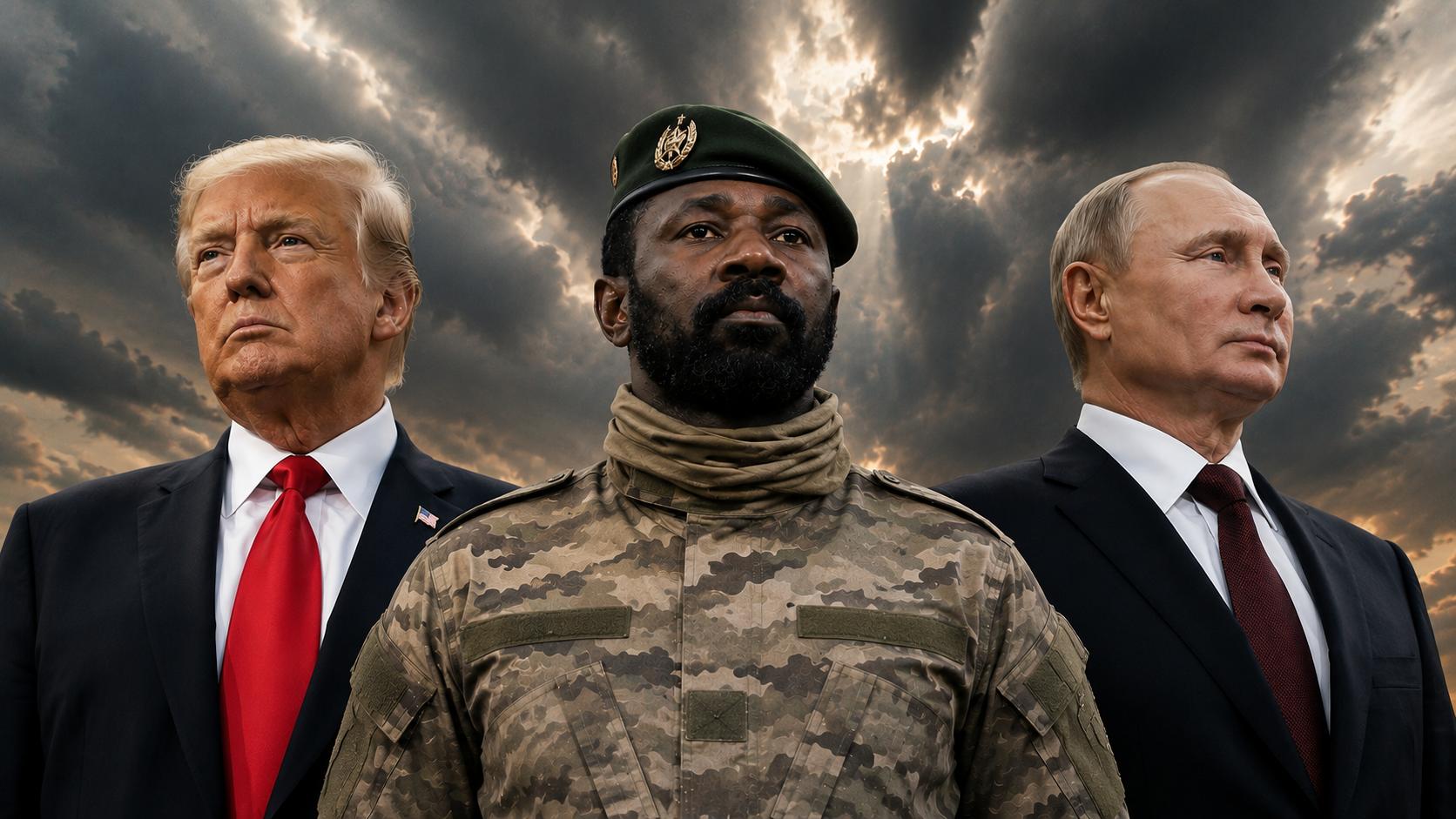
The promise of a quick-fix solution through alignment with Moscow has collapsed in Mali. Despite the transitional government’s insistence on self-reliance and its rejection of Western partners, the security landscape tells a starkly different story: the jihadist threat is escalating, and the Russian-backed paramilitary strategy has hit a critical dead end.
The faltering security strategy of Africa Corps
Three years after Moscow deployed its mercenaries—initially under the Wagner Group banner, now rebranded as Africa Corps—the results are undeniable: a heavy toll with no strategic gains.
- Tactical failures mount: Rather than crushing the insurgency, Africa Corps has suffered repeated setbacks, including devastating ambushes in northern Mali, particularly near Anéfis, and relentless attacks on mixed-use airbases.
- Terrorist expansion accelerates: The Group for the Support of Islam and Muslims (JNIM), an Al-Qaeda affiliate, has grown stronger and more equipped than ever. The threat has shifted southward, now encroaching on the nation’s economic and institutional core, putting the capital under siege-like pressure.
- Critical operational gaps: Without the advanced aerial reconnaissance, projection capabilities, and cutting-edge technology once provided by multilateral partnerships, the Malian Armed Forces (FAMA) and their Russian allies remain dangerously exposed.
Could U.S. precision strikes be Mali’s turning point?
As the Russian-led approach flounders, Washington’s consideration of targeted strikes against JNIM presents a potential lifeline. Unlike the large-scale ground interventions of past decades, this proposed model leverages high-tech precision to dismantle the insurgency without boots on the ground.
The strategic advantages are clear:
- Unmatched technological edge: A robust intelligence network—comprising real-time monitoring, medium-altitude long-endurance drones, and satellite targeting—empowers the U.S. to decapitate JNIM’s leadership and dismantle its command structure without direct military involvement.
- Immediate relief for Malian forces: By striking at the heart of JNIM’s logistics and supply chains, these strikes could relieve pressure on Malian garrisons and halt the group’s southward expansion toward the Gulf of Guinea.
- Avoiding the pitfalls of Russian support: While Moscow’s methods suffer from limited targeting intelligence and a lack of heavy air support, American precision strikes offer a surgical solution to the asymmetric threat without dragging Mali into a protracted war of attrition.
Rethinking strategy to secure Mali’s future
The transitional government’s insistence on self-sufficiency—now exposed as an illusion—has left the nation vulnerable. The hardships faced by rural communities and the relentless advance of JNIM prove that no country can single-handedly defeat a transnational terrorist threat of this scale.
Clinging to an ideologically driven refusal of American support while maintaining a demonstrably ineffective Russian partnership is a gamble Mali cannot afford. To reclaim territory and restore stability, military logic demands transcending political dogma and embracing the only technological advantage capable of shifting the balance of power in favor of Bamako.