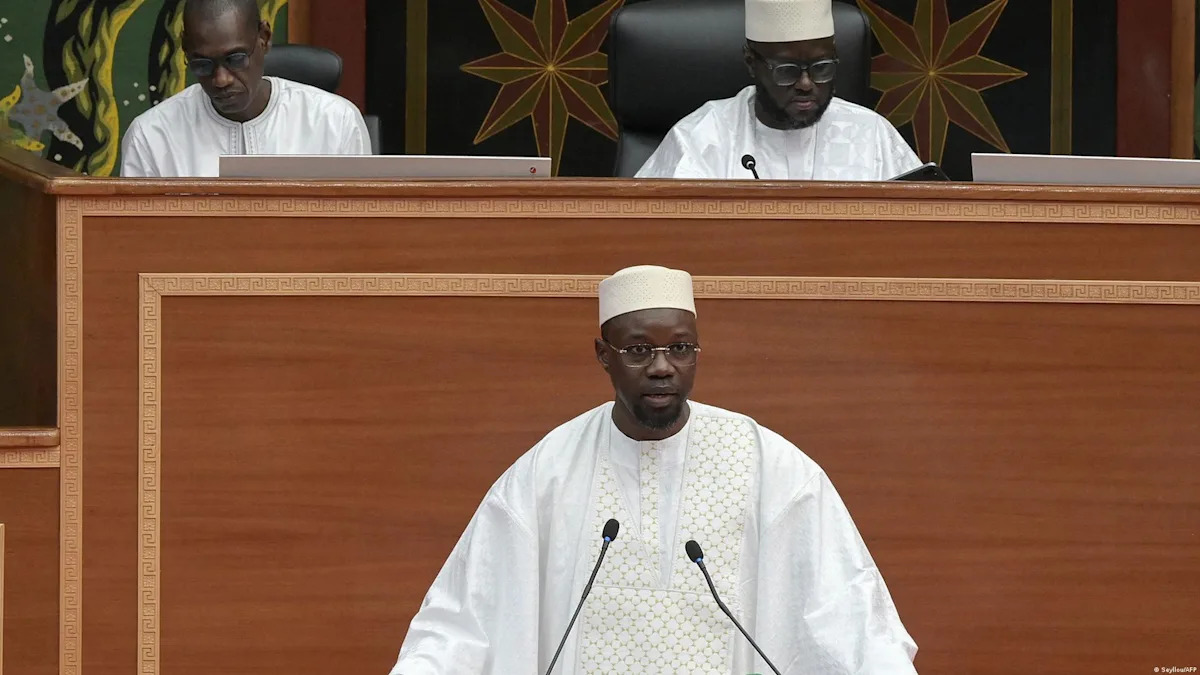
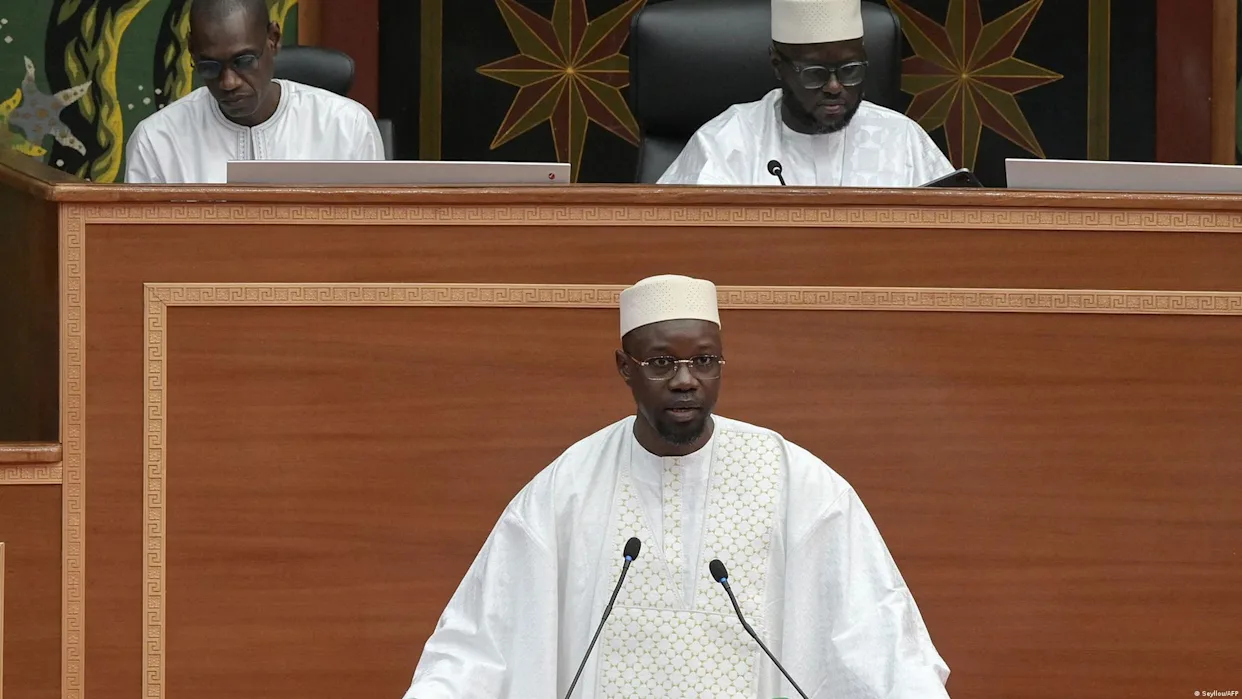
In a dramatic turn of events at the Senegal National Assembly, Ousmane Sonko has been elected as the new President, securing a decisive majority for his party, Pastef-Les Patriotes. This victory follows intense political maneuvering and underscores the shifting dynamics within West Africa’s political landscape.
The election comes after Sonko’s party, which holds 130 of the 165 parliamentary seats, rallied behind his candidacy despite recent rifts with President Bassirou Diomaye Faye. The move replaces former Assembly President El Hadj Malick Ndiaye, who resigned following Sonko’s dismissal as Prime Minister.
A fractured alliance and political fallout
Sonko’s election follows his abrupt removal as Prime Minister by President Faye, a move that has ignited tensions within the ruling party. Supporters, including campaign volunteers, express disillusionment, having championed the slogan “Diomaye est Sonko – Sonko est Diomaye” during last year’s elections.
Nourdine Diallo, a former campaigner, voiced disappointment, stating, “It deeply hurt us to see the President dismiss the Prime Minister. We campaigned on unity, and now we’re witnessing a rift that risks destabilizing the nation.”
Institutional showdown ahead
Today’s Assembly session will address two critical issues: Sonko’s potential reinstatement as a deputy and the election of a new Assembly President to replace Ndiaye. Sonko’s reinstatement is expected to pass, positioning him as the second-highest authority in the country.
Political analyst Malao Kanté warns of a looming confrontation, stating, “Sonko now represents the face of the opposition, but his party controls the majority. This could trigger a no-confidence motion and paralyze governance.”
Constitutional concerns and opposition backlash
The opposition, led by Assembly group leader Aïssata Tall Sall, has condemned Sonko’s reinstatement as unconstitutional, urging President Faye to challenge it before the Constitutional Council. Sall cautioned that inaction could embolden Sonko to target Faye’s presidency next.
In response, Faye appointed former central bank executive Ahmadou Al Aminou Mohamed Lô as the new Prime Minister, urging national unity during what he described as a pivotal moment for Senegal.
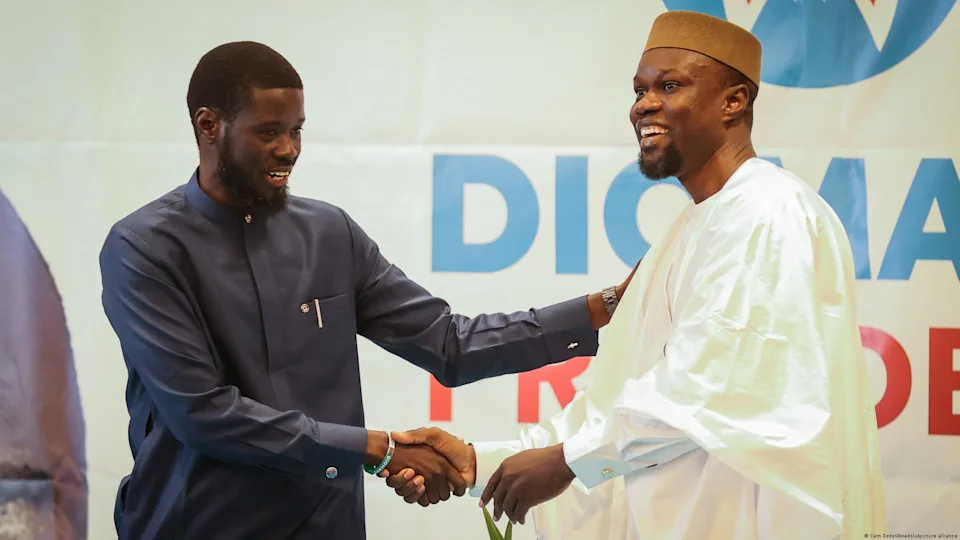
The fallout has triggered resignations within Pastef, with party officials stepping down in solidarity with Sonko. Meanwhile, the opposition’s Takuu Walu group has rejected Ndiaye’s resignation letter, alleging procedural violations in the Assembly’s rules.
As Senegal navigates this political storm, the coming weeks will reveal whether the nation can reconcile its leadership fractures or succumb to deeper institutional gridlock.