Massive investment of 279 billion CFA currently frozen in Sénégal
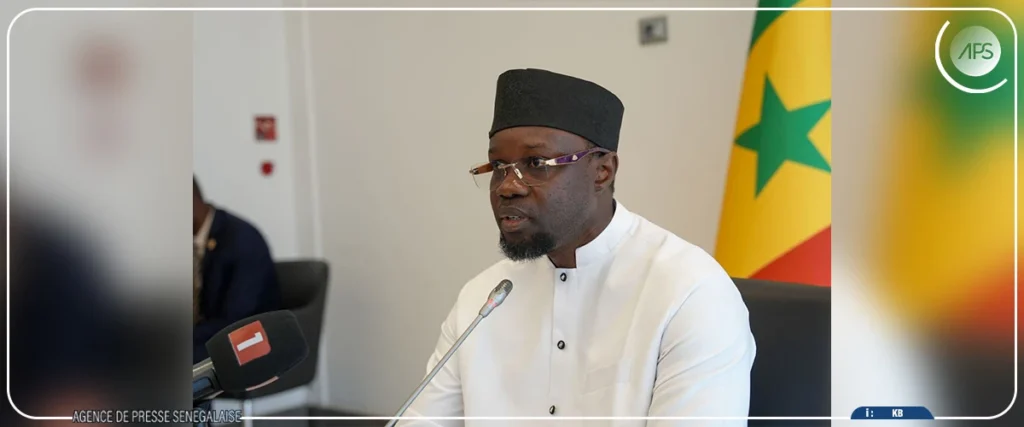
In a major assessment of the nation’s development landscape, Prime Minister Ousmane Sonko revealed in Dakar that 245 infrastructure projects are currently at a standstill throughout Sénégal. These stalled initiatives represent a significant public investment totaling 279 billion CFA francs.
This comprehensive audit follows a directive from the Council of Ministers held on April 15, where various departments were tasked with identifying “blocked” projects under their jurisdiction. The resulting technical diagnosis highlights a worrying volume of dormant assets that are failing to serve the public interest.
Financial and technical hurdles delaying progress
The Prime Minister explained that these 245 cases include projects that have been fully completed but never commissioned, as well as those currently under construction that have ground to a halt. He identified a lack of financial resources as the primary reason for these interruptions, though technical complications have also played a role in several instances.
Furthermore, Ousmane Sonko pointed out a lack of foresight regarding utility connections. He noted that many projects were designed or built without adequate planning for essential water and electricity network integration, making them unusable upon completion. He described the practice of building infrastructure without a clear plan for its operation as “inconceivable.”
A new era of accountability and zero tolerance
In response to these findings, the Prime Minister has established a dedicated committee within his office to oversee and finalize the inventory, which he believes is not yet exhaustive. He has demanded that all relevant services anticipate technical requirements more effectively to avoid future bottlenecks.
Criticizing what he described as negligence and laxity in project management, the Prime Minister emphasized that such failures result in unacceptable delivery delays. Moving forward, he announced a policy of “zero tolerance” toward the mismanagement and lack of oversight that have led to these massive economic losses for Sénégal.