Ousmane Sonko reinforces hardline stance against homosexuality in Senegal
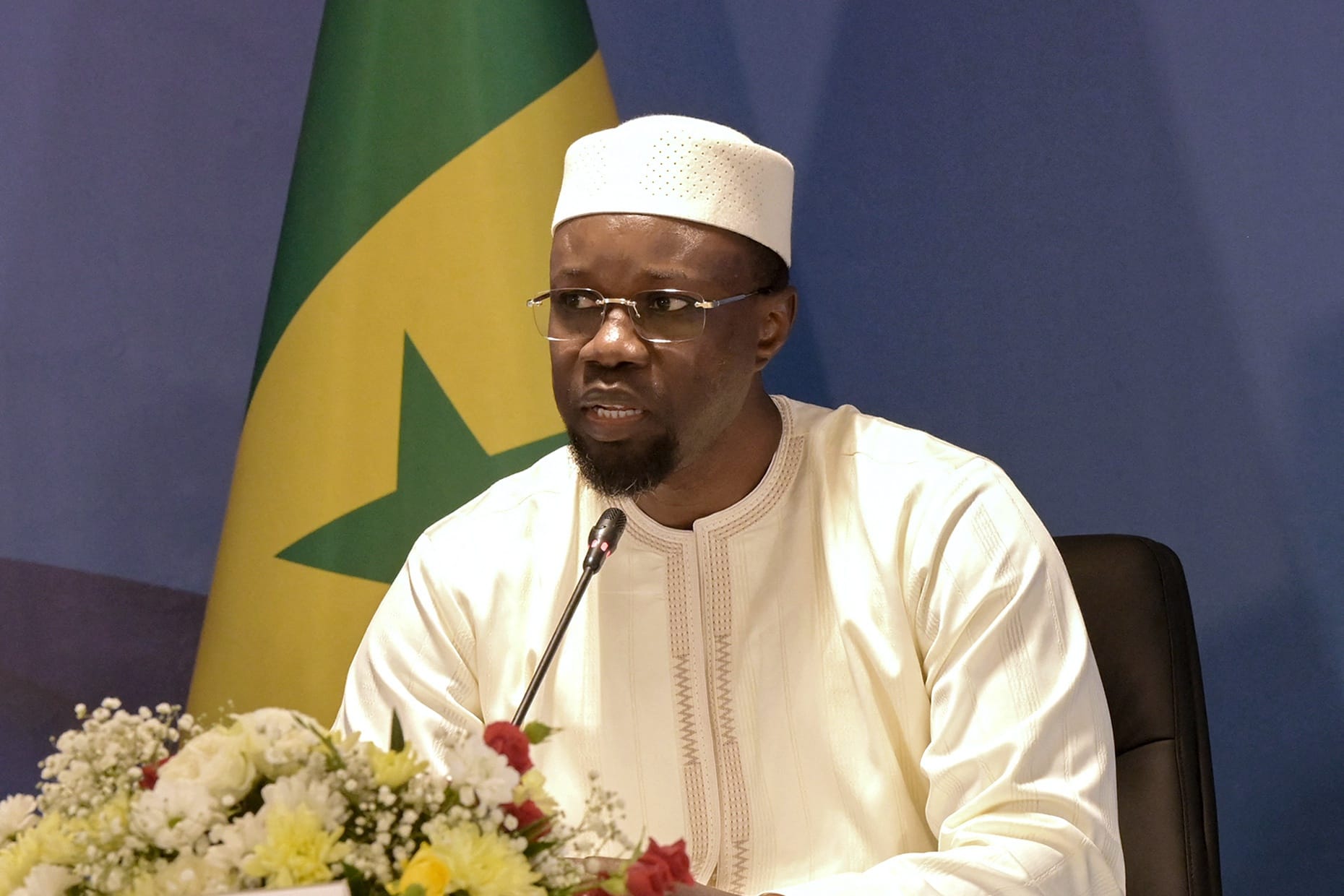
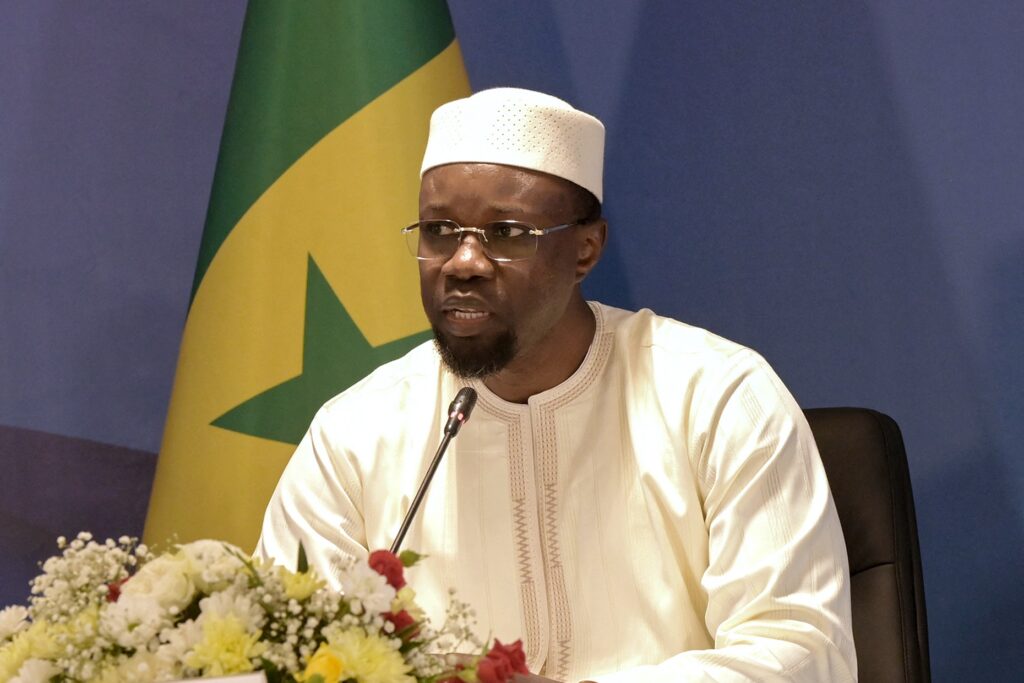
The Prime Minister of Sénégal, Ousmane Sonko, issued a stern condemnation on Friday against what he characterizes as Western pressure to “impose homosexuality on the rest of the world.” This firm declaration occurs in a national context already marked by intense hostility and several detentions for alleged same-sex conduct.
In early March, Sénégal approved a new legislative measure that doubles the prison sentences for homosexual acts, which are now punishable by five to ten years of incarceration. President Bassirou Diomaye Faye officially enacted the law on March 31.
Dismissing international pressure
Addressing the National Assembly, Ousmane Sonko brushed aside all foreign disapproval, particularly from France. He also categorically rejected the idea of a moratorium on the law’s application, despite a collective appeal made in mid-May by thirty prominent African figures. These individuals had warned of a growing “atmosphere of fear, hatred, and violence” that has taken hold since the legislation was passed.
“Ending the ‘proliferation’ of homosexuality”
The head of government instead instructed the judiciary to implement the law in a “total” and “flawless” manner, asserting that the primary goal is to stop the spread of homosexuality in the country.
This line of argument, while politically popular within Sénégal, is causing significant alarm. By increasing the criminalization of private acts between consenting adults, the government risks fueling social stigma, vigilante denunciations, and physical violence. Beyond the geopolitical tensions regarding these issues, the protection of human dignity and the prevention of hate-fueled violence remain essential priorities for social stability.