
Senegal’s political landscape shifts as Ousmane Sonko consolidates Pastef’s dominance
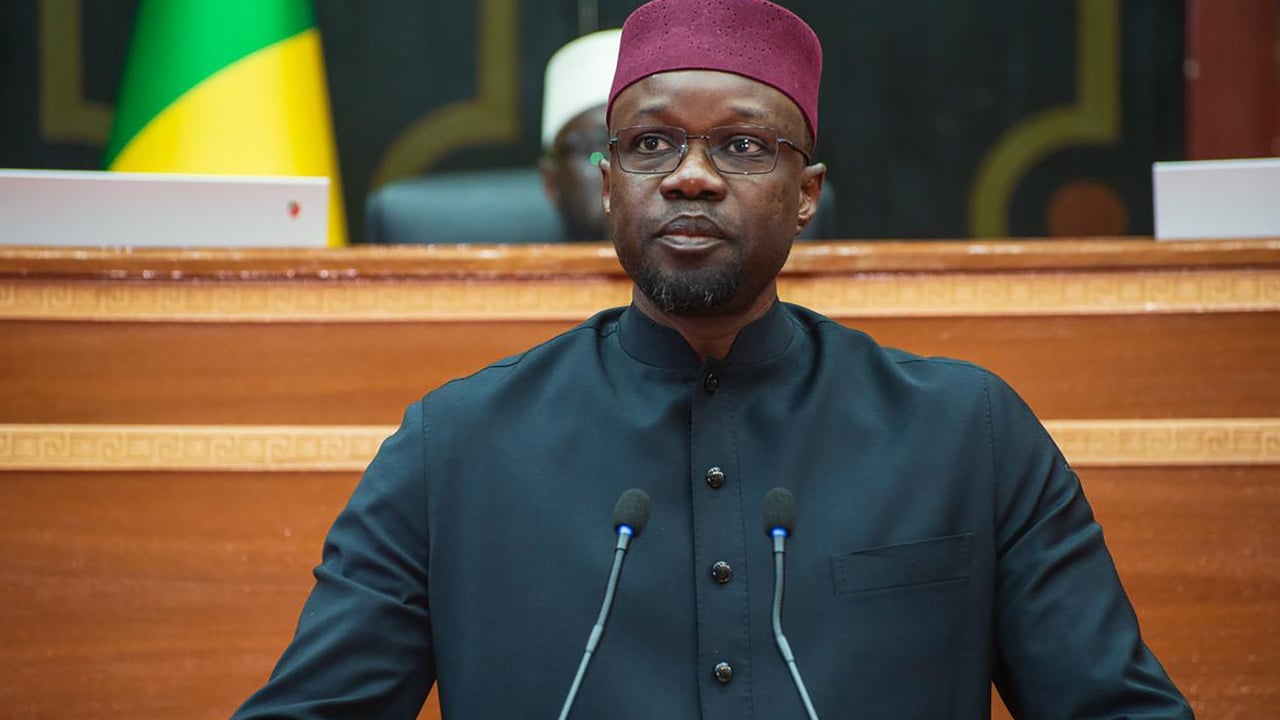
In the heart of Dakar, the capital of Senegal, a political storm is brewing—and Ousmane Sonko, leader of the Pastef movement, is at its epicenter. With a series of strategic moves and a growing wave of public support, Sonko is not just preparing for an election; he is laying the groundwork for a potential transformation of Senegal’s political future. At a recent gathering in the National Assembly, the opposition figure made a bold statement that resonated across the nation: this would be more than a campaign—it would be a display of strength.
From opposition to a force to reckon with
Ousmane Sonko’s journey from a vocal critic of the establishment to a central figure in Senegalese politics has been nothing short of meteoric. Once a marginalized voice, he has now become a symbol of change for many citizens disillusioned with traditional parties. His party, Pastef, has rapidly evolved from a grassroots movement into a political powerhouse, challenging the status quo and redefining the rules of engagement in Senegalese democracy.
Key to Sonko’s rise has been his ability to connect with young voters, who represent a significant portion of the electorate. His message of economic justice, anti-corruption, and social reform has struck a chord, particularly in urban centers where unemployment and inequality remain pressing concerns. As Pastef gains momentum, Sonko’s opponents are taking notice—and preparing for what promises to be a fiercely contested political battle.
Pastef’s grassroots strategy: mobilizing the base
The secret behind Pastef’s rapid ascent lies in its community-driven approach. Unlike traditional parties that rely on top-down structures, Sonko’s movement has thrived by empowering local activists and fostering direct engagement with constituents. From neighborhood meetings in Dakar’s bustling districts to rallies in rural areas, Pastef’s campaign is as much about dialogue as it is about rallying votes.
This grassroots strategy has allowed Sonko to build a loyal following that transcends generational and regional divides. His rallies are not just political events; they are cultural phenomena, drawing thousands of supporters eager to hear his vision for a new Senegal. With each gathering, the movement’s influence grows, setting the stage for what could be a defining moment in the country’s political history.
Opposition voices react: a divided establishment
As Pastef’s influence expands, Senegal’s political establishment is showing signs of strain. The traditional parties, long accustomed to uncontested dominance, now face an unprecedented challenge. Some have attempted to co-opt Sonko’s rhetoric, while others have resorted to legal maneuvers to curb his rising popularity. Yet, despite these efforts, the movement continues to gain traction, fueled by widespread discontent with the status quo.
The government’s response has been a mix of caution and concern. While some officials acknowledge the need for reform, others view Sonko’s rise as a direct threat to their grip on power. The coming months will reveal whether Senegal’s political elite can adapt to this new reality or if they will double down on strategies that could further polarize the nation.
What’s next for Ousmane Sonko and Pastef?
The road ahead is fraught with challenges, but Ousmane Sonko appears undeterred. With national elections on the horizon, the stakes could not be higher. Will Pastef’s momentum translate into electoral success? Or will the establishment’s resistance prove too formidable? One thing is certain: Senegal’s political landscape is evolving—and Ousmane Sonko is leading the charge.
As the country watches, one question lingers: Is this the beginning of a new era for Senegal, or merely a passing storm in its turbulent political climate?