
As diplomatic efforts to resolve the Western Sahara dispute stall, Morocco is pressing ahead with its regionalization plan, signaling a strategic shift in its approach to the long-standing conflict.
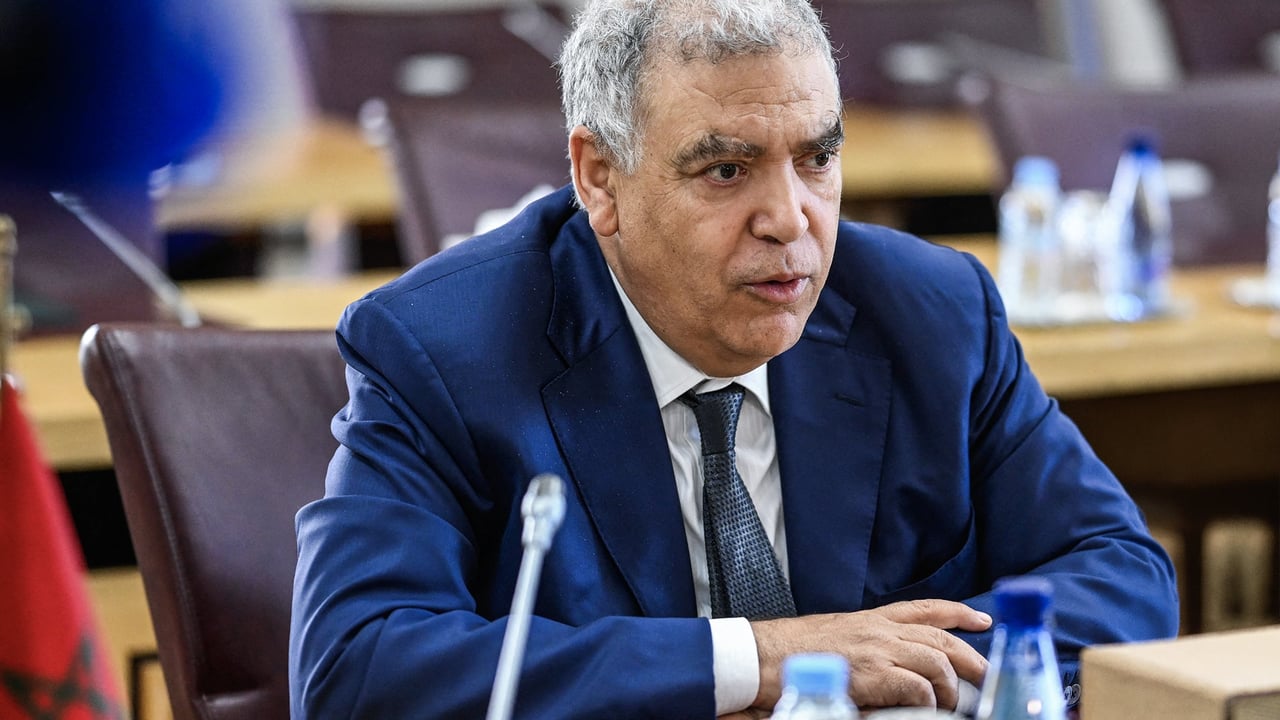
Interior Minister Abdelouafi Laftit confirmed that the government is finalizing a new legal framework aimed at devolving greater autonomy to the southern regions, including areas within the disputed territory. The proposed reforms, expected to be submitted to parliament soon, represent Rabat’s latest bid to reinforce its sovereignty narrative while addressing international calls for a negotiated solution.
Key elements of the plan include expanded local governance, enhanced economic development initiatives, and a redefined role for regional institutions. Analysts suggest these measures could strengthen Morocco’s position in future negotiations, even as the United Nations-backed talks remain deadlocked.
Why the urgency?
The timing of this push is no coincidence. With the UN Security Council set to review the situation in October, Morocco appears determined to present tangible progress as part of its diplomatic offensive. The regionalization strategy, first outlined in 2021, has gained momentum under the leadership of King Mohammed VI, who has repeatedly emphasized its role in fostering stability and development.
Critics of the plan, however, argue that it falls short of addressing core demands for a referendum on self-determination. Meanwhile, supporters highlight its potential to improve living conditions in the south and reduce tensions.
Economic implications
The proposed reforms also carry significant economic implications. By decentralizing key sectors such as agriculture, mining, and tourism, Rabat aims to boost investment and job creation in the region. Phosphate-rich areas, a major revenue source for Morocco, are expected to benefit substantially from these changes.
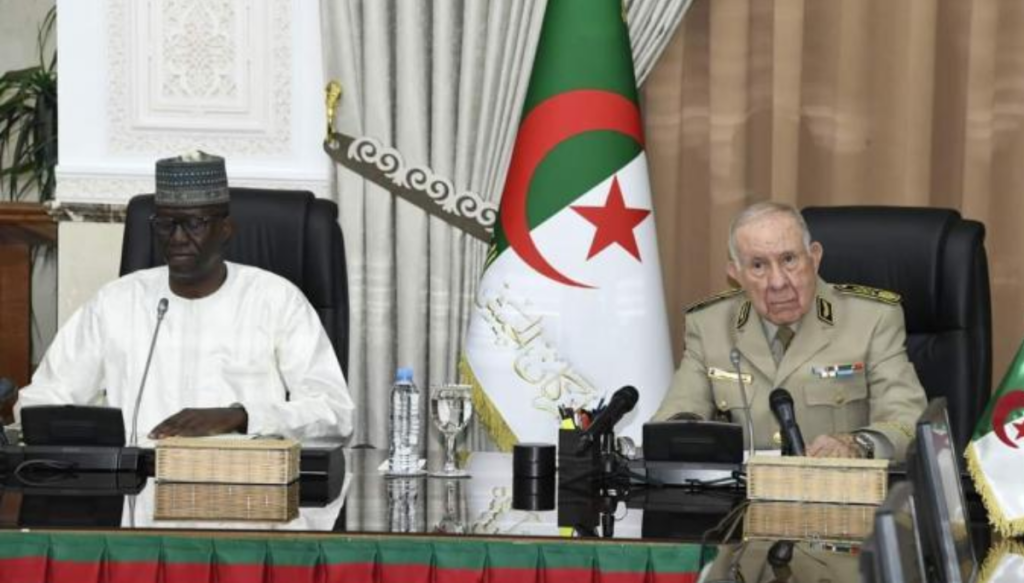
Yet, the plan’s success hinges on international recognition and local acceptance. While Algeria and the Polisario Front continue to oppose Morocco’s sovereignty claims, neighboring countries like Mauritania and Senegal have signaled cautious support for dialogue.
Looking ahead
As Morocco advances its agenda, the coming months will be critical. Will the regionalization plan breathe new life into stalled negotiations, or will it deepen divisions? One thing is certain: Rabat’s bold move underscores its determination to shape the future of the territory on its own terms.