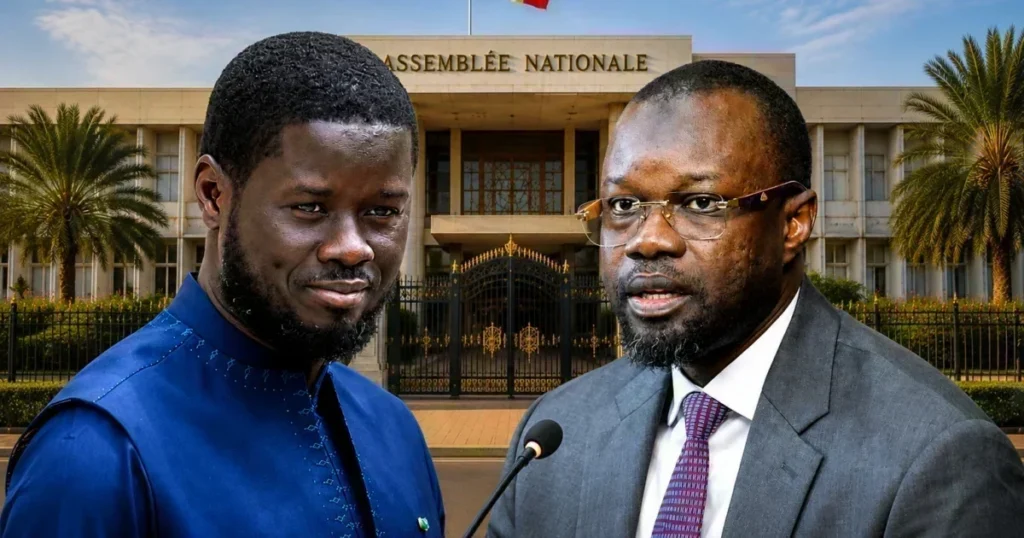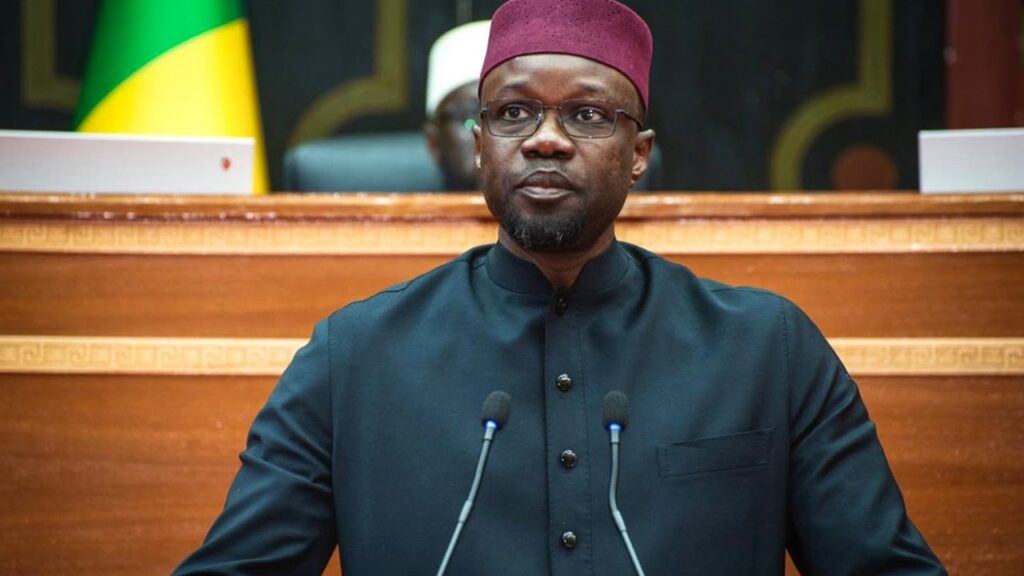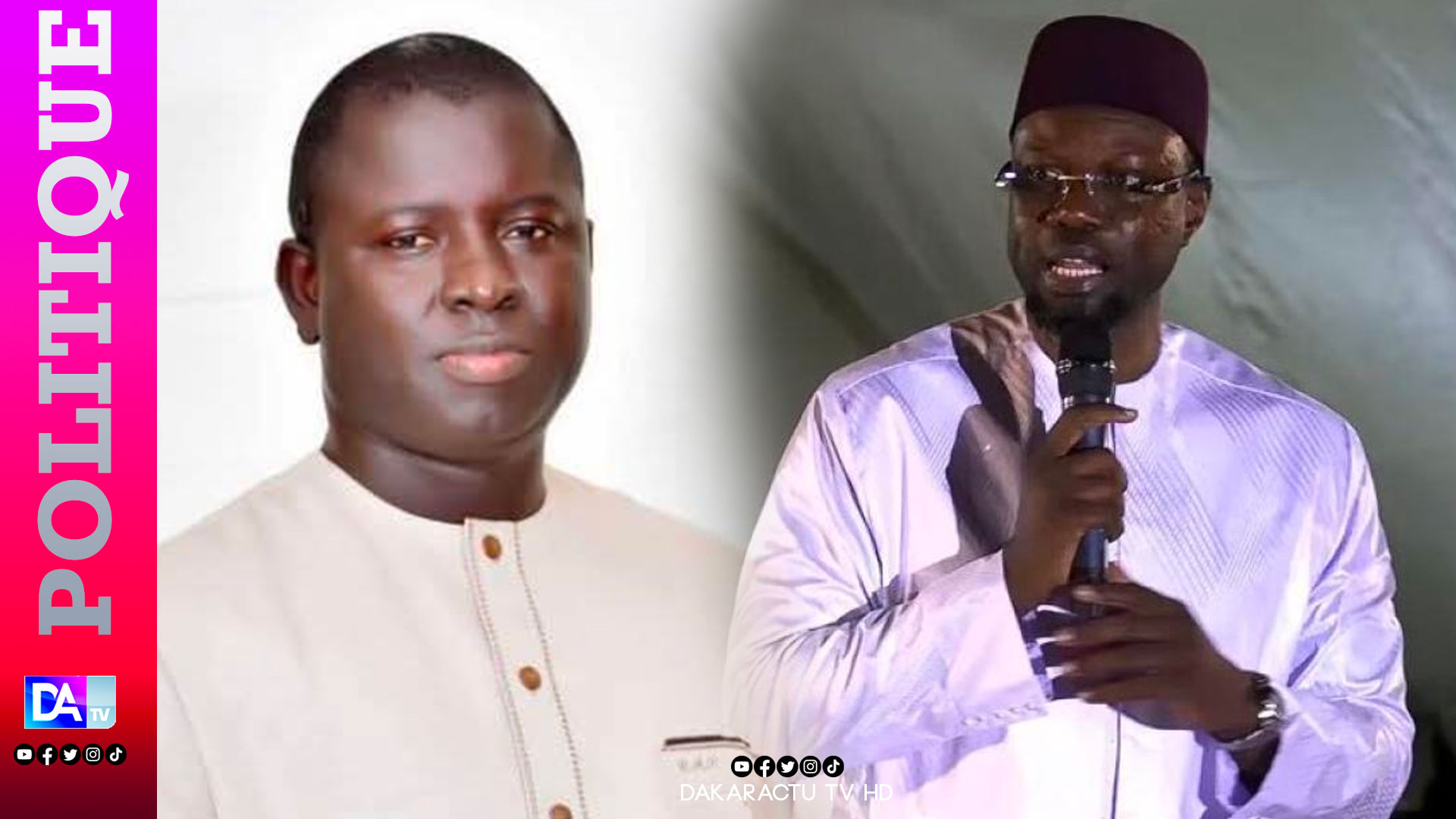
The political landscape in Senegal is witnessing a profound shift, one that challenges the very foundations of democratic governance. Once a vocal opposition figure, Ousmane Sonko, leader of the Pastef party, has transitioned from a strategy of popular resistance to an unprecedented institutional confrontation. The question on everyone’s mind: how far will he go?
From “Gatsa-Gatsa” to “Maa Tay”: A radical evolution
The “Gatsa-Gatsa” slogan—meaning “short tail pays short tail”—was originally coined as a rallying cry for unyielding resistance against the previous regime. It symbolized a tit-for-tat approach, where every action elicited a direct response. Over time, however, this strategy evolved into something far more destabilizing: a systematic exploitation of national institutions to serve political ends.
Sonko’s ascent to the presidency of the National Assembly marked a turning point. His attempt to push through a constitutional reform project, despite widespread skepticism, was swiftly rejected by the Constitutional Council. Rather than prompting introspection or compromise, this legal setback appears to have fueled a deeper resolve to challenge the system—not through dialogue, but through obstruction.
The rise of “Maa Tay” institutionalism: a dangerous precedent
Enter the “Maa Tay” doctrine—”I don’t care.” This new posture, characterized by deliberate government paralysis and disregard for judicial and constitutional rulings, raises serious concerns. No longer confined to political rivalry, this approach threatens the very pillars of the state:
- Relentless obstruction: Halting governance processes purely to assert dominance, even at the expense of national progress.
- Judicial defiance: Dismissing court rulings and constitutional verdicts as mere obstacles to be circumvented.
- Institutional hostage-taking: Weaponizing frustration over blocked ambitions to justify extreme measures.
The implications are stark. Senegal’s democracy has long thrived on the resilience of its institutions, which have weathered crises through dialogue and compromise. Replacing these pillars with defiance and procedural contempt sets a dangerous precedent—one where personal grievances overshadow the collective good.
Democracy’s resilience at stake
Political figures come and go, ambitions fade or transform, but institutions endure. Undermining them to mask personal frustrations or hidden agendas doesn’t just weaken the state—it endangers Senegal as a whole. While opposition and checks on power are constitutionally protected rights, systematic obstruction under the guise of republican defiance is a dead end.
Cheikh Issa Sall, President of the UNITE Party