political fallout in Senegal after sonko’s dismissal
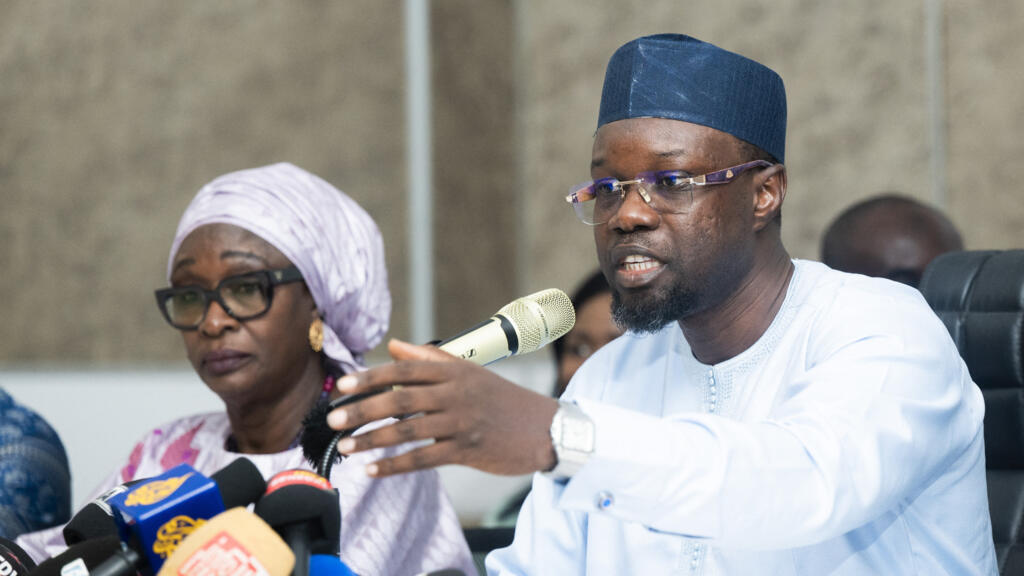
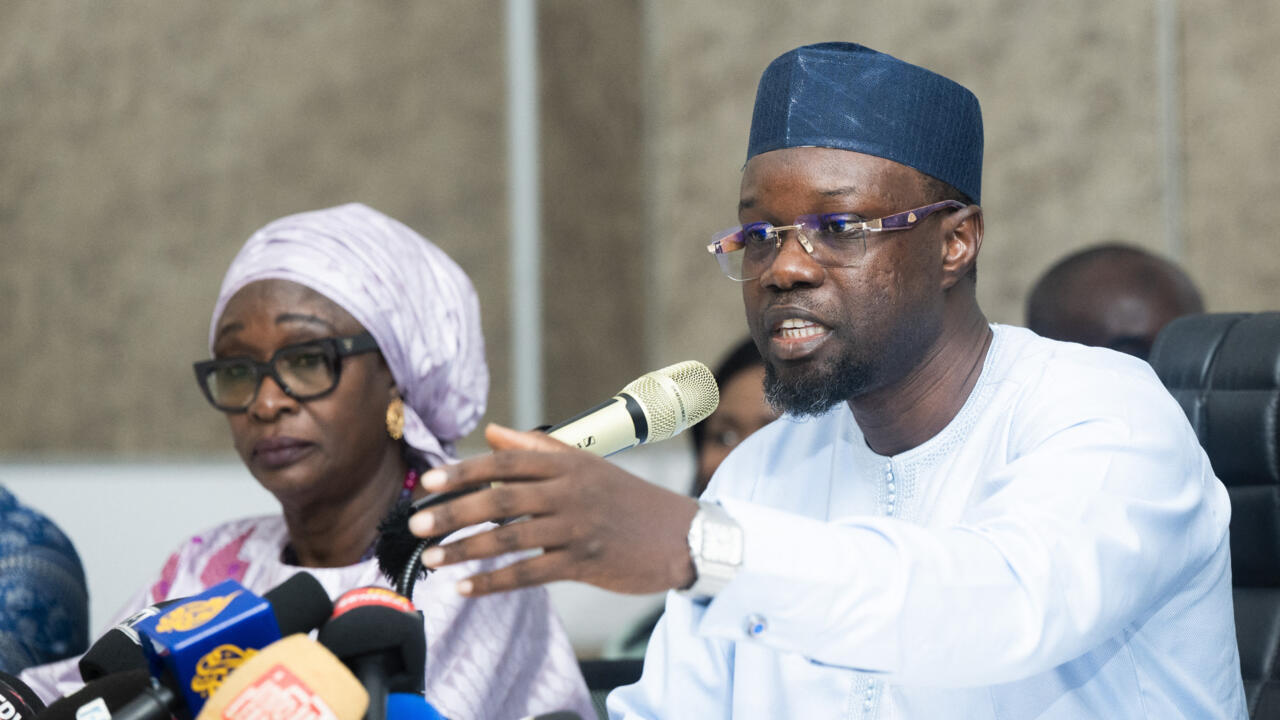
Just days after his removal from office as Prime Minister of Senegal, Ousmane Sonko wasted no time in launching a sharp counterattack against President Bassirou Diomaye Faye. Speaking at a press conference in Dakar, the former head of government and Pastef party leader did not mince words. Though he stopped short of calling for institutional destabilization, Sonko emphasized that his party’s parliamentary majority grants them the power to topple the current administration through a no-confidence motion. He went further, accusing the President of ignoring repeated warnings about the risks of such a political standstill.
Sonko’s remarks underscored what he described as an unprecedented political cohabitation within the majority. “We had a government with no political foundation,” he declared, dismissing the coalition touted by the presidency as irrelevant. “This so-called coalition represents nothing,” he asserted, adding that labeling the executive as a “technocratic government” merely exposes its political isolation. In his view, the Pastef party holds the sole legitimate mandate from the people, having secured the largest share of seats in the National Assembly. Governing without them, he argued, equates to governing without the people’s voice.
a weakened executive facing uncharted territory
The political landscape in Dakar is now fraught with uncertainty. Analysts note that the absence of the Pastef party from the government poses a significant challenge for President Faye’s camp. Despite constitutional authority, the President’s ability to implement reforms hinges on maintaining trust with the Pastef-led parliamentary bloc. The stakes are high: without their support, passing new legislation and advancing key policies could prove nearly impossible.
Observers warn that the current situation is anything but a traditional cohabitation—where opposing factions share power. Instead, what is unfolding is a deep rift within the same political movement. With Pastef controlling 130 of the 165 parliamentary seats and refusing to participate in the government, the executive finds itself in a precarious position. The party’s president, Sonko, remains a formidable figure, commanding a vast network of supporters nationwide.
As one analyst put it, President Faye “has erased the memory of what brought him to power.” The administration now operates in a void, stripped of the narrative that once defined its mission. Meanwhile, Sonko stands ready in the National Assembly, not as a rival but as the guardian of the movement’s original vision. “We were there before, and we will remain,” he implied, positioning himself as the true voice of the people’s mandate.
a political rupture with no clear precedent
Experts describe the current standoff as a political rupture without historical parallel in Senegal. Unlike classic cohabitation scenarios, this is a schism within the ruling party itself. The government, led by Prime Minister Al Amine Lô, lacks an independent parliamentary base, relying instead on a coalition that holds little sway. Yet the Pastef party, with its overwhelming majority, continues to mobilize its base, casting doubt on the executive’s ability to govern effectively.
The coming weeks and months will be critical. Will the government find a way to navigate this impasse? Or will the streets, institutions, and corridors of power become the battleground for a deeper confrontation? The answers remain uncertain, but one thing is clear: Senegal’s political future hangs in the balance.