The Togolese opposition has secured permission to hold a public gathering in Lomé this weekend, a significant shift after years of prohibitions. This development sparks debate: is this the start of genuine political liberalization in Togo, or merely a temporary easing of restrictions?
the cncct gathering draws hundreds
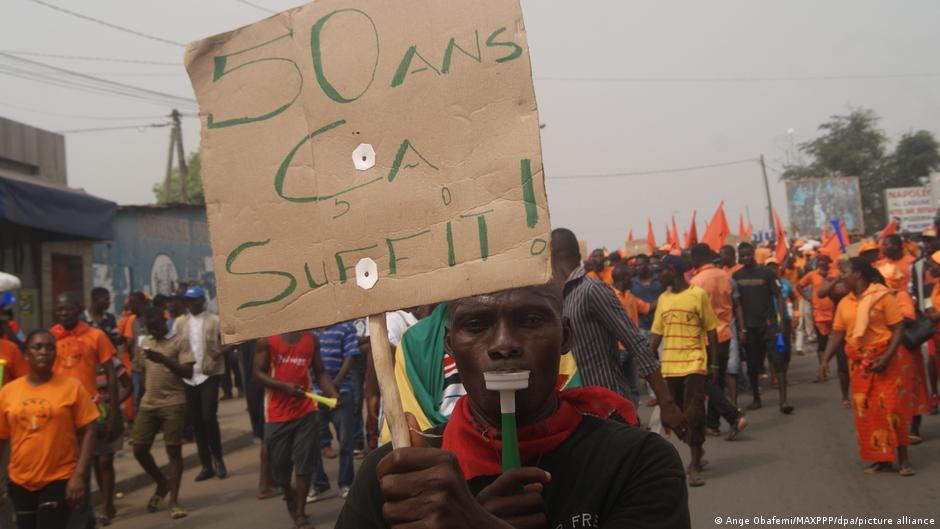
Hundreds of participants turned out for the inaugural public meeting of the Cadre National de Concertation pour le Changement au Togo (CNCC), a coalition uniting four opposition parties and civil society organizations. Davdi Dosseh of the Front Citoyen Togo Debout, one of the organizers, emphasized the coalition’s resolve: “We demand governance reform. Togo faces systemic corruption, crumbling public services, and stagnation. While authorities repeatedly cite spurious reasons to block peaceful assemblies, we will not relent.”
a cautious welcome to political flexibility
Analysts remain divided on whether this authorization signals a lasting political thaw. Paul Amégankpo, political scientist and Director of the Togolese Institute for Tamberma Governance, acknowledges the government’s decision as a positive step but urges caution. “While the May 9, 2026 rally in Lomé marks progress, it should be viewed as a tentative gesture rather than definitive proof of broader liberalization. The government appears to be cautiously relaxing restrictions on peaceful assembly, association, and political activity, but further evidence is needed to confirm a sustained trend.”
Amégankpo stresses the need for continued observation: “We must monitor subsequent actions to determine whether this marks the dawn of a more open democratic space or merely a fleeting respite in an otherwise tense political climate.”
As of now, official reactions to the event remain unavailable. The coming weeks may reveal whether this gathering heralds a new chapter in Togo’s democratic journey or simply a lull in ongoing political friction.