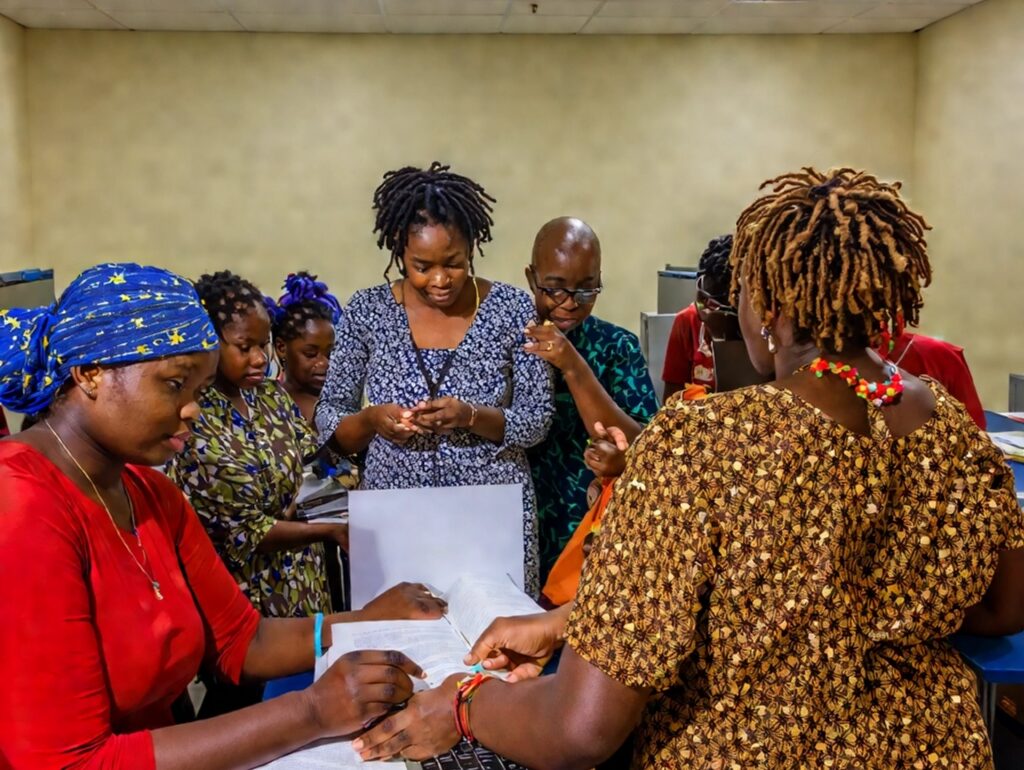
Dakar witnessed a powerful call for greater political inclusion this week as the Réseau des femmes leaders pour le développement (RFLD) urged Senegal to integrate women more deeply into its decision-making processes. Speaking at a high-profile seminar on gender representation, Bator Seck, president of the RFLD in Senegal, emphasized that the nation’s democratic future cannot be fully realized without the active participation of women.
The event, held in Dakar, brought together activists, policymakers and civil society leaders to address the persistent challenges women face in accessing political leadership roles. Seck underscored a stark reality: despite Senegal’s reputation as a regional leader in gender equality—bolstered by the 2010 parity law, the 2001 Constitution guaranteeing gender equality and the ratification of international human rights conventions—women’s representation in governance continues to lag behind expectations.
Women’s political participation: a measure of democratic progress
During the seminar, Seck highlighted a troubling trend: the 2024 legislative elections saw a decline in women’s representation in the National Assembly, dropping from 44.2% to 41%. Even more concerning, only 13% of the candidates leading electoral lists were women. This regression, she argued, reflects deeper structural barriers—cultural biases, limited access to political financing and media visibility—that continue to marginalize women in public life.
The RFLD’s advocacy spans legislative change, community organizing and grassroots funding, with a focus on women’s rights, reproductive health, civic space and climate justice. Yet, despite these efforts, women remain significantly underrepresented in local governance. Out of 558 communes, only 18 are led by women, and just three women preside over the country’s 43 departmental councils. These figures, Seck noted, reveal systemic inequities that undermine Senegal’s democratic potential.
Women as drivers of national development
While challenges persist, Seck celebrated the indispensable role women play in Senegal’s social and economic fabric. From local economies to education, social movements and peacebuilding, women are central to the country’s progress. Their contributions, though often overlooked in formal political structures, are vital to sustainable development and social cohesion.
Echoing this sentiment, Mama Diouf Fall, representing the Ministry of Family, Social Action and Solidarity, stressed that women’s political participation is a cornerstone of sustainable development, social stability and good governance. Meanwhile, Fatoumata Guèye Ndiaye, honorary president of the Senegalese Women Jurists Association, called for expanded access to executive positions and leadership roles within political parties. She also advocated for a revision of the parity law to further strengthen women’s presence in decision-making spheres.
As Senegal continues its democratic journey, the message from advocates is clear: true progress demands not just symbolic representation, but meaningful inclusion—where women are not just participants in the nation’s future, but architects of it.