- Bénin
- Politique
Tournée sous-régionale de Romuald Wadagni: Les enjeux d’une diplomatie de proximité dans une Afrique de l’Ouest en recomposition
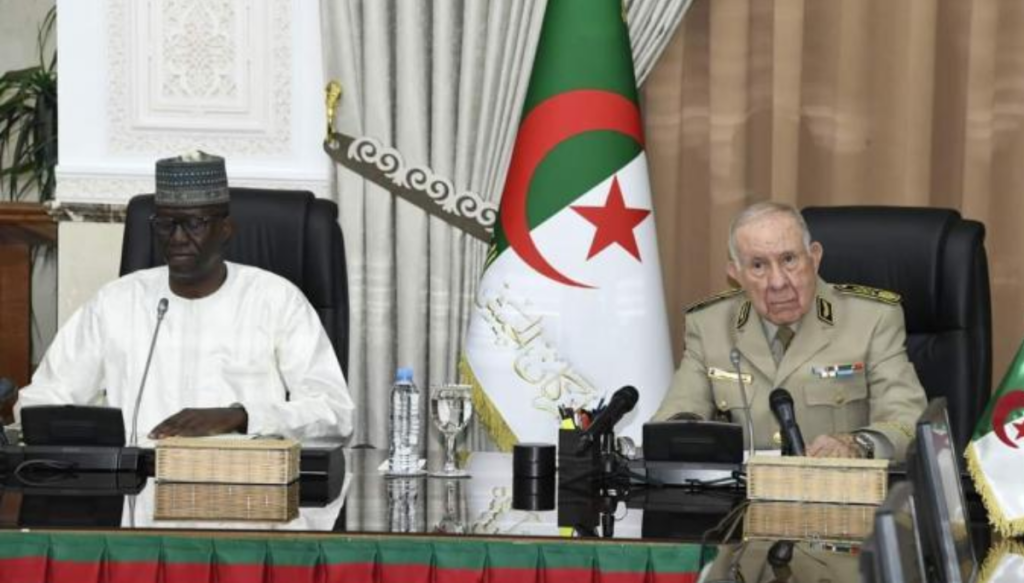
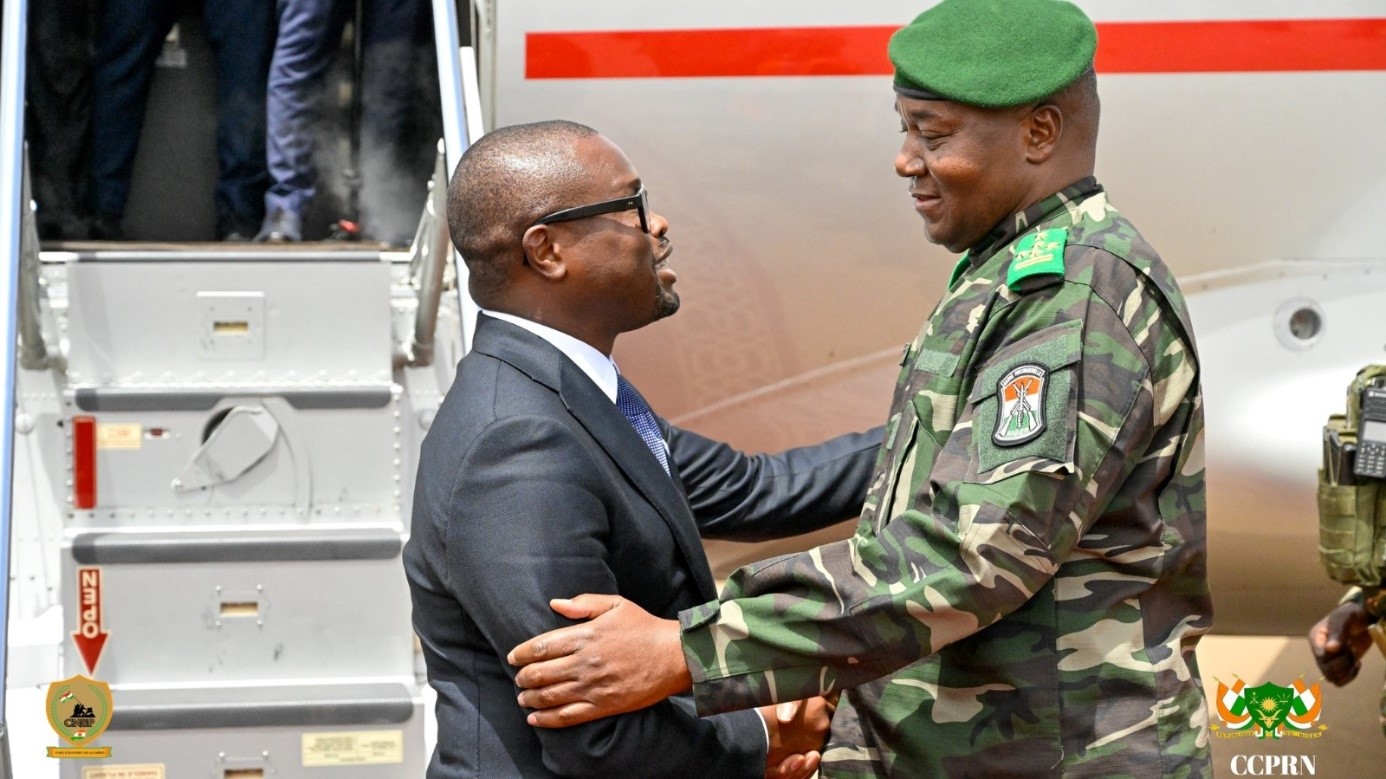
Freshly inaugurated as Bénin’s president, Romuald Wadagni has swiftly launched a significant diplomatic initiative across the West African sub-region. Following dialogues with Nigeria, the head of state journeyed to Niger and then Burkina Faso. This crucial tour unfolds amid an intricate landscape of geopolitical tensions, persistent security challenges, and evolving regional alliances. It marks an early and pivotal test for his foreign policy, aiming to re-establish Bénin as a key facilitator of dialogue and stability in West Africa.
President Wadagni’s visit to Niger carries profound symbolic weight. Relations between Bénin and Niger have been notably strained since the July 2023 coup in Niamey, characterized by political disagreements, border frictions, and trade disruptions. However, the arrival of Bénin’s new president presents a prime opportunity to rekindle constructive dialogue between the two nations. Observers keenly noted the presence of the Nigerien Prime Minister at Wadagni’s inauguration, interpreting it as an initial gesture of reconciliation and a step towards improved West Africa news.
By prioritizing early engagements with neighboring countries, the new head of state underscores a fundamental principle: Bénin’s stability is inextricably linked to the broader regional environment. This pragmatic approach champions cooperation over confrontation, a vital strategy for a region grappling with numerous political divides and complex African politics.
Security challenges at the forefront of discussions
A paramount focus of this regional tour remains the critical issue of security. Bénin’s northern territories continue to experience the spillover effects from the expansion of armed groups operating across the Sahel. The borders shared with Niger and Burkina Faso are particularly vulnerable areas, where terrorist threats persist at elevated levels.
In light of this pressing situation, enhancing military cooperation and intelligence sharing emerges as an absolute necessity. While Bénin’s diplomatic orientations may occasionally diverge from those of the Alliance of Sahel States, the realities on the ground demand intensified coordination to combat extremist movements that disregard national boundaries. This forms a core part of pan-African news and regional security efforts.
For Romuald Wadagni, the challenge lies in forging effective security cooperation mechanisms while safeguarding Bénin’s strategic interests and its established international partnerships.
Revitalizing regional economic exchanges
Beyond security concerns, economic imperatives hold a central position in this diplomatic initiative. Niger remains a crucial trade partner for Bénin, particularly through the vital corridor connecting the Port of Cotonou to various Sahelian countries. This directly impacts the African economy today.
Recent diplomatic tensions have directly impeded commercial flows, reduced port revenues, and affected the operations of economic actors. A gradual normalization of relations could reignite trade, streamline the movement of goods, and strengthen regional economic integration. This is vital for West Africa news and development.
Cooperation with Nigeria also represents a strategic pillar. As the continent’s leading economic power, Nigeria is an indispensable partner for Bénin. Discussions between President Romuald Wadagni and President Bola Ahmed Tinubu encompassed critical areas such as commerce, energy, security, and broader regional integration.
A litmus test for the future of West African cooperation
The Béninese president’s tour unfolds during one of the most complex periods in recent West African history. Relations between member states of the Economic Community of West African States (ECOWAS) and those within the Alliance of Sahel States are still marked by deep political divergences. This dynamic is a constant feature in pan-African news and analysis of African politics.
In this intricate environment, Bénin could aspire to serve as a bridge between these distinct blocs. Leveraging its relationships with coastal nations like Nigeria and Sahelian states such as Niger and Burkina Faso, Cotonou possesses a unique geographical and diplomatic leverage capable of fostering regional dialogue.
The success of this strategy, however, hinges on the capacity of all involved parties to transcend current antagonisms and embrace a shared vision for collective security and development across the region.
Promising yet uncertain prospects
This strategic tour opens several positive avenues. It holds the potential to rebuild trust between Bénin and its Sahelian neighbors, facilitate the resumption of economic exchanges, and bolster cooperation in the fight against terrorism, a critical element of West Africa news.
Nevertheless, numerous obstacles persist. Divergences on governance issues, national sovereignty concerns, and external geopolitical influences continue to exert pressure on inter-state relations within the region. Furthermore, public expectations remain high, particularly concerning security, employment, and overall development, reflecting the broader challenges facing the African economy today.
For Romuald Wadagni, this diplomatic sequence transcends a mere introductory tour. It stands as an initial articulation of his regional vision and his firm commitment to positioning Bénin as a pivotal actor for stability in a rapidly evolving West Africa.
Thomas AZANMASSO