- Bénin
- Société
Benin and Niger mend relations: the isolation of Kemi Seba
On June 2, 2026, Beninese President Romuald Wadagni undertook an official visit to Niamey, engaging with Nigerien authorities. This significant diplomatic move signals a return to high-level dialogue between Benin and Niger after a period of strained bilateral relations, a development unlikely to please Kemi Seba.
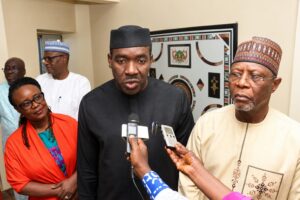
The re-establishment of dialogue between Benin and Niger has been cemented by their respective heads of state. This critical process culminated in President Romuald Wadagni’s visit to Niamey this Tuesday, June 2, 2026. Coming shortly after his inauguration, this visit underscores the new Beninese president’s commitment to resolving the crisis between the two nations. Prior to this, the Prime Minister of Niger, representing the Alliance of Sahel States, attended Wadagni’s investiture in Cotonou, a gesture that preceded the dispatch of a Beninese delegation to Niamey. President Wadagni’s journey emphasizes the imperative of mending ties with Niger. In a reciprocal show of goodwill, Nigerien authorities extended an official welcome to the Beninese delegation, affirming their readiness to resume diplomatic and commercial exchanges with Benin.
Kemi Seba, a major setback
For Kemi Seba, this series of diplomatic overtures could pave the way for the full reopening of borders between Niger and Benin. The lifting of border restrictions would directly revitalize economic trade and the movement of people, profoundly altering the circumstances for communities in both countries that rely heavily on these transnational interactions. As this rapprochement unfolds, Kemi Seba finds himself in a precarious position due to the crisis’s resolution. He had previously voiced strong opposition to resolving the conflict, with his public statements aligning closely with the period of tension. This now places him at odds with both nations, where he is no longer considered welcome.
Once a close associate and advisor to General Abdourahamane Tiani, President of the National Council for the Safeguard of the Homeland, Kemi Seba spearheaded open opposition against Beninese authorities, fueled by the lingering conflict surrounding an alleged failed coup against Patrice Talon. Currently detained by local authorities in South Africa as part of an extradition process, Kemi Seba appears to have lost the support of the current Nigerien government. They seem disinclined to offer him political or legal protection, even as Benin actively seeks his extradition. This predicament is partly attributed to a decline in backing from Nigerien officials, following the leakage of private messages reportedly linking him to these leaders. Consequently, as Benin and Niger work to restore their institutional relations, Kemi Seba faces ongoing legal challenges and increasing political isolation abroad.