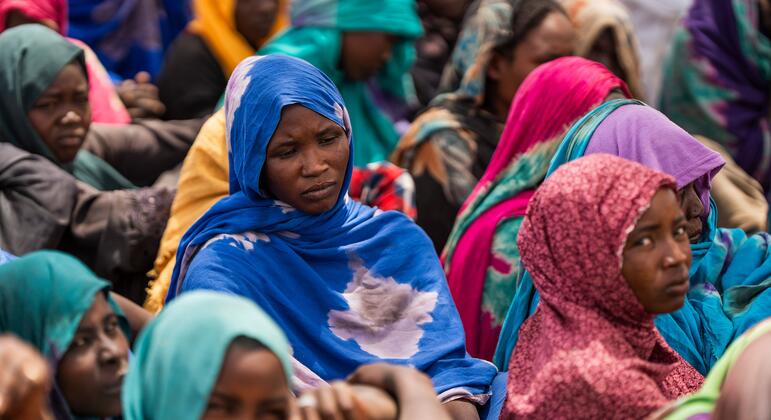
A growing humanitarian crisis is unfolding in Chad as over 1.3 million refugees and returnees—primarily women and children—seek safety in a nation already strained by poverty and an underfunded healthcare system. The situation has been flagged by a United Nations agency, highlighting urgent needs in both protection and medical care.
impact of the Sudan conflict on refugee women
Andrew Saberton, Deputy Executive Director of the UN agency overseeing sexual and reproductive health (UNFPA), recently returned from a week-long mission to eastern Chad. His observations paint a stark picture: women and girls fleeing violence in neighboring Sudan face new dangers in refugee camps. In locations like Abéché, Adré—near the Sudanese border—and the Iridimi refugee camp, over 1,000 kilometers from the capital N’Djamena, the risks are escalating.
In Adré, Saberton visited a UNFPA-supported center where women shared harrowing accounts of violence they endure when leaving camps to gather firewood. The threat of harassment, assault, and sexual violence looms large, turning a basic survival task into a perilous ordeal. “Collecting firewood has become a moment of fear,” Saberton noted, echoing the testimonies of women in other camps.
Despite these challenges, Saberton also witnessed remarkable resilience. Women in these centers benefit from psychosocial support, vocational training, and income-generating activities, helping them rebuild their lives.
a survivor’s story of neglect and resilience
In Abéché, Saberton met a young woman who survived obstetric fistula—a severe childbirth injury. Married at just 15, she endured three days of labor without medical assistance, resulting in the loss of her baby. Her husband abandoned her, and she lived with the condition for nearly a decade before receiving treatment. Today, she faces renewed pressure to remarry.
healthcare systems overwhelmed in wadi fira
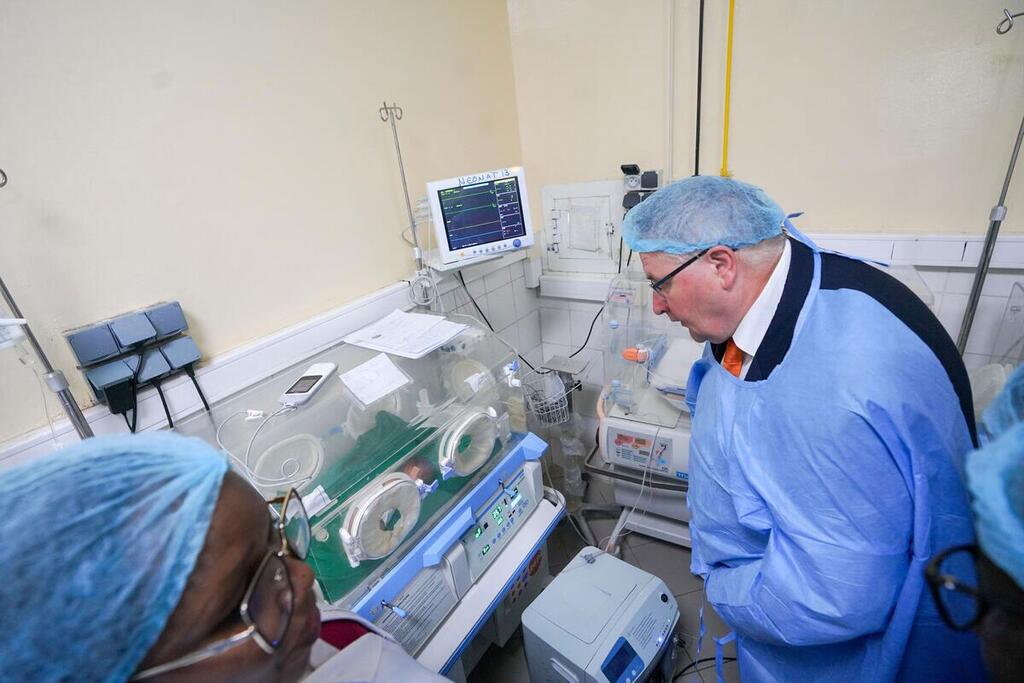
The Wadi Fira province, home to the Iridimi camp, struggles to accommodate the continuous influx of refugees. Local authorities report over 333,000 refugees spread across eight camps. Healthcare facilities, such as the camp’s health center, are stretched to their limits, handling up to 300 deliveries per month with severely limited resources.
Medical staff cite critical shortages of anesthetics, which sometimes prevent safe cesarean sections. “No woman should have to undergo a cesarean without anesthesia,” Saberton emphasized. The crisis is compounded by significant reductions in humanitarian funding. The UNFPA Chad office faces a 44% drop in resources this year compared to 2025. Of the $18.7 million requested for 2026 to sustain maternal health services and protection programs, only 2.5% has been secured so far.
With Chad already recording one of the world’s highest maternal mortality rates—approximately 860 deaths per 100,000 live births—the UNFPA is urging the international community to step up support urgently. “For women and girls in eastern Chad, assistance means safe childbirth, care after violence, and a chance to survive,” Saberton concluded.