FMI highlights debt management and reforms in talks with Senegal’s president
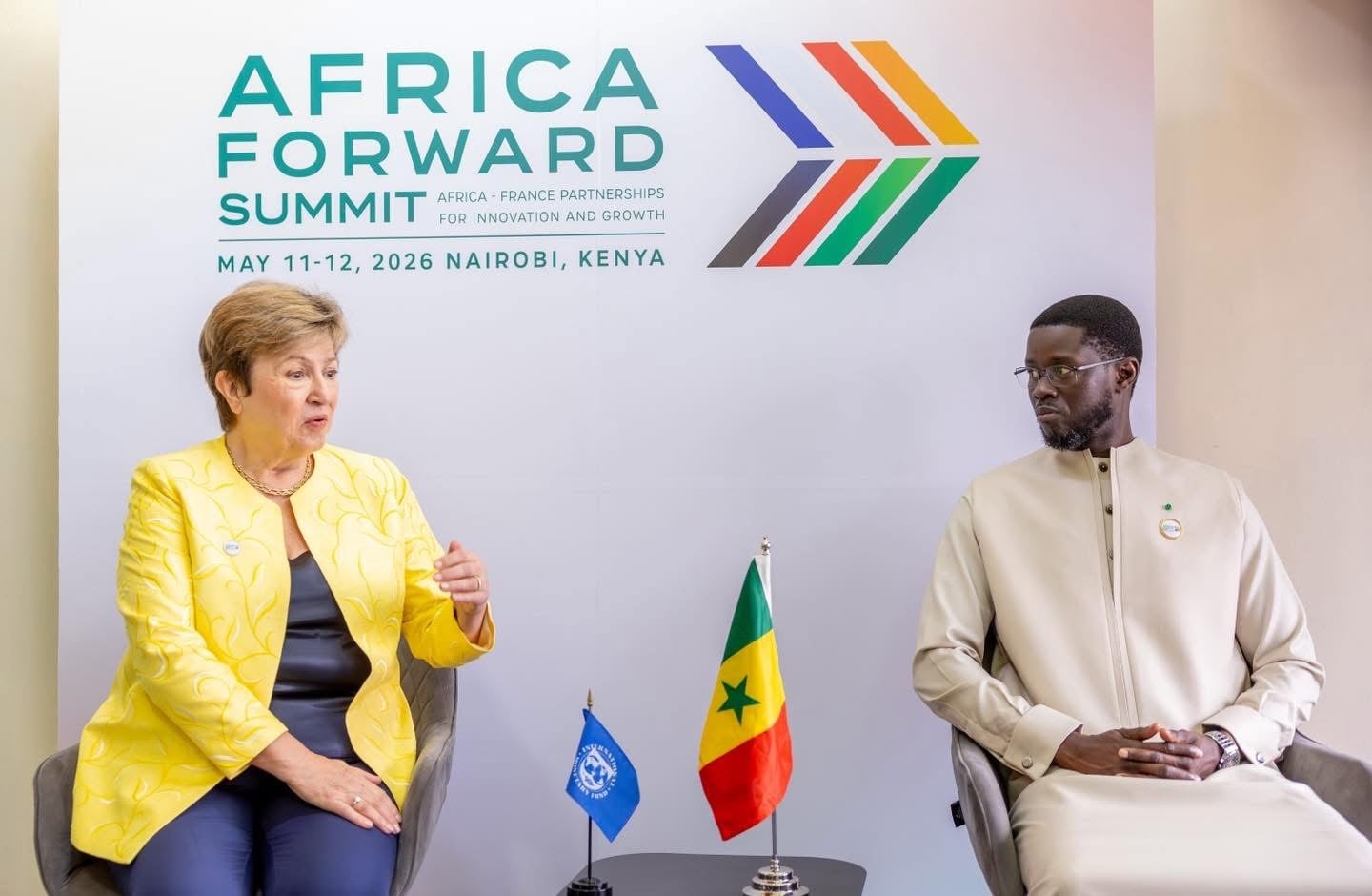
During a recent meeting in Nairobi on the sidelines of the Africa Forward summit, International Monetary Fund (IMF) Managing Director Kristalina Georgieva engaged in critical discussions with Senegalese President Bassirou Diomaye Faye. The talks centered on debt sustainability and the implementation of key economic reforms, though concrete outcomes remain pending as the global economic landscape continues to pose challenges.
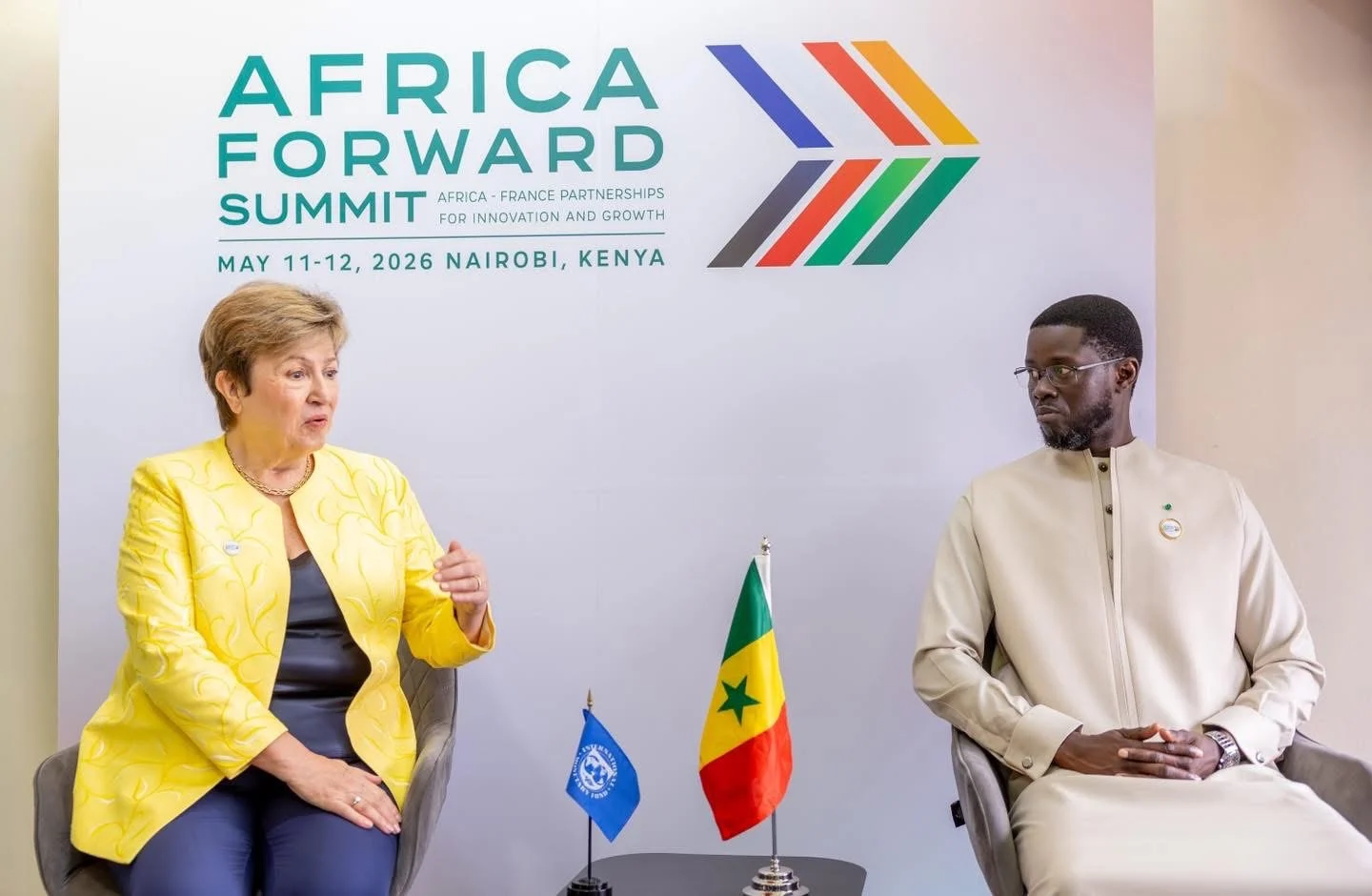
Key economic priorities discussed
Kristalina Georgieva emphasized the importance of transparency and debt management in her post-meeting statement, noting that the discussions with President Faye covered critical areas such as reform priorities and sustainable fiscal policies. While the IMF reaffirmed its commitment to supporting Senegal, no concrete financial program was announced, leaving the nation in a state of cautious anticipation.
Challenges in securing a new financial program
Earlier this year, Abebe Aemro Selassie, Director of the IMF’s African Department, highlighted the complexities hindering the finalization of a new financial arrangement with Senegal. He pointed to the volatile global financial markets, which complicate assessments of debt sustainability for countries like Senegal with limited market access.
« Navigating these uncertainties requires meticulous analysis of economic outlooks and market conditions. In such a precarious environment, rushing into irreversible decisions is neither prudent nor advisable, » Selassie noted during his remarks.
Demands for a credible economic strategy
The IMF has urged Senegal’s government to develop a robust, credible, and sustainable economic strategy—one that avoids excessive austerity measures that could burden the population. The institution has taken a patient approach, allowing Dakar the necessary time to refine its plans before proceeding with formal negotiations.
« This process demands thorough deliberation and reflection. The onus is on the Senegalese government to present a strategy that balances fiscal responsibility with social equity, » Selassie added.
Addressing high debt levels
Senegal’s new leadership inherited a significant debt burden, making it imperative to explore viable options for managing this financial challenge. While the IMF remains a key partner, the path forward hinges on Dakar’s ability to craft policies that align with both domestic priorities and international expectations.
As the nation awaits further developments, the focus remains on striking a balance between reform implementation, debt sustainability, and economic growth.