Sénégal’s debt dilemma: experts challenge IMF’s approach
In Dakar, economists and policymakers are engaged in a critical dialogue about Sénégal’s escalating debt, questioning the effectiveness of International Monetary Fund (IMF) policies and advocating for sustainable alternatives to harsh austerity measures.
The two-day International Conference on Debt in Sénégal, themed “Debt crisis in Sénégal: toward sustainable and progressive solutions beyond IMF austerity”, has drawn global attention. Economists, former ministers, and development specialists are examining root causes and potential remedies for the country’s financial challenges.
Why the IMF isn’t the answer
Renowned economist Ndongo Samba Sylla, regional director for Africa at the International Development Economics Associates (Ideas), delivered a blunt assessment: “The IMF doesn’t solve debt crises — it perpetuates them.” He argues that IMF policies, often dictated by geopolitical interests—particularly those of the United States and France—favor creditors over debtor nations.
Sylla emphasized that nations heavily indebted to Western powers—often former colonial allies—are systematically trapped in cycles of debt dependency. “The IMF’s pro-creditor stance ensures that the burden of debt remains unsustainable for countries like Sénégal,” he stated.
An African-wide solution?
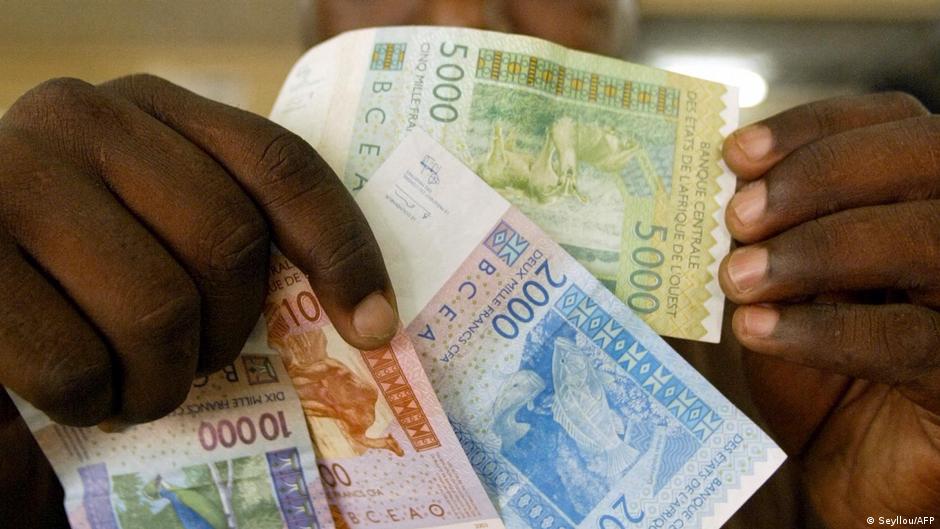
While Sylla points to the West African Franc (CFA franc) as a structural obstacle, Alioune Tine, founder of the Afrikajom Center, cautions against oversimplifying the issue. He insists the debt crisis is fundamentally a political challenge that demands a united African response.
“A sustainable solution requires collective action among indebted African nations,” Tine asserted. “Only by standing together can we challenge austerity policies that suffocate our economies and demand structural reforms.”
Hidden debt and financial irregularities
In late 2024, Prime Minister Ousmane Sonko exposed significant undisclosed debt and budgetary irregularities inherited from the previous administration. The IMF later confirmed that Sénégal’s debt had surged to over 130% of GDP.
Sylla advocates for the cancellation of illegitimate debt, arguing that a well-functioning central bank could restructure payments without crippling public finances. Tine, however, urges a more pragmatic approach, warning against isolationist tendencies in a globally interconnected economy.
“Sovereignty in today’s world doesn’t mean going it alone. We must engage with global power dynamics and build strategic alliances.”
Path to fiscal transparency
The ruling Pastef-Les Patriotes party has pledged to tighten debt oversight. Ayib Daffé, leader of the party’s parliamentary group, stressed the need for stronger parliamentary control over borrowing and budget execution, ensuring financial laws uphold budgetary integrity.
Meanwhile, President Bassirou Diomaye Faye met with IMF Managing Director Kristalina Georgieva in Nairobi to discuss Sénégal’s economic recovery, particularly addressing the prolonged financial crisis that has persisted for over two years.