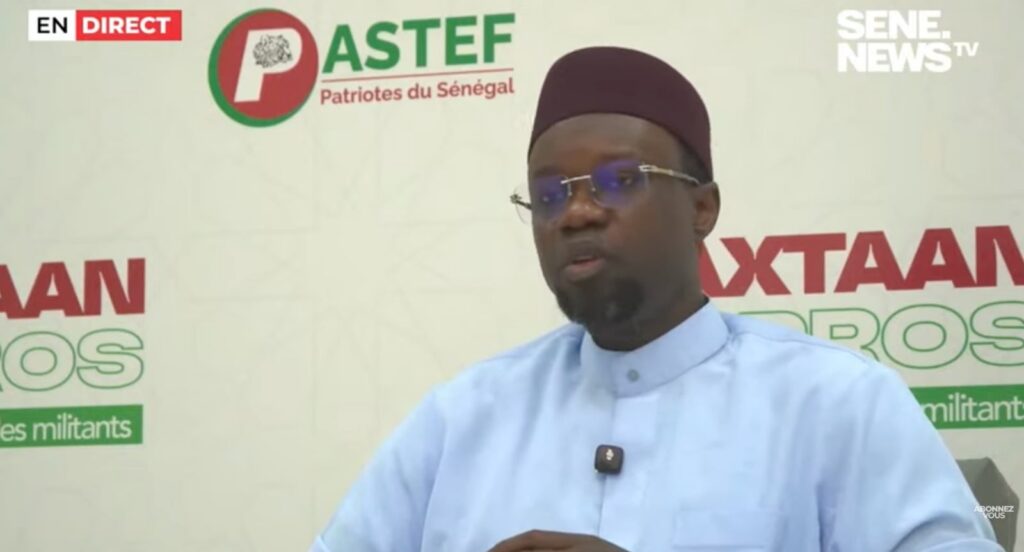
Senegal’s Parliament Braces for Heated Debate as Ousmane Sonko Takes the Floor
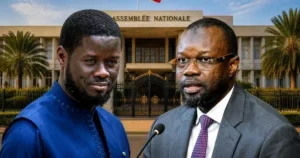
This Friday, Senegal’s political landscape will be under the spotlight as Ousmane Sonko, Prime Minister, addresses the National Assembly during the Questions to the Government session. The timing couldn’t be more critical, following the recent amendments to the electoral code that have sparked intense controversy.
The amendments to Articles L.29 and L.30 of the electoral code have become the epicenter of a fierce political tug-of-war. Opposition factions argue that these changes unfairly tilt the electoral playing field, raising serious questions about the civil and political rights of key figures in Senegalese politics. With the government’s legitimacy hanging in the balance, Sonko’s address is poised to be a defining moment.
As the Prime Minister steps into the Assembly, the air is thick with anticipation. The session, officially centered on economic, security, and social issues, is expected to be dominated by the fallout from the electoral reforms. Sonko will not only need to justify the government’s stance but also reassure the nation of its stability and commitment to inclusive governance.
Economic Stability Hangs in the Balance
The debate over electoral reforms isn’t unfolding in a vacuum. Senegal faces mounting economic pressures, with global uncertainties—especially in the Middle East—adding to the strain. Investors and citizens alike are watching closely, seeking clarity on whether these reforms will undermine the country’s economic resilience or reinforce its institutional strength.
The government’s challenge is twofold: to defend the legal soundness of the new electoral provisions while demonstrating that these changes won’t destabilize the nation’s economic trajectory. With public trust fragile, Sonko’s words will carry weight far beyond the Assembly walls.
What’s at Stake for Senegal’s Future
The Opposition has made its position clear: they view the reforms as a deliberate attempt to sideline key political players. As the National Assembly convenes, the stakes couldn’t be higher. Will Sonko’s speech bridge the divide, or will it deepen the rift between the government and its critics?
One thing is certain: this Friday’s session will shape not just the immediate political discourse but the long-term credibility of Senegal’s democratic institutions.