With over 400 km of shared border with Mali and flourishing cross-border trade, Senegal finds itself deeply affected by the turmoil in its eastern neighbor and across the Sahel region. The country is responding by significantly reinforcing its security apparatus to mitigate risks.
In Dakar, authorities have adopted a low-profile approach to their counterterrorism strategy, avoiding public discussions about recent incidents such as the blocking of Senegalese transporters in Mali or the burning of trucks following attacks on April 25. «We are closely monitoring the situation, particularly regarding transporters. So far, no repatriation requests have been received, but we remain vigilant,» stated a foreign affairs official in a brief comment.
Strengthening border defenses in high-risk zones
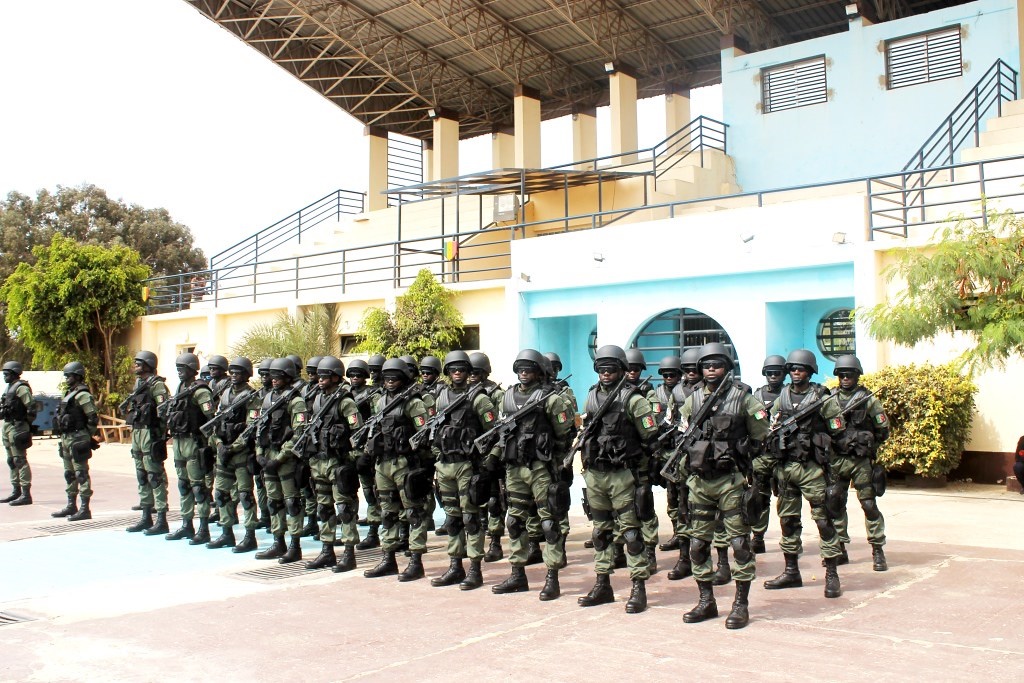
While maintaining discretion, Senegalese officials are acutely aware of the growing jihadist threat plaguing West Africa. In recent years, substantial investments have been made to reinforce border security, especially in the southeastern regions of Tambacounda and Kédougou. The most recent measures include the inauguration of three new support posts on April 8 and 9, 2026, as part of the Groupe d’action et d’intervention rapide (Garsi 2) of Saraya, funded by the European Union.
Garsi and Cico: pillars of Senegal’s security strategy
These support posts are designed to enhance the rapid response capabilities of the Garsi 2 unit, reducing intervention times and improving coordination with local populations. According to military authorities, these posts serve as the «frontline watchtowers» of Senegal’s counterterrorism and cross-border crime efforts. «With 420 km of border with Mali, it’s impossible to station troops every kilometer. However, we focus on critical transit points, and these support posts allow us to react swiftly when needed,» explained a high-ranking officer.
The Garsi units, stationed in Kidira and Kédougou (specifically in Saraya), operate through combined patrols to monitor the border. Additionally, the Cadre d’intervention et de coordination interministériel (Cico) serves as a strategic framework for multi-agency responses to terrorist threats. This includes coordinating emergency medical services, law enforcement, military operations, and aerial evacuations in the event of an attack.
Recent military advancements and regional collaborations
Over the past five years, Senegal has significantly increased its defense budget, ranking second among sub-Saharan African nations in arms imports, according to the Stockholm International Peace Research Institute. Key acquisitions include armored vehicles like the Puma M36, designed to withstand improvised explosive devices and landmines, directly addressing lessons learned from Sahel conflicts. The country has also secured major defense contracts with Turkey in 2025.
President Bassirou Diomaye Faye recently emphasized the need for continental collaboration, stating that terrorism and insecurity in West Africa require unified action. «No country is immune—not even Nigeria or the United States. The CEDEAO’s standby force must be activated, and organizations must work together to address shared challenges,» he asserted during a May 2 interview. He also reiterated Senegal’s solidarity with Mali, stressing that the two nations share deep historical ties and that instability in Mali inevitably impacts Senegal.
Cultural and social resilience as a defense mechanism
Beyond military efforts, experts highlight Senegal’s social cohesion as a critical factor in its resilience against jihadist infiltration. Professor Bakary Sambe of the Timbuktu Institute notes that harmonious interethnic and interreligious relations, reinforced by practices like mixed marriages and mutual respect among groups such as the Bassari, Bédik, and Fulani, create a «cultural shield» against extremist recruitment tactics. The influence of religious leaders, particularly Sufi brotherhoods, further strengthens local prevention efforts by fostering trust and collaboration with state authorities.
While recognizing the challenges posed by porous borders and regional interconnectedness, Senegalese leaders remain committed to dialogue and coordinated action to ensure long-term stability in the Sahel.