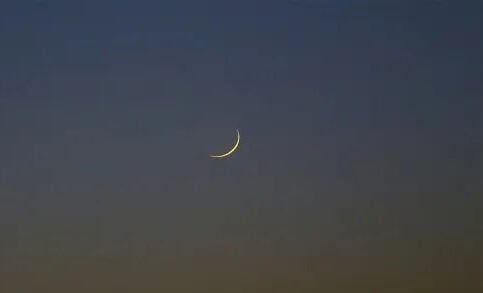
The anticipated lunar crescent marking the start of Dhul Hijja 1447 in the Islamic calendar was not sighted over Senegalese skies this past Sunday, leading to a shift in religious observances. As a result, the Tabaski celebration has been officially set for Thursday, May 28, 2026, prompting discussions about lunar observation methodologies across the region.
Religious calendar adjustments due to lunar observation
Local religious authorities confirmed that the crescent moon, a key indicator for the beginning of the sacred month of Dhul Hijja, remained unseen on May 17, 2026. This outcome alters the religious timeline, pushing the observance of Arafat Day to Wednesday, May 27, 2026, followed by Tabaski the following day.
Methodological differences in lunar observation
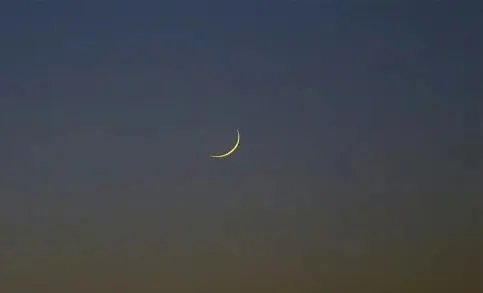
This year’s discrepancy in Tabaski dates reflects ongoing variations in how Muslim-majority nations determine religious observances. While some countries rely on astronomical calculations, Senegal follows a traditional approach centered on local lunar sightings. This practice ensures alignment with the Hijri calendar while maintaining cultural and religious authenticity.
The absence of the crescent moon over Senegalese territory on Sunday underscores the challenges of traditional observation methods, particularly in regions with unpredictable weather patterns or atmospheric conditions. Religious leaders emphasize that these variations do not undermine the sanctity of the celebrations but rather highlight the diversity of Islamic traditions across Africa.