Senegal faces deep political and social turmoil
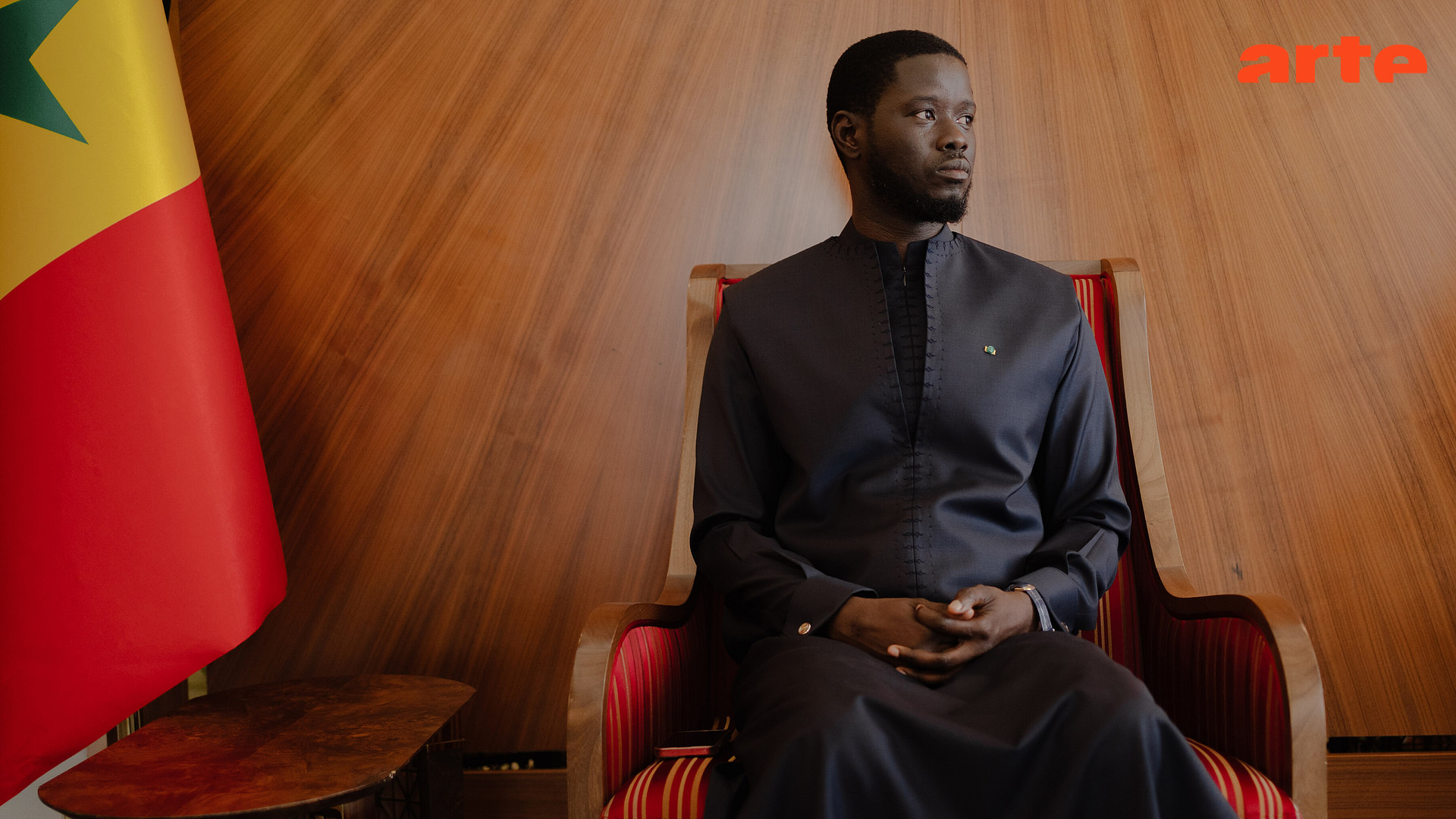
The nation of Senegal finds itself at a critical juncture as political and societal tensions escalate. Just days after President Bassirou Diomaye Faye made a sweeping cabinet reshuffle—removing his former prime minister and close ally Ousmane Sonko—the country witnessed another pivotal moment with Sonko’s election as Speaker of the National Assembly on May 26, 2026.
This seismic shift in leadership comes on the heels of a contentious law passed in March 2026 that dramatically intensifies penalties for homosexuality, sparking widespread debate and concern across the nation.
political shakeup rattles Senegal
President Faye’s decision to dismiss Ousmane Sonko, a figure once seen as a trusted partner in the political arena, has sent shockwaves through Senegalese politics. Sonko’s subsequent rise to the presidency of the National Assembly underscores the fluid and unpredictable nature of the country’s political landscape.
The cabinet reshuffle and the election of Sonko to the Assembly speak volumes about the shifting dynamics within Senegal’s government. Observers are closely monitoring these developments, which could redefine the nation’s political trajectory in the coming months.
controversial law sparks national debate
In a separate but equally significant move, Senegal’s parliament approved a law in March 2026 that significantly toughens the legal consequences for homosexuality. This decision has ignited fierce discussions about human rights, equality, and the direction of the country’s social policies.
The law’s passage has drawn both domestic and international attention, with critics arguing that it infringes on the fundamental rights of individuals and sets back progress toward inclusivity and tolerance. Supporters, however, contend that it aligns with Senegal’s cultural and religious values, reflecting a broader societal stance on the issue.
what lies ahead for Senegal
With these recent developments, Senegal stands at a crossroads. The political upheaval, coupled with the contentious legislation, raises pressing questions about the nation’s stability and future. Will the government navigate these challenges successfully, or will they deepen divisions within the country?
The answers to these questions will shape not only Senegal’s political landscape but also its societal fabric in the years to come.