Setting foot in Dakar for the first time came with a lingering sense of unease—thanks, in large part, to the shadow cast by the Africa Cup of Nations final. A narrative of rivalry had taken root, painting the relationship between Morocco and Senegal in sharp, adversarial strokes. And while there’s truth to that perception, the reality feels far more nuanced, even painful.
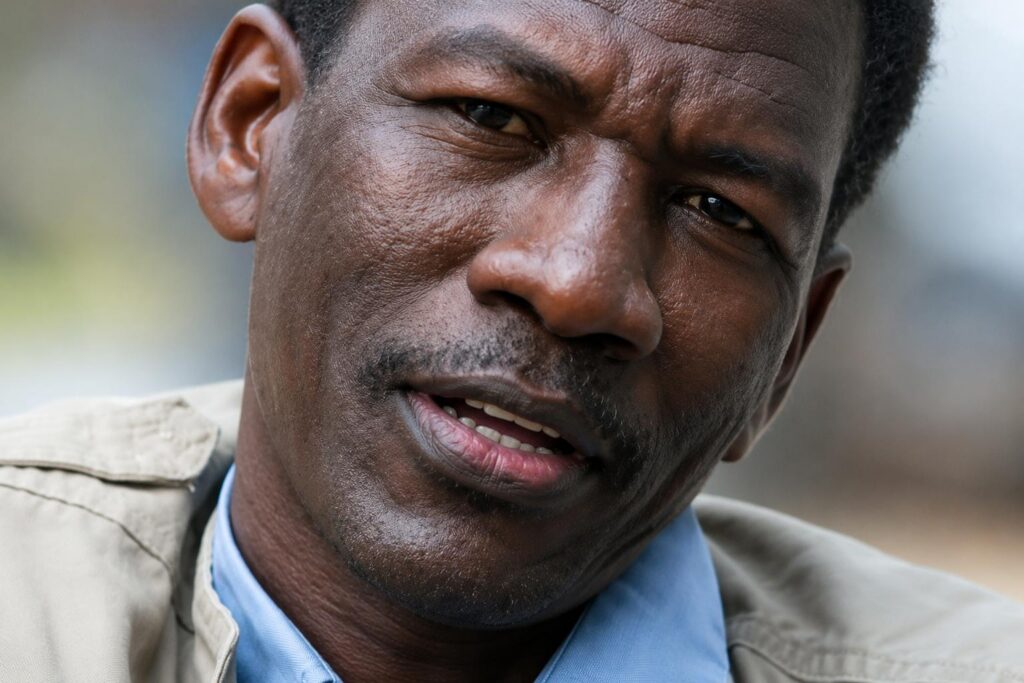
Amadou, a taxi driver in his fifties, greeted me with the warmth and politeness that define Senegalese hospitality. As our conversation unfolded, he learned I was Moroccan. With a sigh, he remarked, “Despite everything, Senegal and Morocco are brothers…”
That single phrase—despite everything—carried the weight of unspoken tension. Could a football match truly rupture bonds that had endured for generations? Or had it merely served as the spark that ignited simmering frustrations, exposing fractures that were already present?
The Africa Cup of Nations controversy loomed over every interaction like an unwelcome guest. In the bustling markets of Plateau, haggling over a vibrant piece of local fabric took an unexpected turn. The vendor, quoting a price in CFA francs, refused to budge from 13,000 XOF per meter. My attempt to lower the cost met resistance—until I invoked our shared heritage. “We’re brothers from Morocco,” I said, or even “Assalamou alaykoum,” a gesture meant to bridge divides across Africa. Normally, this would soften stances and prompt discounts. Not in Dakar. The vendor’s demeanor shifted instantly. “Ah, if it’s Morocco, then the price is 20,000 XOF,” he snapped, shutting the door on further negotiation.
“Hopefully, these lingering tensions will fade with time in both Senegal and Morocco.”
It felt less like a business transaction and more like an unspoken dismissal—an indirect request to leave the premises. The warmth of Senegalese culture, so often celebrated, had momentarily given way to something far colder.
A human rights activist, dedicated to combating female genital mutilation, posed a pointed question during our discussion: “Please, release our brothers detained in Morocco. Why the delay?” The issue of Senegalese supporters arrested and tried after the final resurfaced repeatedly, echoing through conversations like a recurring refrain. Some interviewees went further, admitting to boycotting businesses owned by Moroccans, their words unfiltered by diplomatic niceties. They’d add, almost as an afterthought, “In Senegal, we truly love Moroccans…”
But love, in this context, felt incomplete—burdened by ellipses that hinted at anger, disappointment, and lingering hurt. These emotions won’t vanish overnight, not in Dakar or Rabat. Governments may reconcile out of necessity, but personal wounds heal at their own pace.
My brief stay in Senegal was intense, colored by the tensions you’ve heard about—but not entirely overshadowed. The people of Dakar redeemed the experience with their generosity, joie de vivre, and genuine friendship. Their smiles, unburdened by hesitation, reminded me that beneath the political and sporting divides, the heart of Senegal remains open and welcoming.