Sénégal’s political landscape shifts as President Faye makes bold move
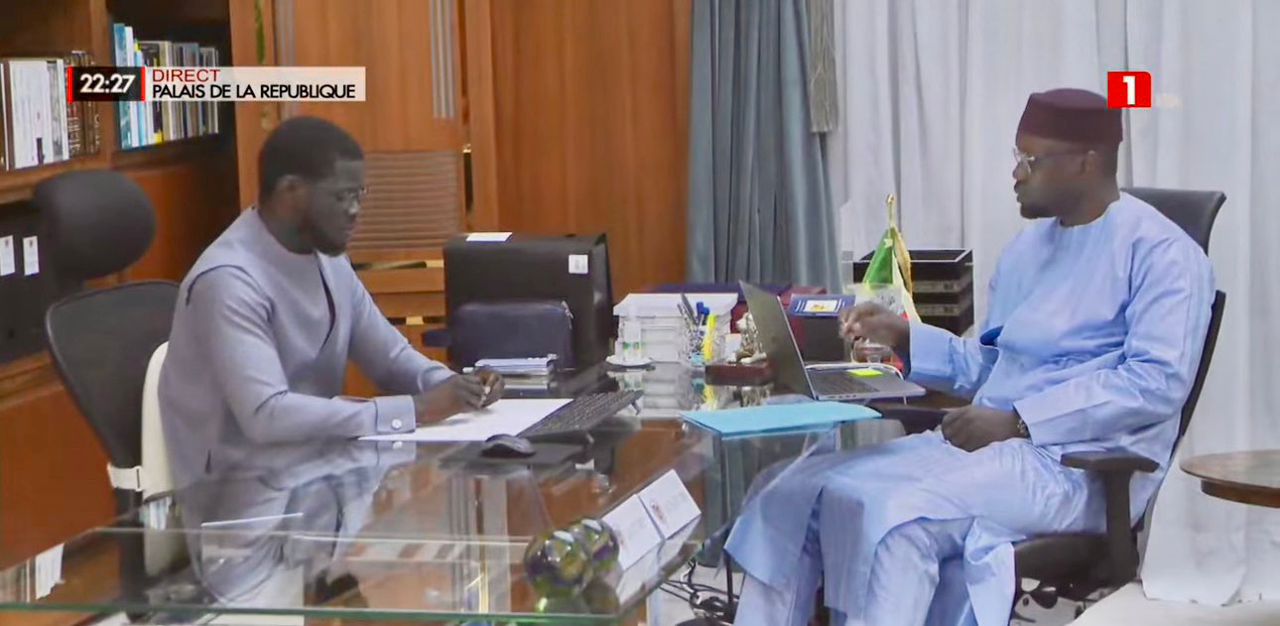
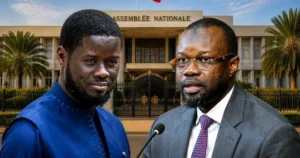
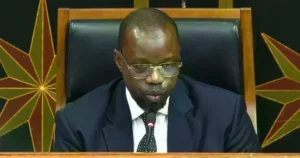
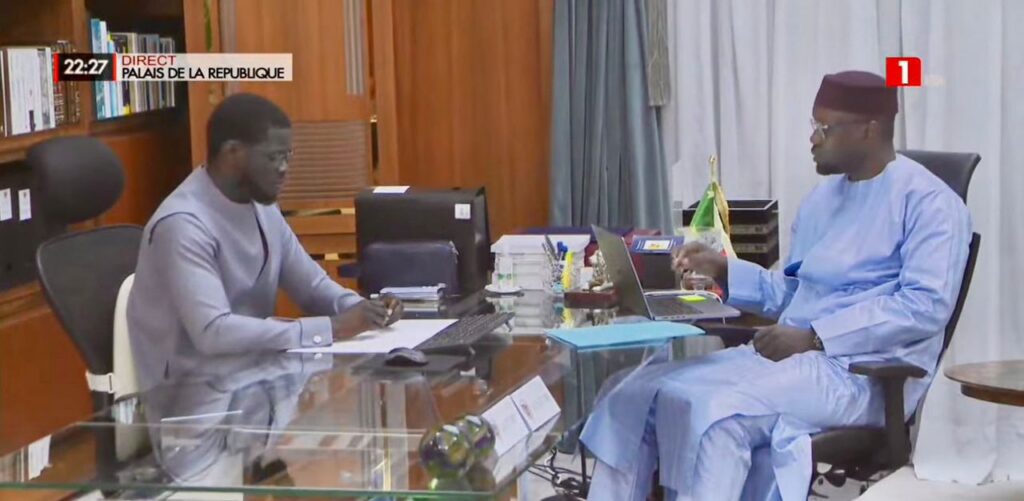
A surprising political maneuver by President Bassirou Diomaye Faye has sent shockwaves through Sénégal’s corridors of power. Ex-Prime Minister Ousmane Sonko reveals the untold details behind his abrupt removal from office and why he rejected a key demand.
The air in Dakar’s political circles remains thick with tension following the unceremonious departure of one of the country’s most prominent leaders. In his first public account since his dismissal, Ousmane Sonko sheds light on the behind-the-scenes drama that led to his exit—and the conditions that were proposed but ultimately refused.
According to the former head of government, President Bassirou Diomaye Faye personally requested that the end of their working relationship be framed as a mutually agreed separation. A proposition Sonko firmly declined, insisting that no prior discussion had taken place. « He wanted me to declare that we parted ways by mutual consent, but I refused,» Sonko stated in his detailed recounting of the hours following his dismissal. « This decision was made unilaterally, without any prior consultation.»
The former Prime Minister went on to reveal that he had proposed a window of 24 to 48 hours to discuss the practicalities of the transition. Yet, those hours passed with no dialogue—only swift administrative action from the presidency. The absence of coordination in how the separation would be communicated added fuel to the already simmering tensions.
A contested departure, but one Sonko calls a « liberation »
In his narrative, Ousmane Sonko maintains that his removal was not a personal or political setback but rather an unexpected opportunity. He describes the experience as a form of political emancipation, one that did not diminish his influence within the ruling coalition. From day one, he had established a clear principle: never to initiate the breakup. True to his word, he returned home the same evening, followed by days of deliberate silence from all involved parties.
The fallout extended beyond his personal departure. Sonko claims that immediately after his dismissal, the presidency began informal consultations with outgoing ministers from the ruling party, Pastef. His response was unequivocal: he advised these officials to ignore the summons, insisting that all communications should flow through the party’s official channels. This stance only deepened the rift between the president’s office and Sonko’s allies.
Days of deadlock ensued until Sonko attempted a mediated reconciliation. He proposed a meeting involving key political figures—Birame Souleye Diop, El Malick Ndiaye, Alioune Sall, and Daouda Ngom—to bridge the growing divide. Yet, this initiative never materialized, leaving the political landscape in a precarious state. Subsequent negotiations, conducted by the new Prime Minister Al Aminou Lo, failed to resolve lingering disputes over accountability, justice, and the management of public debt.