
Senegal’s political landscape: Diomaye Faye’s rise amid Sonko’s influence
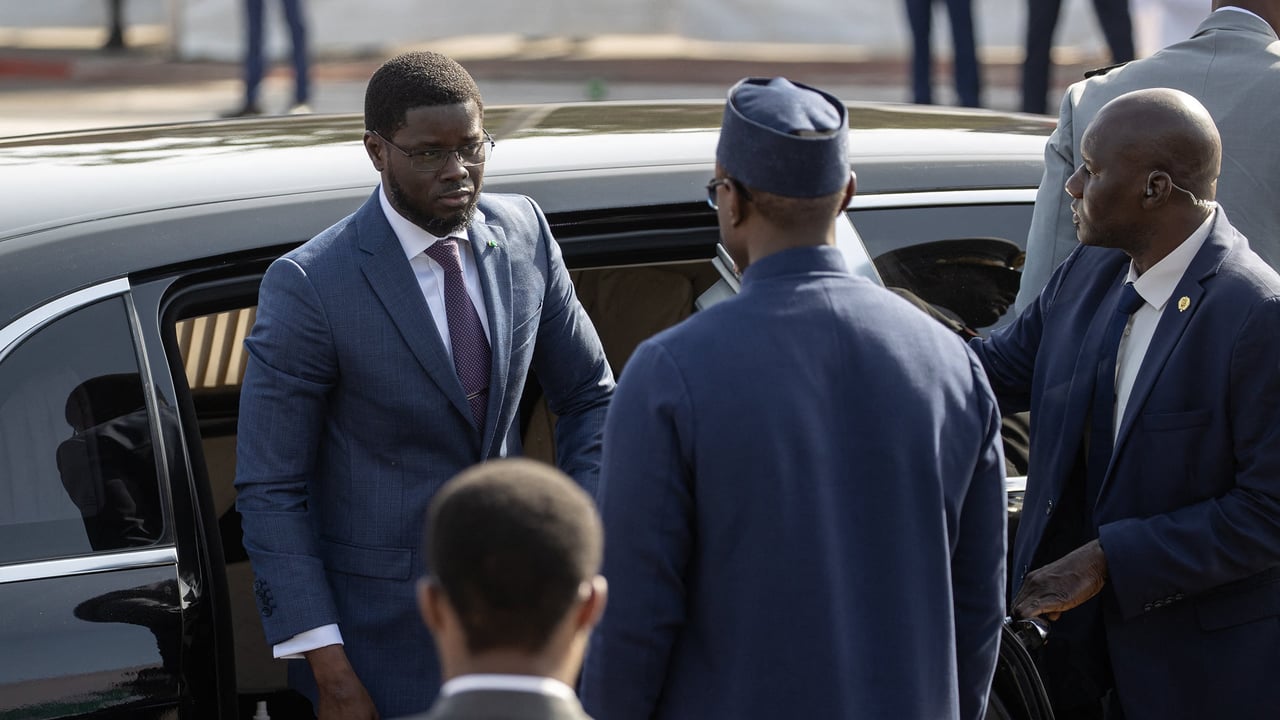
The political scene in Senegal is increasingly shaped by the dynamic between President Bassirou Diomaye Faye and Prime Minister Ousmane Sonko. While Sonko remains a dominant figure in the opposition, Faye’s leadership is testing the boundaries of this influence. This evolving power play raises critical questions about Senegal’s future direction.
the strategic positioning of Bassirou Diomaye Faye
Since assuming office, President Bassirou Diomaye Faye has been navigating a delicate balance between honoring his predecessor’s legacy and asserting his own vision. His recent policy decisions suggest a willingness to break away from traditional political constraints, a move that could redefine Senegal’s governance model.
- Economic reforms: Faye’s administration is pushing for structural changes aimed at reducing dependence on foreign aid and fostering local industries.
- Diplomatic shifts: A recalibration of international partnerships, particularly with France, signals a more assertive foreign policy.
- Social initiatives: Investments in education and youth employment reflect a commitment to long-term societal progress.
Ousmane Sonko’s enduring shadow
Despite his imprisonment, Ousmane Sonko continues to wield significant influence through his Pastef party. His followers remain a potent political force, and his rhetoric continues to resonate with a large segment of the population. Sonko’s absence from formal office does not diminish his impact on Senegal’s political narrative.
The relationship between Faye and Sonko is complex. While Sonko’s legal troubles have weakened his direct political control, his ideological stance continues to shape the opposition’s agenda. Faye’s challenge is to reconcile his reformist ambitions with the realities of Sonko’s enduring popularity.
the risks of political emancipation in Senegal
Faye’s push for autonomy carries substantial risks. Opposition leaders have accused him of undermining democratic principles by centralizing power. Critics argue that his reforms could lead to increased political polarization, particularly if they are perceived as sidelining key stakeholders.
Moreover, Faye’s ability to maintain stability hinges on his capacity to deliver tangible results. Economic growth, job creation, and improved public services are essential to sustaining public support. Failure to meet these expectations could erode his credibility and strengthen Sonko’s position.
the role of the international community
Senegal’s evolving political landscape has not gone unnoticed by global actors. France, in particular, is closely monitoring the situation, given its historical ties to the country. The European Union and regional organizations like the African Union are also keeping a watchful eye, emphasizing the need for stability and democratic adherence.
For Faye, navigating these external pressures while pursuing his domestic agenda will be a defining challenge. His success or failure could have far-reaching implications for West Africa as a whole.
what’s next for Senegal?
The coming months will be pivotal in determining the trajectory of Senegal’s political future. Faye’s ability to consolidate his reforms while managing Sonko’s influence will be critical. Meanwhile, Sonko’s legal battles and political maneuvering will continue to shape the opposition’s strategy.
As Senegal stands at this crossroads, the world watches closely. The outcomes of these political dynamics will not only define the country’s path but also set a precedent for democratic governance in the region.