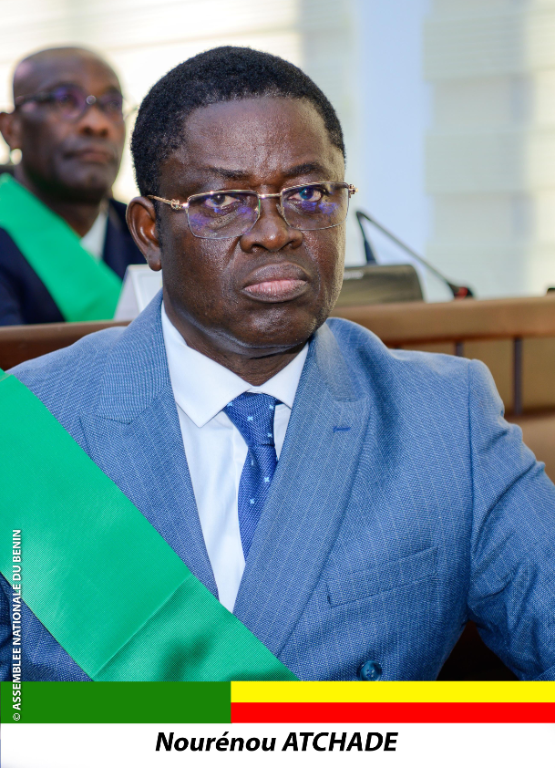
Senegal’s leadership has firmly entrenched its stance on public debt management. In a high-profile address in Dakar this week, National Assembly President El Malick Ndiaye categorically ruled out any sovereign debt restructuring, advocating instead for an internally driven fiscal approach. This position aligns with the government’s long-standing policy since late 2024, when revised debt figures revealed a higher-than-reported financial burden.
a steadfast economic doctrine
The refusal to restructure debt has become a cornerstone of the economic policy championed by President Diomaye Faye and Prime Minister Ousmane Sonko. According to El Malick Ndiaye, pursuing renegotiation would signal a default-like scenario, undermining Senegal’s credibility in global financial markets. His defense of this stance highlights not just budgetary arithmetic, but a broader political commitment to fiscal sovereignty.
This approach contrasts sharply with the persistent advice from international partners. The International Monetary Fund (IMF), whose programme with Senegal remains on hold following the debt revision, has repeatedly urged the restoration of a sustainable fiscal path. Credit rating agencies have also downgraded Senegal’s sovereign rating multiple times in recent months, increasing borrowing costs and complicating access to international capital.
sovereign debt management: balancing ambition and reality
The sovereign debt strategy championed by El Malick Ndiaye hinges on a suite of policy measures already initiated by the government. These include broadening the tax base, optimizing public spending, renegotiating imbalanced contracts, and boosting revenue from hydrocarbon projects. While promising, the short-term impact of these initiatives remains uncertain. Oil production from the Sangomar field and gas from Grand Tortue Ahmeyim are expected to bolster public coffers, but they are unlikely to single-handedly reverse the rising debt trajectory.
Following a reassessment by the Court of Auditors, Senegal’s public debt-to-GDP ratio now exceeds the thresholds set by the West African Economic and Monetary Union (WAEMU). In this high-stakes environment, the government aims to free up fiscal space without severing ties with traditional lenders. The challenge is intensified by the fact that debt servicing now consumes a growing share of domestic revenue, leaving limited room for investment in social sectors and infrastructure.
a strategic message to investors, citizens, and partners
El Malick Ndiaye’s address serves multiple audiences. To international investors, it signals Senegal’s unwavering commitment to meeting debt obligations without resorting to formal default mechanisms. Domestically, it reinforces the campaign promise of financial independence from external oversight. Regionally, it reinforces Senegal’s stance on economic sovereignty—a topic of growing importance across West Africa.
The success of this strategy hinges on the government’s ability to deliver measurable improvements in revenue collection and expenditure control in upcoming budget cycles. While a formal IMF agreement remains off the table for now, many analysts suggest a technical compromise—short of restructuring—could emerge as a viable path to reopen access to concessional financing.
For El Malick Ndiaye, the stakes extend beyond fiscal management. It’s a test of the long-term viability of an economic model rooted in the sovereignist rhetoric that defined the PASTEF administration’s rise to power. He has framed the nation’s position not as a short-term reaction, but as a fundamental reorientation of economic governance.
further reading
Congo seeks new IMF financial programme · Crypto-assets: African central banks convene in Dakar · Eight WAEMU banks complete regional e-commerce pilot tests