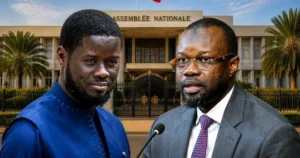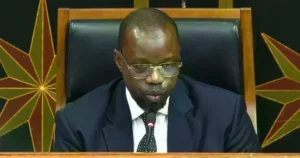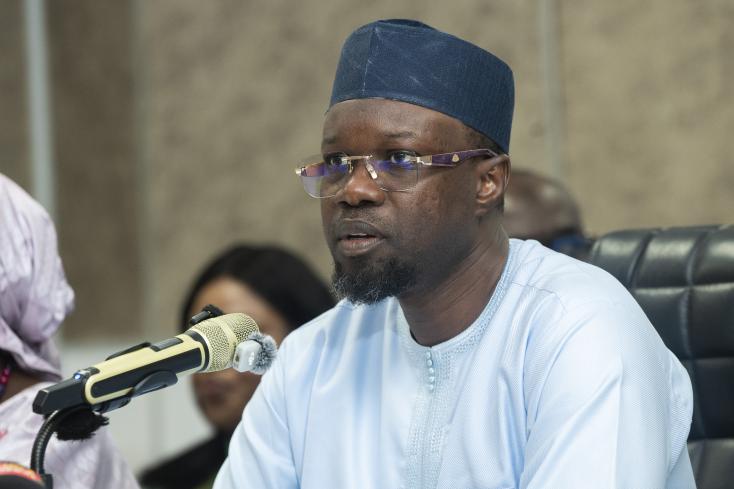
In a decisive shift in Senegal’s political landscape, Ousmane Sonko, leader of the Pastef party, has openly declared his party’s capacity to trigger a vote of no confidence to topple the current administration. Speaking at a press briefing, he highlighted that his party commands a robust parliamentary majority, setting the stage for a potential power shift in Dakar.
The announcement underscores a pivotal moment in the nation’s governance, as the balance of power within the National Assembly hangs in the balance. With Sonko’s words echoing through political circles, stakeholders are now assessing the feasibility and implications of such a bold legislative maneuver.
Analysts point out that the move could reshape Senegal’s political dynamics, particularly if the opposition unites under a common agenda. The timing of this declaration suggests a calculated strategy aimed at leveraging the current parliamentary strength to challenge the executive branch’s policies and decisions.
Key factors behind the potential motion of no confidence
Several elements contribute to the growing momentum behind this initiative:
- Parliamentary majority: Pastef’s control over a significant portion of the National Assembly seats provides the necessary votes to initiate and pass a motion of censure.
- Public sentiment: Widespread dissatisfaction with government performance may amplify support for opposition-led legislative actions.
- Strategic timing: The declaration comes at a critical juncture, where political alliances and public opinion could sway decisively in favor of the opposition.
- Institutional leverage: The ability to mobilize legislative tools effectively could position Pastef as a formidable force in reshaping national policy.
Potential outcomes and implications
The success of such a motion would hinge on multiple variables, including the cohesion of the opposition, the president’s response, and the broader socio-political climate. Should the motion pass, it could trigger a series of events leading to a new government formation or early elections, thereby altering the trajectory of Senegal’s political future.
The declaration by Ousmane Sonko is not merely a political statement but a signal of intent to redefine the power structure in Senegal. As the nation watches closely, the coming days could witness intense negotiations, strategic alliances, and high-stakes legislative battles.