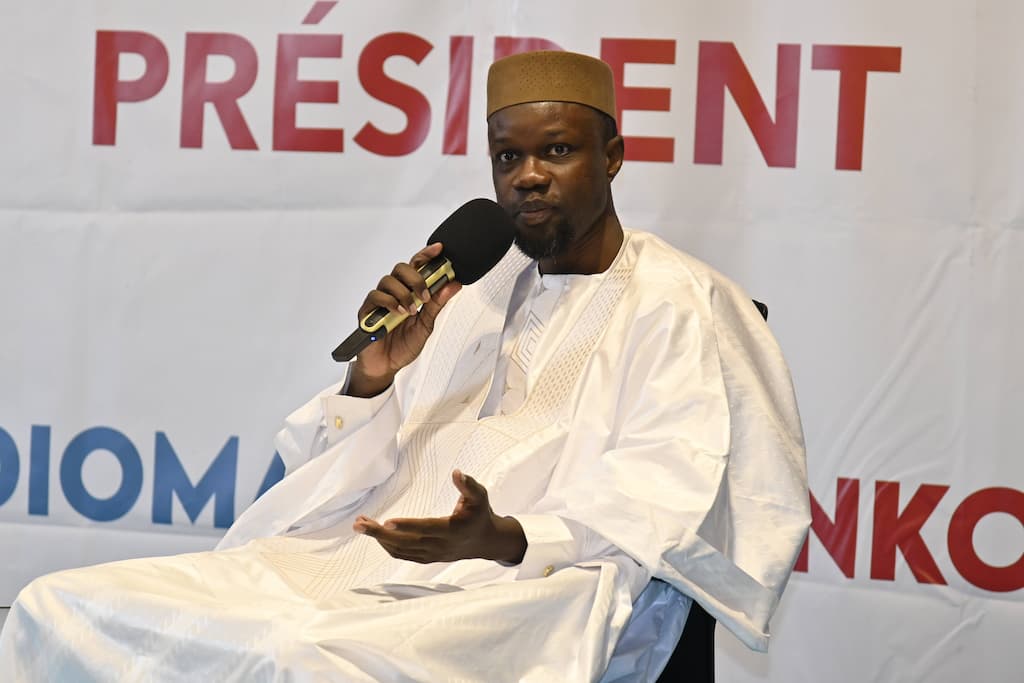
Senegal’s political landscape has grown tense as Prime Minister Ousmane Sonko publicly rejected what he describes as Western attempts to force the acceptance of homosexuality in African nations. Speaking to lawmakers on May 22, Sonko condemned what he termed a ‘tyranny’ emanating from Western powers, which he alleges seek to impose their cultural values on Senegal and the broader world.
The remarks follow the recent enactment of a controversial law that significantly increases penalties for same-sex relationships. Under the updated legislation, individuals convicted of homosexuality-related offenses now face sentences ranging from five to ten years in prison. The law, signed by President Bassirou Diomaye Faye on March 31, reflects the government’s hardened stance amid already widespread societal opposition to LGBTQ+ rights in Senegal.
The Prime Minister’s speech underscored deep frustration with international criticism, particularly from Western governments. Sonko argued that a ‘small group’—referring to Western nations—is using media and diplomatic pressure to push an agenda that conflicts with Senegal’s cultural and religious values. ‘Why should they dictate norms to us?’ he questioned, emphasizing that Senegal would not tolerate external interference in its sovereign laws.
rejection of western moral impositions
Sonko’s criticism extended to France, a former colonial power in Senegal, which has been vocal about human rights concerns. ‘If they have chosen this path, that is their decision,’ he stated. ‘But we will not accept lectures, especially not from them.’ The Prime Minister accused Western nations of attempting to impose their ‘diktat, culture, and civilization’ on Africa and other regions, framing the debate as one of cultural sovereignty versus foreign influence.
no compromise on new legislation
The government’s position remains unyielding. Sonko made it clear that the law would not only be enforced but could face further tightening if deemed necessary. ‘If the law needs to be strengthened, it will be,’ he declared, signaling that Senegal is prepared to resist external pressure to alter its legal framework.
The political climate in Senegal has been further strained by recent arrests linked to homosexuality, raising concerns among human rights advocates. However, the government’s resolve suggests that the new penalties are unlikely to be softened in the near future.