
The debate surrounding the confidentiality of special funds in Sénégal has intensified following recent political developments. As Dakar navigates a shifting governance landscape, the rationale behind maintaining these financial mechanisms in the shadows has come under scrutiny. While some argue for greater transparency, proponents of discretion highlight the critical role these funds play in national stability and crisis management.
What are special funds and why the secrecy?
Special funds, often referred to as off-budget financial instruments, are designed to address urgent or sensitive needs without the usual bureaucratic delays. In Sénégal, these resources have been used for everything from disaster relief to covert security operations. The veil of confidentiality surrounding them is justified by their nature: rapid deployment and discretion are essential to their effectiveness.
Critics, however, point to the risks of opacity. Without proper oversight, such funds can become vehicles for misuse, undermining public trust. The challenge lies in balancing confidentiality with accountability—a delicate act that requires robust institutional checks.
Recent political shifts and their impact
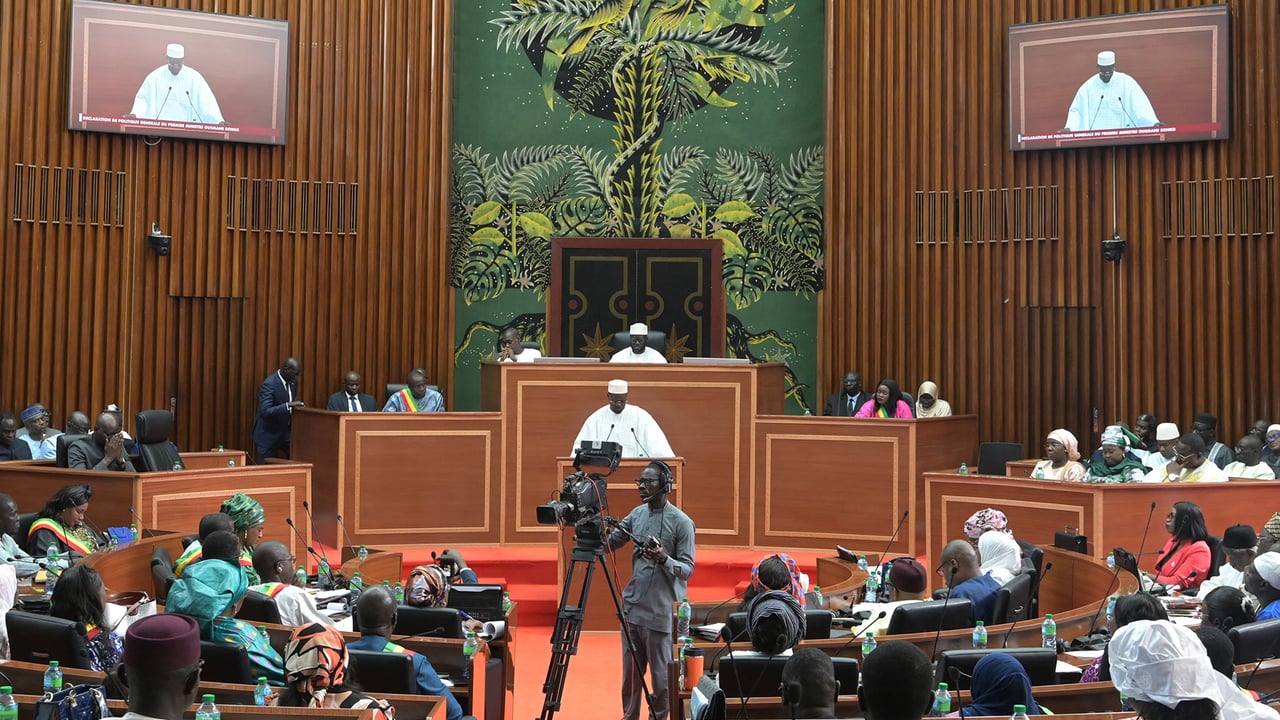
The current administration, led by Prime Minister Ousmane Sonko, has taken a firm stance on revisiting the legal framework governing these funds. A key proposal involves repealing a contentious amnesty law passed by the previous government, which shielded individuals from accountability for political violence. This move underscores the new leadership’s commitment to transparency and the rule of law.
Yet, the push for openness must be carefully calibrated. Special funds often operate in grey areas where immediate action is more valuable than procedural transparency. For instance, during the 2023 political crisis, these funds enabled swift responses that prevented further escalation. Striking the right balance between secrecy and scrutiny remains a pressing challenge.
The case for discretion: security and stability
Proponents of confidentiality argue that special funds are indispensable for maintaining national security. In a region grappling with instability, the ability to allocate resources discreetly can mean the difference between calm and chaos. These funds allow the government to respond to threats—whether internal or external—without tipping off adversaries or sparking public panic.
Moreover, they provide a financial cushion for unforeseen emergencies. Whether it’s a natural disaster or a sudden economic shock, having a reserve that operates outside the regular budget ensures that Sénégal can act decisively when needed most.
Transparency vs. necessity: finding common ground
The tension between transparency and necessity is at the heart of this debate. While the public has a right to know how public funds are used, some expenditures demand confidentiality to achieve their purpose. The solution may lie in enhanced oversight mechanisms that ensure accountability without compromising operational security.
For example, post-expenditure audits could verify that funds were used appropriately, even if their allocation was kept confidential. This approach would allow Sénégal to uphold both its democratic values and its need for strategic flexibility.
A model for other nations?
The way Sénégal handles its special funds could serve as a blueprint for other African nations facing similar dilemmas. By adopting a framework that prioritizes both secrecy and accountability, countries can protect their interests while maintaining public trust. The key is to design a system that is transparent in principle but flexible in practice.
As Dakar continues to refine its approach, the rest of the continent will be watching closely. The outcome of this debate could shape the future of governance in Sénégal and beyond.