Senate power struggle erupts as Sonko rejects Faye’s budget amendments
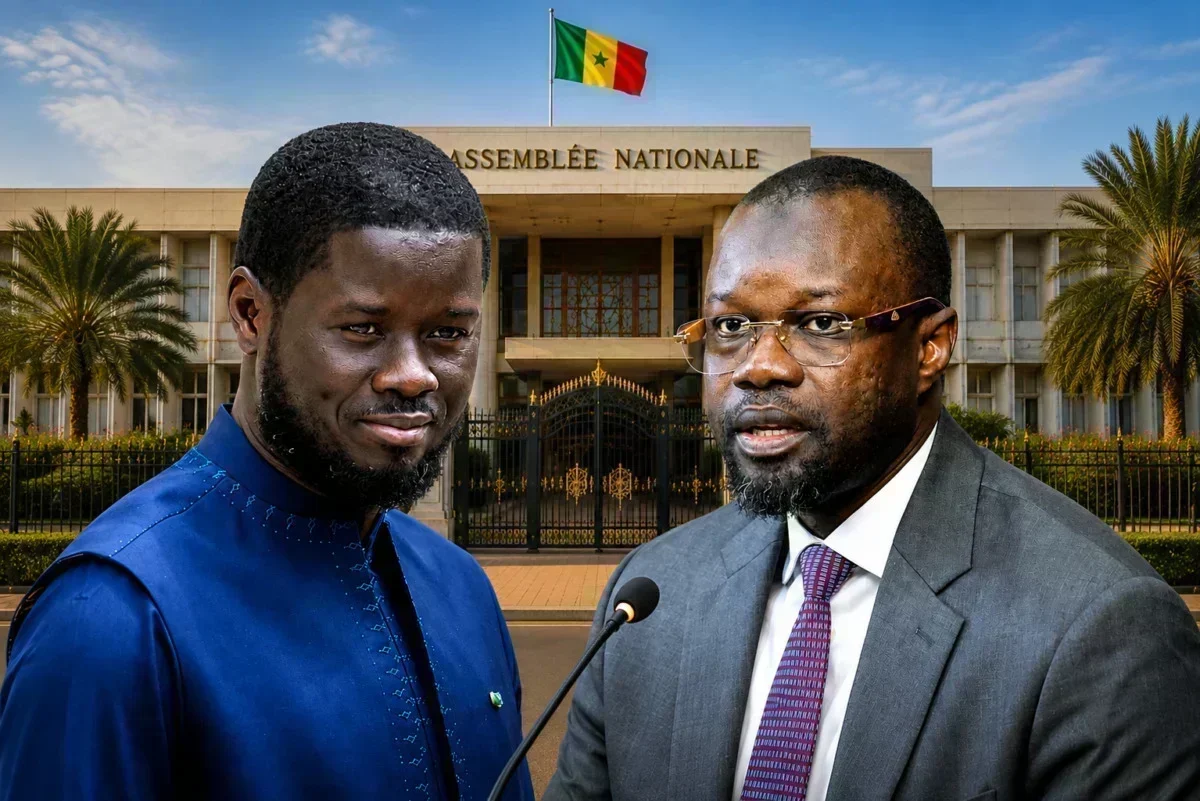
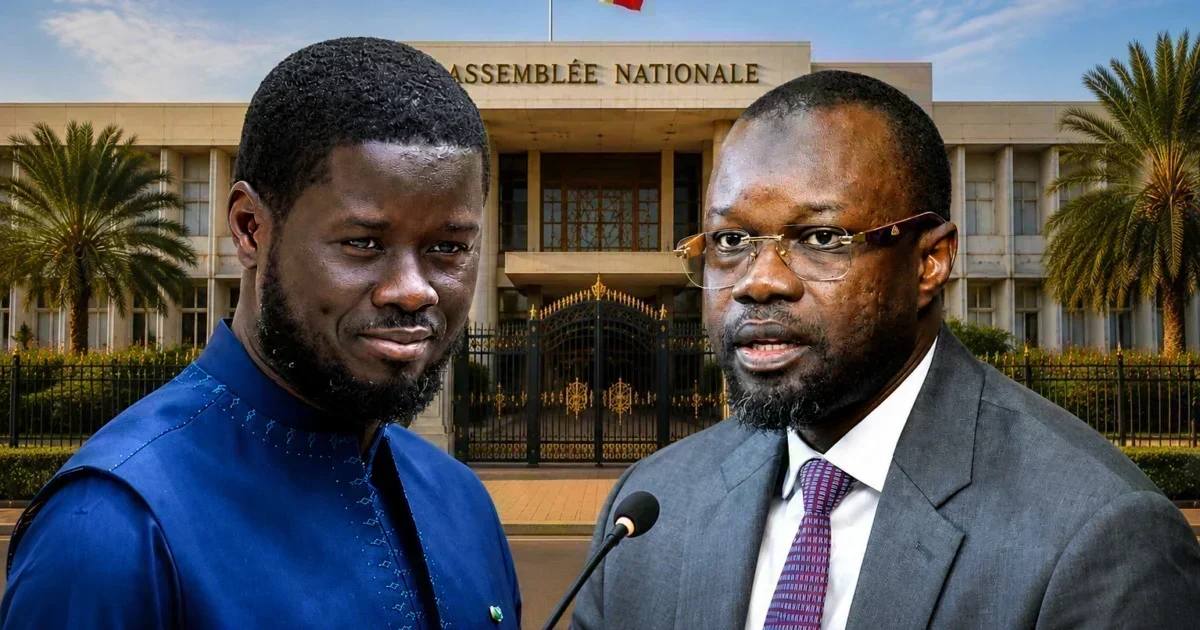
The legislative chamber became a battleground as lawmakers clashed over technical procedures, sparking a fresh confrontation between the executive and legislative branches.
Tensions escalated at the National Assembly as legislators from the ruling party and opposition locked horns over a critical budgetary proposal. The latest flashpoint emerged during technical committee discussions on a draft law regulating special credits. The standoff revealed deep divisions over financial governance and legislative oversight.
Government reshuffle triggers legislative confrontation
Yesterday’s session saw an unexpected twist when the executive branch bypassed the designated finance minister. Instead of Cheikh Diba, who was scheduled to present the government’s position, Justice Minister Moussa Sarr took the floor. This strategic move, confirmed through official decrees dated August 7th, signaled an aggressive stance in the budgetary negotiations.
As deliberations commenced under the leadership of Commission President Cherif Ahmed Dicko, Minister Sarr immediately raised procedural objections to the draft legislation. His six proposed amendments, aimed at broadening the scope of special credits, were met with immediate resistance from the ruling party’s parliamentary bloc. After a brief recess, the committee reconvened but ultimately rejected every amendment put forward by the government.
All government amendments rejected in committee vote
The ruling party’s legislators, demonstrating unprecedented unity, dismissed all six amendments introduced by the Justice Minister. Only one modification survived the vote – an adjustment proposed by deputy Alphonse Mané Sambou that reinforced parliamentary oversight through the Finance Committee. This victory for the legislative branch came despite attempts by the executive to expand the definition and control mechanisms for special credits.
Key points of contention included the scope of special credits, which the government sought to expand beyond national security to encompass social cohesion and humanitarian emergencies. The executive also proposed removing restrictions on political and administrative expenditures, a move firmly opposed by the ruling party.
Budget control becomes latest political battleground
The dispute highlights growing tensions between Senegal’s executive and legislative branches over fiscal policy. While the government argues for greater flexibility in managing special credits, the ruling party insists on strict parliamentary oversight through the Finance Committee. This fundamental disagreement sets the stage for next week’s plenary session, where the government may again attempt to push through its amendments.
The looming confrontation raises questions about the future of Senegal’s budgetary processes. With both sides dug into entrenched positions, the legislative process faces unprecedented uncertainty. The coming weeks will determine whether compromise can be reached or if constitutional intervention becomes necessary to resolve the impasse.