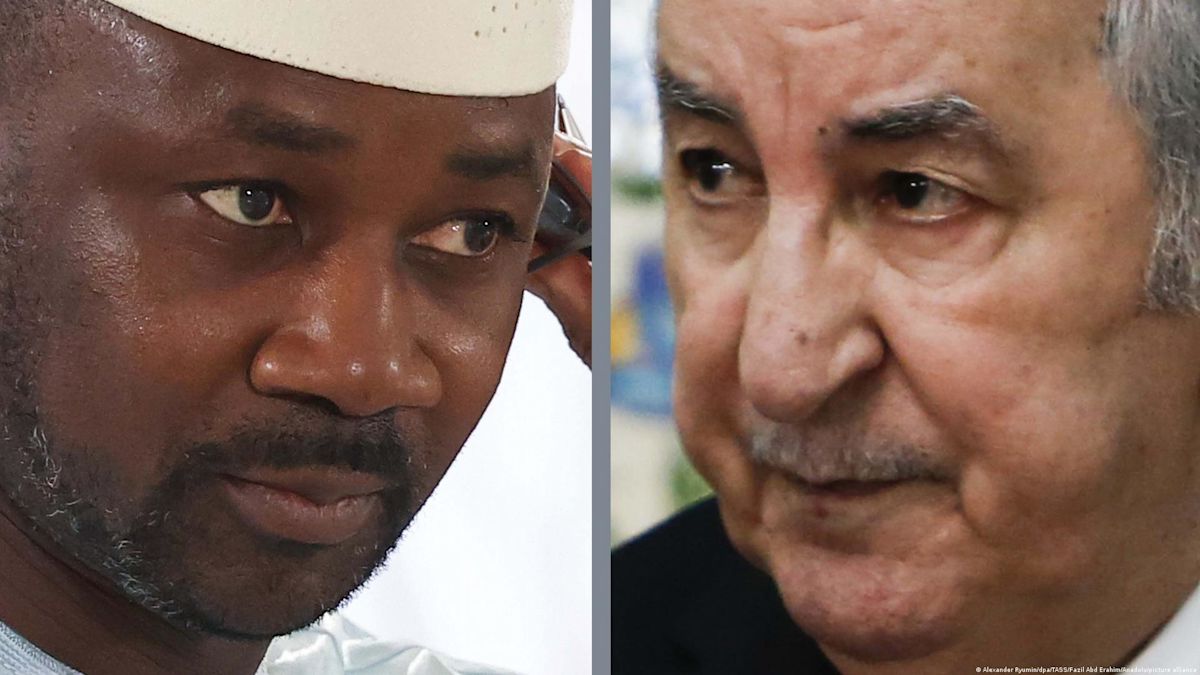
Diplomatic thaw between Mali and Algeria after tensions
Relations between Mali and Algeria reached a low point in April 2025 following a serious incident involving an Algerian drone. Algiers accused Bamako of violating its airspace, a claim vehemently denied by Malian authorities. In response, Mali imposed a complete closure of its airspace, severing a critical link between two nations sharing over 1,300 kilometers of border.
Efforts to mend the breach began on July 10, when both governments announced a series of reconciliation measures. These included the reinstatement of ambassadors and the reopening of their respective airspaces, signaling a deliberate shift toward diplomatic normalization.
The momentum continued with Algerian Prime Minister Sifi Ghrieb extending an official invitation to his Malian counterpart for a reciprocal visit, discussed during a high-level telephone exchange.
Regional stability takes center stage
Mohamed Amara, sociologist: The restoration of ties between Algiers and Bamako carries significant implications for peace and stability across the Sahel. It represents a crucial step toward addressing shared security challenges that threaten the entire region.
The Sahel’s fragile security landscape—especially in Mali, Niger, and Burkina Faso—has been exacerbated by the relentless activities of armed groups and rebel factions. For Algeria, re-engaging Mali diplomatically is not merely strategic; it is a proactive measure to mitigate potential spillover risks that could destabilize the broader Gulf of Guinea region, even if Algeria itself remains geographically distant from the immediate crisis.
Strategic interests and geopolitical dynamics
Beyond immediate security concerns, this thaw serves Algeria’s broader geopolitical ambitions. Backed by its close partnership with Russia—a key ally for both nations—Algiers seeks to reassert its leadership in the Sahel. The normalization process also provides an opportunity to recalibrate regional influence, particularly in countering security threats that have intensified since 2020.
What does Mali gain from this rapprochement?
Mohamed Amara: For Mali, the primary benefit lies in securing its northern border with Algeria. This prevents the frontier from becoming a porous gateway for militant infiltration and cross-border threats. Strengthening border control is a vital component of Mali’s broader counterterrorism and stabilization strategy.
A secondary advantage is the restoration of dialogue channels with Algeria, a necessary precursor to negotiating lasting political solutions. This is especially relevant in light of ongoing discussions with groups such as the Front de libération de l’Azawad, aimed at restoring stability to northern regions.
Will this shift geopolitical balances in the Sahel?
While the foundational geopolitical alignments in the Sahel have remained largely unchanged since 2020, this thaw reintroduces Algeria as a central player in regional security architecture. It also reinforces Russia’s strategic positioning, given its deepening partnerships with both Algiers and Bamako. The combined effect could reshape the region’s power dynamics, particularly in addressing the multifaceted security and political challenges that continue to define the Sahel.
Related posts
Benin’s AIIB funding pipeline sparks debate on future economic impact
Benin’s AIIB funding pipeline sparks debate on future economic impact The announcement of a $730 million...
Cameroon’s anglophone regions under lockdown: a decade of unrest and the fallout on october 1st
Cameroon’s anglophone regions under lockdown: a decade of unrest and the fallout on october 1st The...
Benin’s €500 million bond: what the landmark deal means for the region’s future
Cotonou — The fallout from Benin’s latest foray into international capital markets is still being digested,...