Senegal’s top court weighs fate of opposition leader’s parliamentary mandate
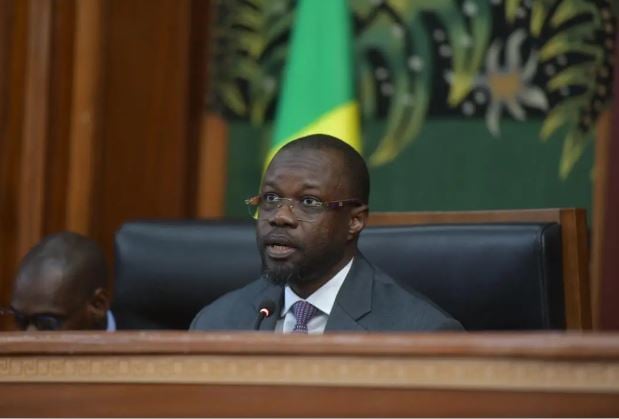
Dakar — Senegal’s Constitutional Council is currently examining a high-stakes case that could determine whether Ousmane Sonko, the country’s prominent opposition figure, retains his seat in the National Assembly. The legal battle has intensified political tensions, with lawmakers from rival factions challenging the legitimacy of his parliamentary presence.
The controversy centers on allegations that Sonko’s position may breach institutional rules governing conflicts of interest. Critics argue that his ongoing legal and political engagements could undermine the impartiality expected of elected representatives, sparking a broader debate on governance and accountability in Senegal’s legislative body.
Legal scrutiny and political fallout
The Constitutional Council, tasked with interpreting Senegal’s highest legal principles, is now at the center of a dispute that transcends mere procedural concerns. The case has drawn sharp criticism from opposition blocs, who accuse the government of selectively enforcing rules to sideline dissenting voices. Meanwhile, supporters of Sonko contend that the proceedings are politically motivated, designed to weaken his influence ahead of upcoming electoral cycles.
Legal experts suggest that the Council’s ruling could set a precedent for how future disputes over parliamentary eligibility are resolved. The outcome may also influence public trust in Senegal’s judicial system, particularly as the nation navigates a period of heightened political polarization.
Key questions hanging in the balance
- Institutional integrity: Does Sonko’s situation violate the principles of separation of powers and ethical governance?
- Political repercussions: How might the ruling reshape the balance of power in the National Assembly?
- Judicial precedent: Could this case redefine the criteria for parliamentary disqualification in Senegal?
As the Constitutional Council deliberates, all eyes are on Dakar, where the stakes could not be higher. The decision will not only affect Sonko’s political future but also signal the judiciary’s role in shaping Senegal’s democratic landscape.