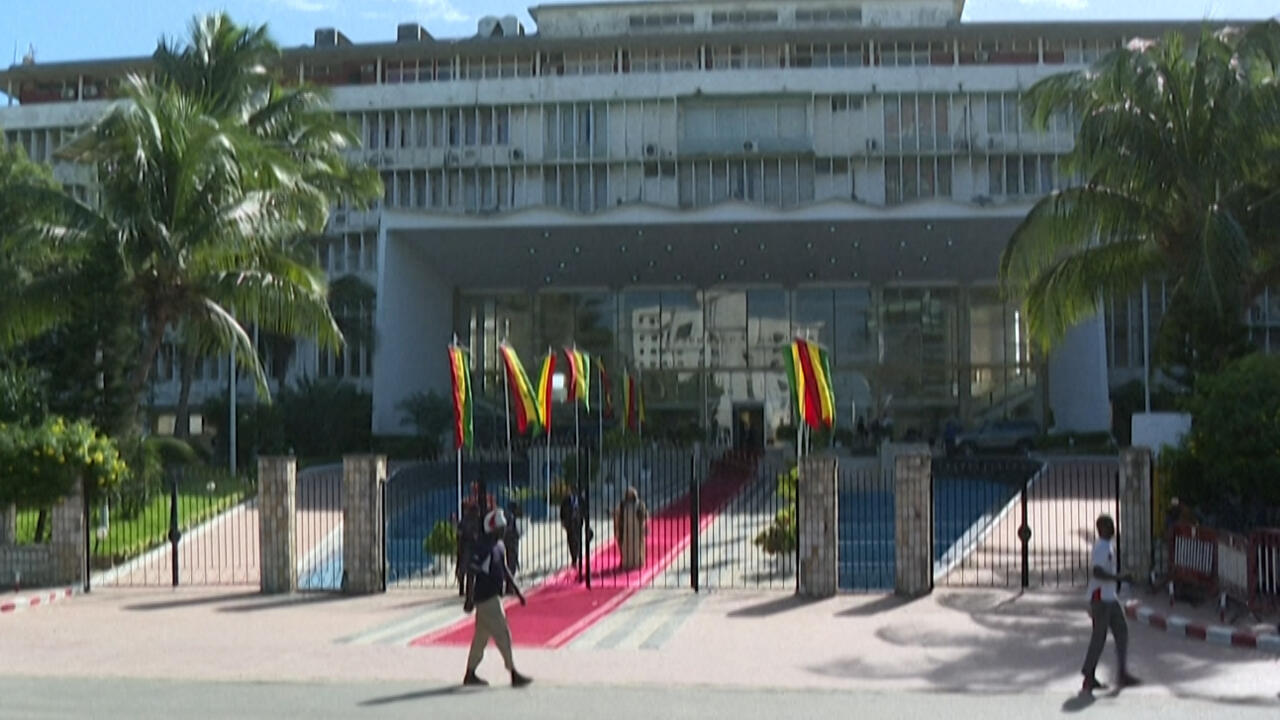
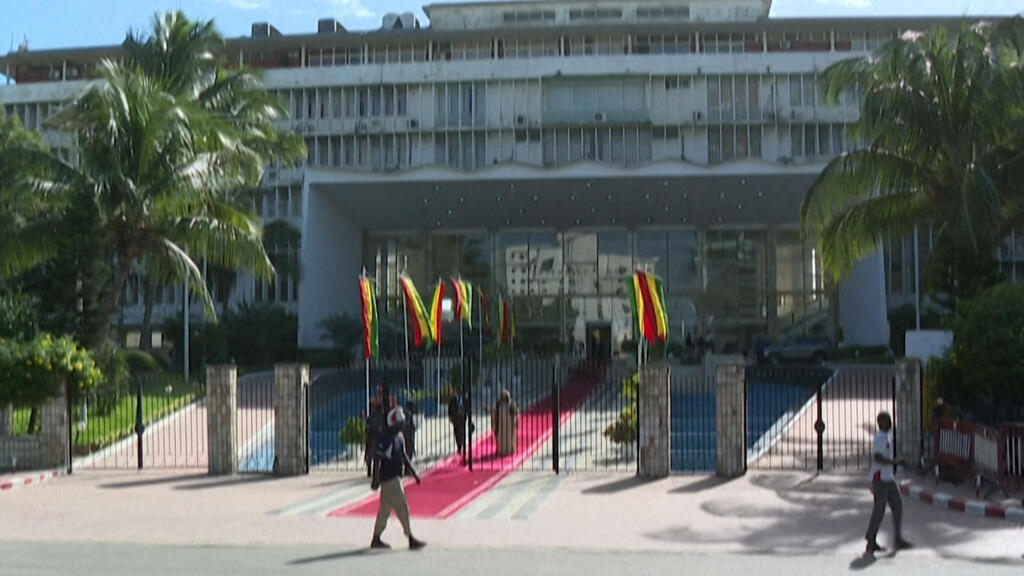
On Monday, a significant moment in Senegalese politics unfolded as 129 deputies in the National Assembly unanimously approved a proposed constitutional revision. This pivotal text, championed by the Pastef party, seeks to fundamentally alter the nation’s governance structure. Key provisions within the reform aim to bolster the authority of both the Parliament and the Prime Minister, while simultaneously redefining the powers traditionally held by the President of the Republic.
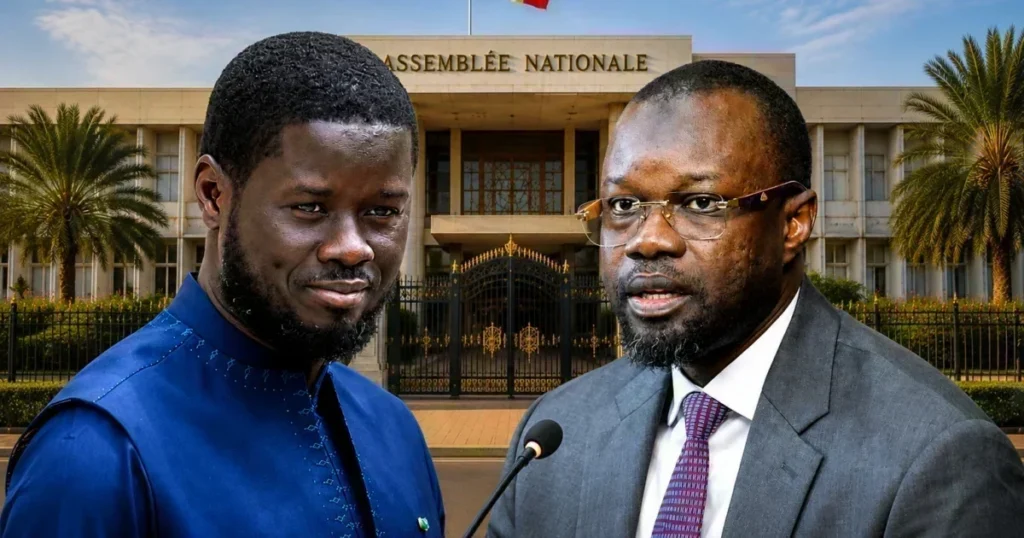
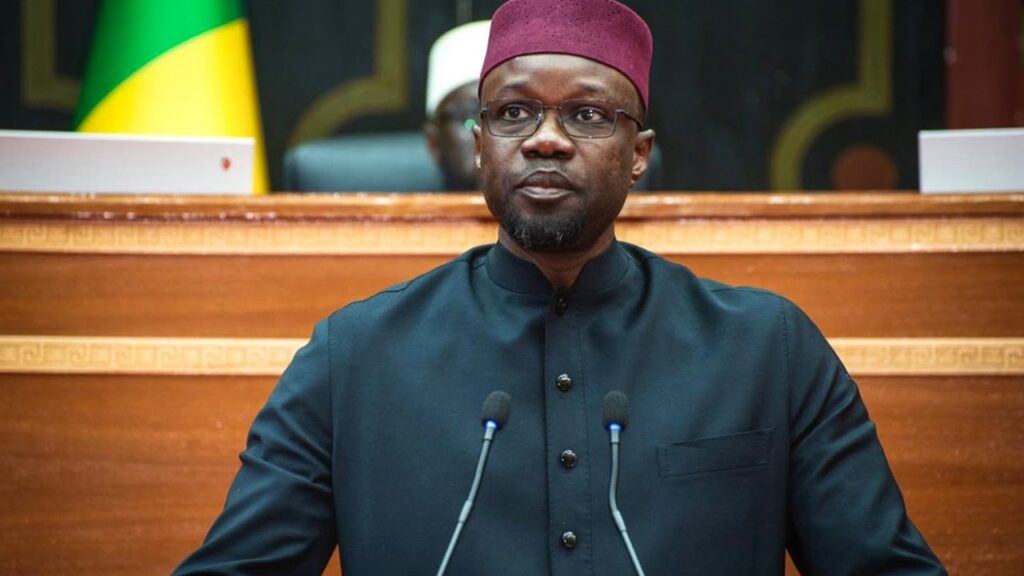
However, this constitutional overhaul has immediately ignited a fierce debate across the West African nation. The coalition supporting President Bassirou Diomaye Faye, alongside several opposition factions, has voiced strong concerns. They allege that the proposed amendments are meticulously crafted to benefit Ousmane Sonko, who previously served as Prime Minister and now holds the influential position of President of the National Assembly. These accusations suggest a strategic move to consolidate power rather than a genuine effort towards democratic enhancement in African politics.
The central questions now facing Senegal revolve around the legitimacy of these claims: Are the accusations of a tailor-made reform for Ousmane Sonko truly justified? Furthermore, President Bassirou Diomaye Faye’s decision to submit this controversial text to a national referendum raises further inquiries. Is this move merely a straightforward exercise in democratic consultation, allowing citizens a voice in their nation’s future, or does it represent a calculated political strategy designed to navigate the complex power dynamics at play?