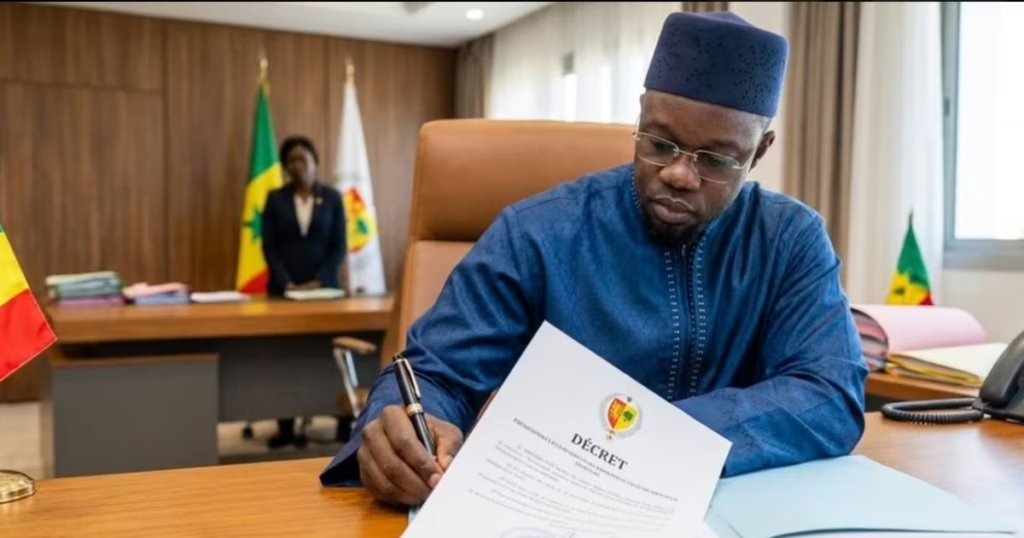
The countdown begins. On December 2, 2026, Senegal’s political landscape faces a historic inflection point as President Bassirou Diomaye Faye gains the constitutional authority to dissolve the National Assembly—a move that could reshape governance, alliances, and the nation’s trajectory. With the Assembly’s term nearing its two-year mark, the stage is set for a strategic gamble that could either consolidate power or trigger a fresh cycle of electoral uncertainty.
The constitutional trigger: why December 2, 2026 matters
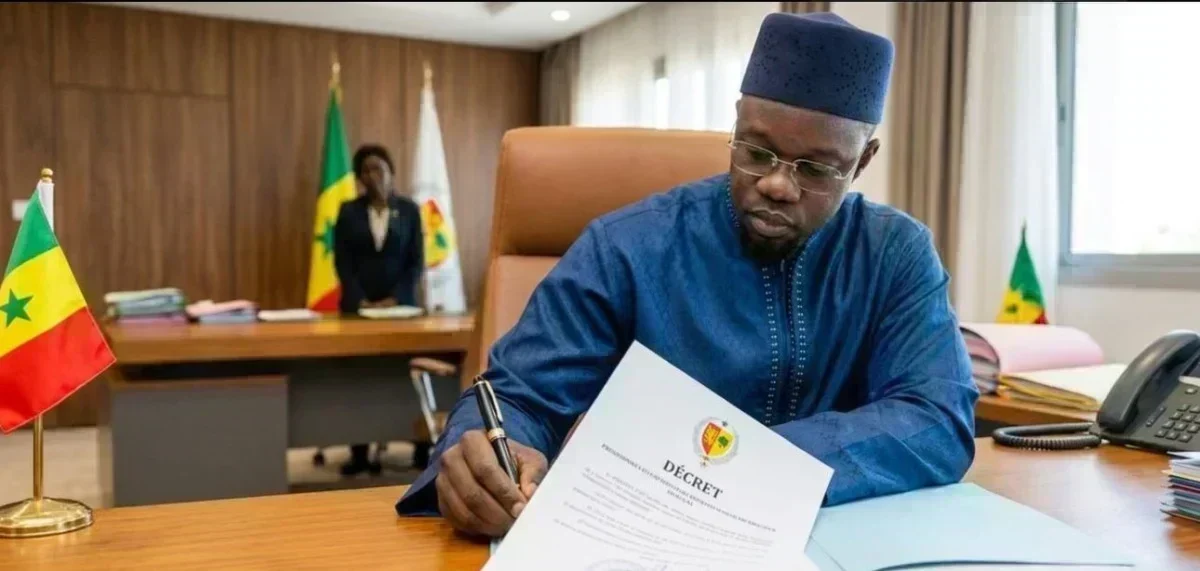
The date is no coincidence. Article 87 of Senegal’s Constitution empowers the president to dissolve the National Assembly after two years of its term. With the current Assembly, dominated by the Pastef party of Ousmane Sonko, seated on December 2, 2024, December 2, 2026, marks the first permissible day for dissolution. This deadline creates a narrow window for Faye to act—opportunely aligning with a period of heightened political tension.
Since breaking ties with Pastef in May 2026, Faye has lacked a parliamentary majority. The Assembly, now led by Sonko, operates as an opposition force despite their shared origins. This unprecedented cohabitation—where the executive and legislature are ideologically estranged—has left governance paralyzed as critical legislation stalls. The president’s recent formation of the Kiiraay party and his push for a fresh mandate suggest a bid to regain control, but the risks are steep.
Options on the table: dissolve, defer, or deploy political pressure
Faye has remained deliberately vague, insisting in international interviews that “we’re not there yet” regarding dissolution. Yet his inner circle signals urgency. Trade Minister Serigne Guèye Diop has framed new elections as inevitable, accusing Pastef lawmakers of “sabotaging” the government’s agenda. Such rhetoric underscores a calculated strategy: the mere threat of dissolution may already be influencing parliamentary debates, even before a decree is signed.
If Faye acts swiftly on December 2, the country would face an expedited campaign. The Constitution mandates elections within 60 to 90 days, pushing legislative polls to late January–early March 2027. This timeline collides with another looming deadline: Prime Minister Ahmadou Al Aminou Lo has scheduled local elections for January 17, 2027. A coupled national and local vote is logistically and politically fraught, as the 2024 precedent demonstrated (dissolution on September 12 led to elections by November 17). Civil society and opposition leaders are already scrutinizing proposals to merge these elections—an arrangement that may not survive legal scrutiny.
The cost of dissolution: financial and political stakes
Dissolving the Assembly would carry a hefty price tag. The 2024 legislative elections cost an estimated 20 billion FCFA (approximately $34 million), with electoral materials alone accounting for over 11 billion FCFA (bulletins, posters, and logistics). For comparison, the 2024 presidential election totaled around 14 billion FCFA. Adding local elections to the mix in early 2027 would inflate the fiscal burden, raising concerns even within Faye’s own camp. A regional leader of Kiiraay in Kaolack has already opposed holding local elections immediately, citing fiscal irresponsibility amid pressing social needs.
The political stakes are equally high. A successful dissolution could restore Faye’s majority, enabling unobstructed governance through the remainder of his term. However, failure would leave him navigating a legislature legitimized by fresh elections—one potentially more hostile than the current Assembly. This dilemma is why the January local elections loom large: they may serve as a litmus test for Faye’s gambit. A poor showing for his party could make dissolution politically suicidal.
Pastef’s dilemma: defending a dominant but fragile position
For Pastef, the calculus is stark. The party holds 130 of 165 Assembly seats, leaving little room for numerical gains in an early election. Yet the stakes transcend seat counts. A decisive victory would validate claims that Faye betrayed their shared 2024 mandate, positioning Sonko as the de facto leader of Senegal’s opposition. The party is not idle: while Faye launched Kiiraay, Sonko’s team has been campaigning aggressively, with Assembly leaders crisscrossing the country to sell party membership cards. This parallel mobilization signals a readiness for electoral battle, whether in January or later.
The dissolution debate also presents opportunities for smaller parties. The collapse of the former majority has created an electoral vacuum, offering opposition factions a chance to regain parliamentary representation. Their strategic choices—whether to align with Faye or Sonko—could redefine the next government’s composition and policies.
As December 2 approaches, one truth emerges: the date is not a deadline, but a trigger. Faye’s options range from immediate dissolution to leveraging the threat as a bargaining chip. Over the coming months, the tabling of the rectified finance law and the 2027 budget will reveal the depth of the impasse between the two branches of government. One certainty remains: 2027 will be defined by ballots, not brinkmanship—and the winner may well dictate Senegal’s political future for years to come.