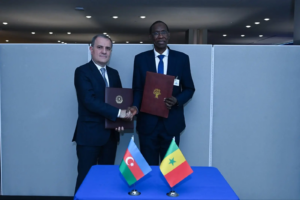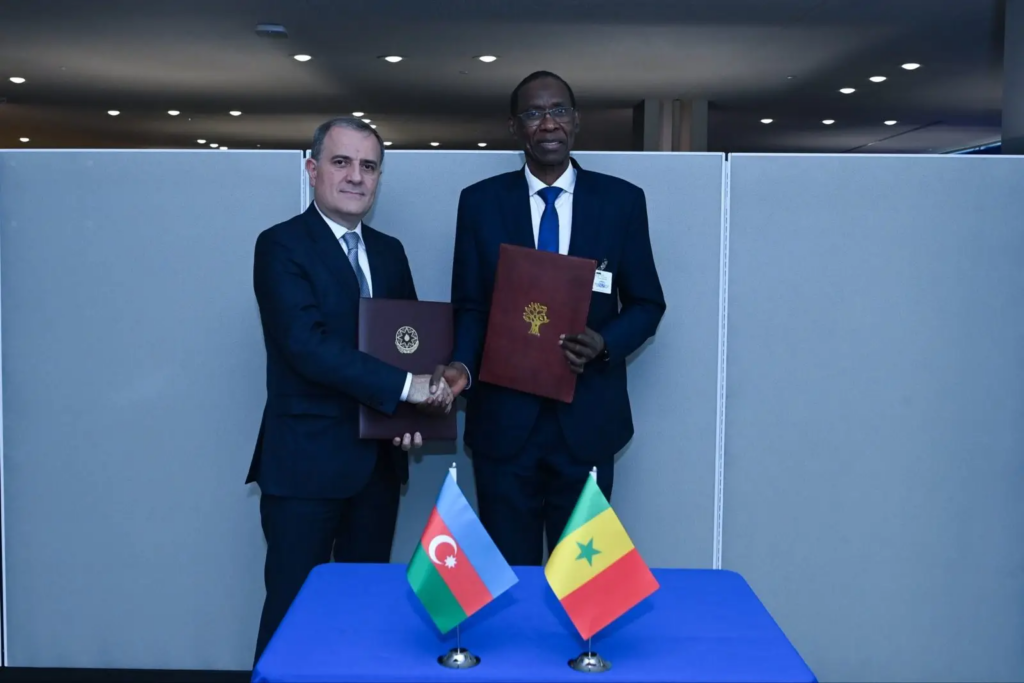
The Republic of Senegal and the Republic of Azerbaijan have reached a decisive milestone in their bilateral relations by signing a landmark memorandum of understanding in New York. This agreement establishes a formal framework for regular political consultations between Dakar and Baku, marking a strategic shift in how the two nations will collaborate moving forward.
How the historic agreement transforms Senegal-Azerbaijan relations
Unlike ad-hoc diplomatic exchanges of the past, this memorandum creates a structured mechanism for ongoing dialogue. The agreement signals both countries’ commitment to institutionalize their cooperation across multiple domains, rather than relying on sporadic high-level meetings.
While the full scope of future consultations remains to be defined, diplomatic observers note this agreement typically serves as a foundation for deeper collaboration in areas including:
- Trade and economic partnerships
- Technical cooperation and capacity building
- Multilateral diplomatic coordination
- Cultural and educational exchanges
Diplomatic momentum builds during UN General Assembly
The timing of this agreement reflects Senegal’s strategic approach to international diplomacy. The High-Level Week of the 81st UN General Assembly in New York provided the ideal platform for finalizing such arrangements, as world leaders gather to address global challenges.
This agreement follows Senegal’s recent pattern of diversifying its international partnerships, particularly with nations in Asia and Eastern Europe. By expanding beyond traditional alliances, Dakar is positioning itself to strengthen its global diplomatic network while pursuing new economic opportunities.
Next steps in implementing the political consultation framework
While the memorandum establishes the foundation for regular dialogue, several key details remain to be clarified in the coming days:
- Implementation timeline: When will the first consultations take place?
- Consultation frequency: How often will the two governments engage?
- Key focus areas: Which specific sectors will take priority?
- Diplomatic format: Will consultations occur at ministerial or technical levels?
The governments of both nations are expected to release additional details about the implementation process through official channels in the near future.
Strategic implications for West Africa
This agreement demonstrates Senegal’s proactive approach to international relations, particularly at a time when West African nations are seeking to strengthen their global positioning. By formalizing this partnership with Azerbaijan—a nation with strategic resources and growing diplomatic influence—the agreement could serve as a model for similar arrangements across the region.
As Dakar continues to expand its international network, this memorandum represents not just a new chapter in Senegal-Azerbaijan relations, but potentially a template for future diplomatic breakthroughs in Africa’s international engagement.