Luxembourg’s €15m gamble sparks new era for Benin’s port sector workforce
A landmark €15 million investment from Luxembourg is set to redefine workforce development in Benin’s port and logistics sector, marking a decisive turning point in the country’s economic trajectory. Signed during the 81st United Nations General Assembly in New York, the CAP-PORT initiative targets young adults, women, and unskilled workers—groups that have long faced barriers to employment in the maritime industry.
The CAP-PORT initiative: who stands to benefit?
The program prioritizes two demographic groups that have historically struggled to access opportunities in Benin’s maritime sector: young adults aged 18 to 35 and women. Additionally, it will include low-skilled workers and existing port employees looking to upgrade their expertise. The goal is clear—close the skills gap that has limited the port’s potential to drive economic growth.
Training modules will cover a broad spectrum of essential competencies, from the operation and maintenance of heavy machinery and vehicles to safety protocols, documentation compliance, and the integration of digital systems. A dedicated training facility will serve as the hub for these programs, though its exact location remains undisclosed.
A strategic partnership with deep roots
The agreement was formalized between Benin and Luxembourg through a signing ceremony led by Hugues Oscar Lokossou, Benin’s Minister of Economy and Finance responsible for external resource mobilization and debt management, and Xavier Bettel, Luxembourg’s Vice-Premier Minister. This collaboration is part of a broader bilateral cooperation portfolio valued at €95 million, with CAP-PORT representing approximately 16% of the total.
However, critical details remain absent from the announcement. The number of intended beneficiaries, the exact launch timeline, the duration of training programs, and the disbursement schedule have not been specified. This leaves open questions about the immediate implementation and long-term impact of the €15 million pledge.
Transforming trade and opportunity
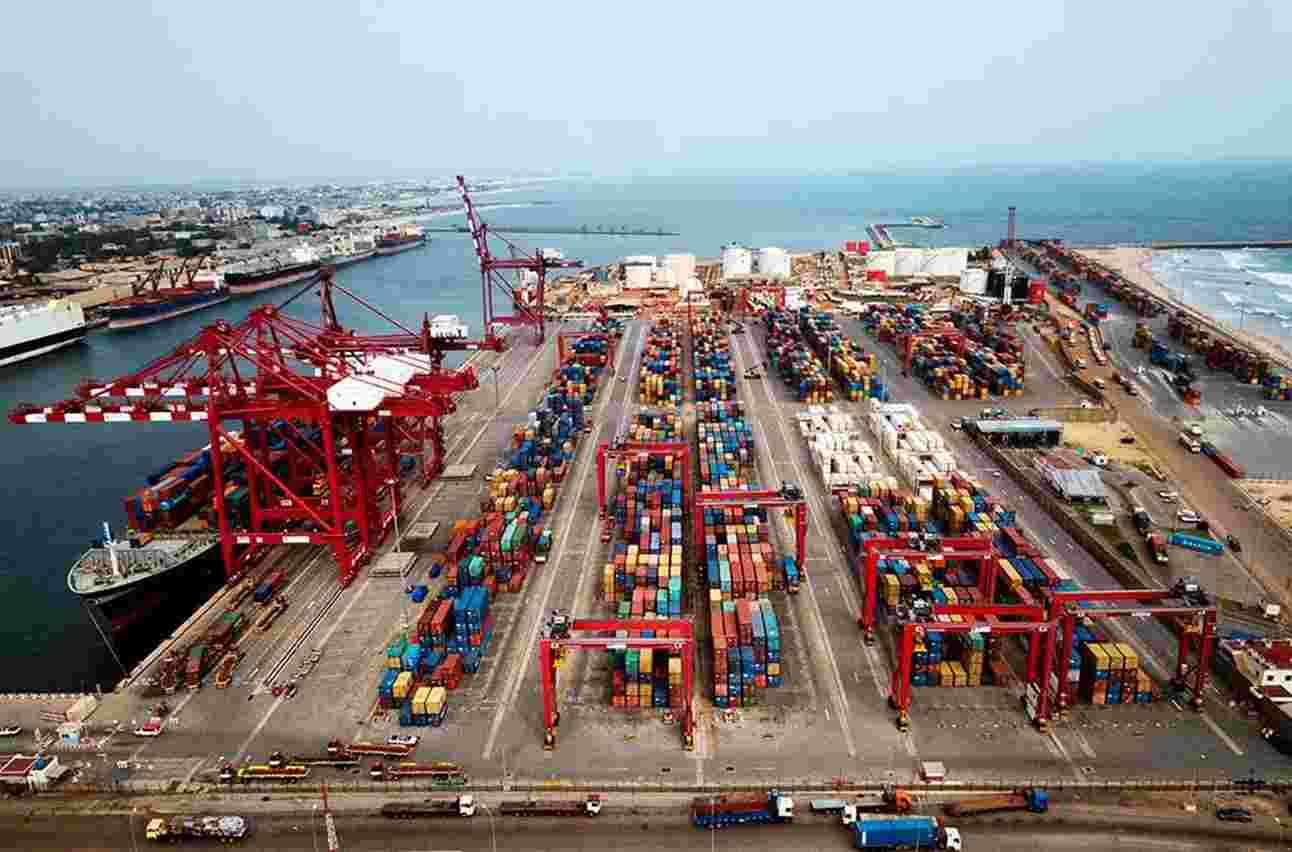
Ongoing constraints in Benin’s port sector—such as outdated training infrastructure and insufficient skilled labor—have hindered its ability to serve as a regional trade gateway. By equipping workers with modern, specialized skills, CAP-PORT aims to unlock new economic potential, enhance trade efficiency, and create pathways to stable employment for thousands of young Beninese.
The initiative arrives at a pivotal moment. As global supply chains evolve and digital transformation accelerates, Benin’s port workforce must keep pace. CAP-PORT not only injects financial resources but also signals a commitment to sustainable workforce development that aligns with international best practices.
Moving from promise to progress
While the €15 million commitment marks a major step forward, its success will depend on transparency, timely implementation, and measurable outcomes. Stakeholders across the port, logistics, and education sectors will be watching closely to see whether this financial infusion translates into real-world improvements in employment, operational efficiency, and economic competitiveness for Benin.