Three decades since the political transition, Senegalese citizens are still awaiting tangible economic progress. The Agenda Senegal 2050 and the Social and Economic Recovery Plan (PRES), launched in 2024 and 2025 respectively, promised a new era of socio-economic development. Yet, nearly three years later, the nation finds itself stuck in a cycle of political wrangling, with economic priorities pushed to the sidelines.
The political landscape remains highly polarized, with partisan clashes overshadowing critical discussions on economic revival. As national parties gear up for the 2029 elections, the focus on political consolidation—such as the formation of the Kiiraye party—has further diverted attention from pressing economic challenges. Meanwhile, the opposition PASTEF strengthens its ranks to maintain influence, leaving the economy to bear the brunt of the delay.
Economic indicators reveal a worrying trend. According to the latest BCEAO report released in June 2026, Senegal’s real GDP growth for the first quarter of 2026 stood at 4.7%, ranking among the lowest in the West African Economic and Monetary Union (UEMOA). Behind Senegal were Guinea-Bissau (5.5%), Burkina Faso (5.6%), Togo (5.8%), Mali (6.1%), Niger (6.1%), Benin (6.4%), and Côte d’Ivoire (6.4%). This marks a significant decline from Senegal’s growth of 7.8% in 2025, the second-highest in the region, with a drop of 3.1 percentage points—the largest contraction among UEMOA member states.
The decline in foreign direct investment (FDI) is equally alarming. FDI plummeted from $3.319 billion in 2024 to a mere $37 million in 2025, reflecting the deepening investor skepticism. These figures highlight the urgent need for Senegal to reclaim its position as the economic engine of UEMOA.
Restoring confidence and accelerating reforms
To reverse this downward spiral, three key actions are essential:
1. Rebuilding investor confidence
A new economic program with the International Monetary Fund (IMF) would serve as a critical confidence-building measure. Such an agreement would not only unlock financial resources but also signal to global markets, credit rating agencies, and development partners that Senegal’s economic trajectory is credible and sustainable. The country’s current challenges in accessing international financing on favorable terms stem from perceived high risk. A robust nation branding strategy is equally vital to showcase Senegal’s economic strengths, attract foreign investment, and promote key sectors such as energy, agriculture, and infrastructure.
2. Empowering the private sector
The private sector must be positioned as the driving force behind economic growth. This requires simplified administrative procedures, improved ease of doing business, enhanced access to financing, and stronger public-private partnerships. Priority should be given to high-impact sectors including energy, infrastructure, transport, logistics, digital technology, and manufacturing. These industries have the potential to catalyze broader economic transformation.
3. Rationalizing public spending
Public resource management must align with the austerity measures promised under the PRES. The delayed merger of state agencies and support structures is a case in point. With limited fiscal space, every dollar saved through efficiency gains must be reinvested into productive sectors that deliver tangible outcomes.
Time is of the essence. The next three years leading up to the 2029 presidential election present a critical window to lay the foundations for sustainable economic growth. By prioritizing economic recovery, Senegal can fulfill its vision of building a sovereign, just, and prosperous nation rooted in strong values.
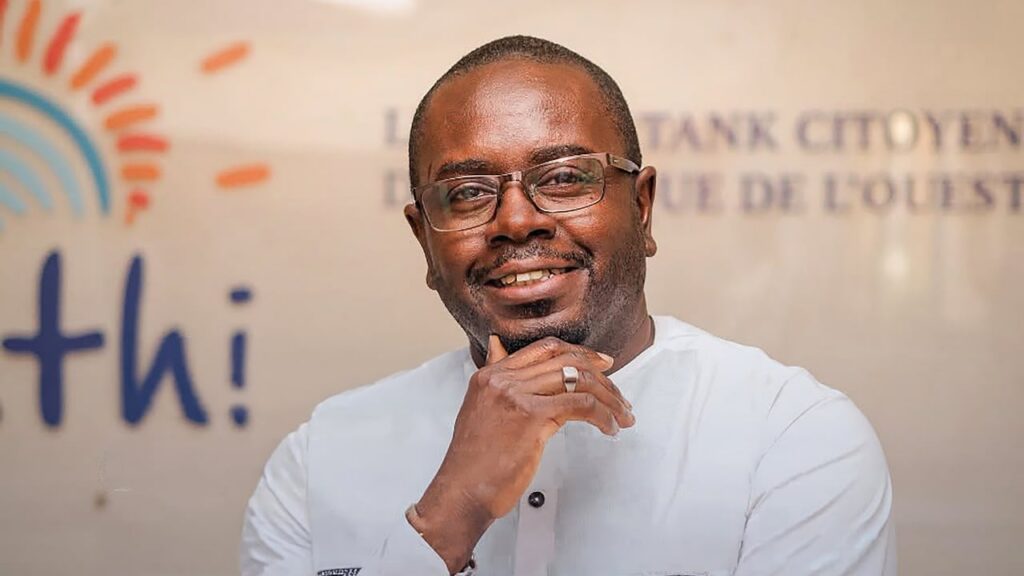
Dr Abdou Diaw
CEO & Founder of Le Marché, an economic and financial magazine