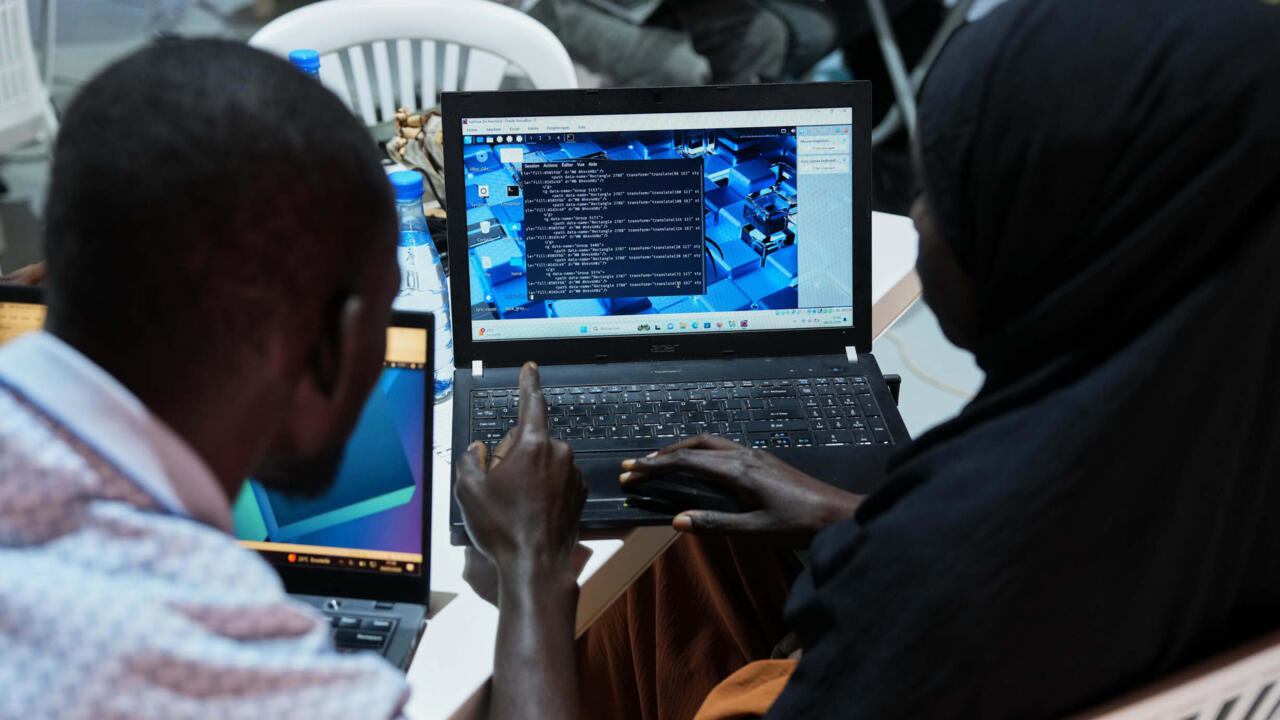
The persistent wave of cyberattacks targeting the Senegalese state continues to escalate. Following incidents affecting the tax authority in October and the national identity card department in January, the Public Treasury has now become the latest victim of malicious hackers.
While each of these events might have been dismissed as a mere technical glitch in isolation, their recurring nature and the critical government institutions targeted paint a far more alarming picture. This pattern underscores a profound vulnerability within Senegal’s digital and public infrastructures, prompting serious concerns about the nation’s overall cybersecurity posture.
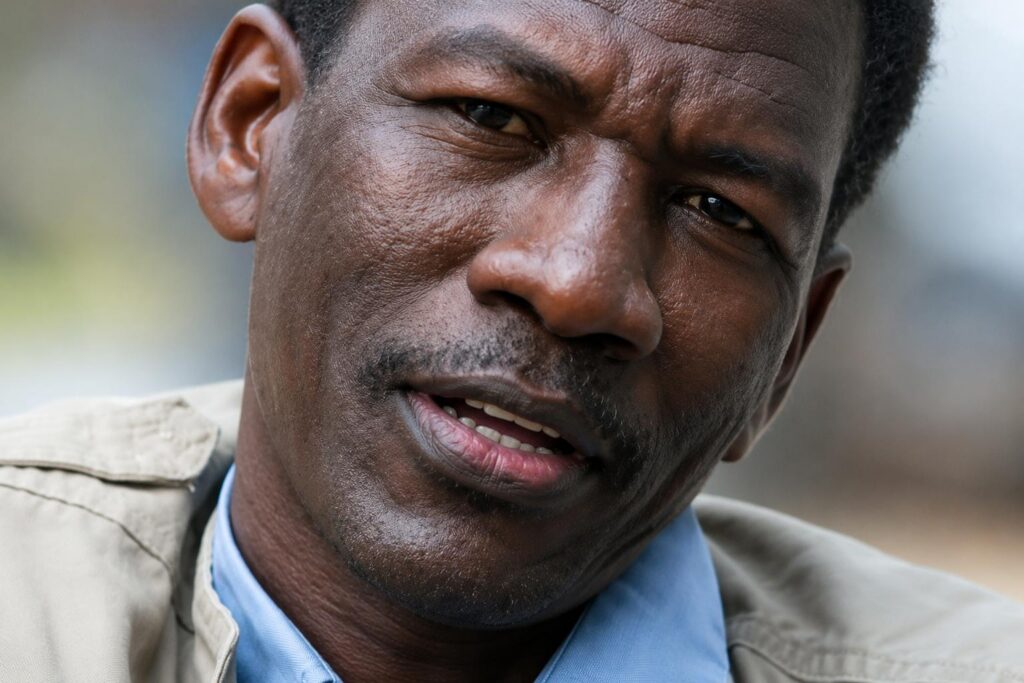
The imperative for Senegal’s digital resilience is now more pressing than ever. A cybersecurity expert, interviewed in the capital, advocates for the establishment of a dedicated national cybersecurity agency. Such an entity would be crucial for better coordinating incident response efforts. The expert also emphasizes the need to develop centers of excellence, foster research, and ensure greater integration of local specialists into national strategic projects to fortify the country’s digital defenses.
The family of Mountaga Tall announces legal action
The prominent Malian lawyer and politician, Mountaga Tall, was apprehended by armed, masked individuals earlier this month. This incident draws striking parallels with the arrest of Maître Guy Hervé Kam in Burkina Faso in January 2024. Tall, a leader of the political movement Sens, has since been charged with “conspiracy against state security” and “criminal association.”
In both the Tall and Kam cases, the similarities are stark: opaque disappearances or arrests, an initial absence of clear official communication, swift mobilization by legal teams, and a surge of fervent social media campaigns. These two situations collectively highlight a growing friction between legitimate security requirements and the fundamental respect for public liberties across the region.
In the DRC, the debate surrounding constitutional reform continues
The discussion over constitutional reform in the Democratic Republic of Congo remains a contentious issue. Ejiba Yamapia, President of the Church of Revival of Congo, has publicly called for a complete overhaul of the 2006 Constitution, which he controversially labeled a “constitution of belligerence.”
The prominent religious figure advocates for a new fundamental law centered on “development and sovereignty,” proposing a shift towards a “more presidential” system of governance. He urges politicians to prioritize “republican consensus” over narrow “electoral interests.” These pronouncements have, however, provoked considerable ire from sections of the opposition. Prince Epenge, spokesperson for the Lamuka coalition, voiced alarm at what he perceives as the Church becoming “a soldier serving Félix Tshisekedi’s third term,” directly challenging Ejiba Yamapia’s stance.
Death of the president of the African Athletics Confederation
Colonel Hamad Kalkaba Malboum passed away in Yaoundé at the age of 75. He was a revered figure in African sports, serving as both President of the African Athletics Confederation and the National Olympic and Sports Committee of Cameroon. Tributes have poured in, with Moroccan athlete Aziz Daouda offering a heartfelt homage.
Daouda stated that with Malboum’s passing, African athletics loses far more than just a leader; it loses a true militant. He described Malboum as one of the last great architects of a generation convinced that Africa could secure its rightful place within global sporting bodies. Daouda further emphasized that for Malboum, Africa was never merely a reservoir of talent destined to enrich other nations. Instead, he envisioned the continent as an organized, respected, and influential sporting powerhouse in its own right.