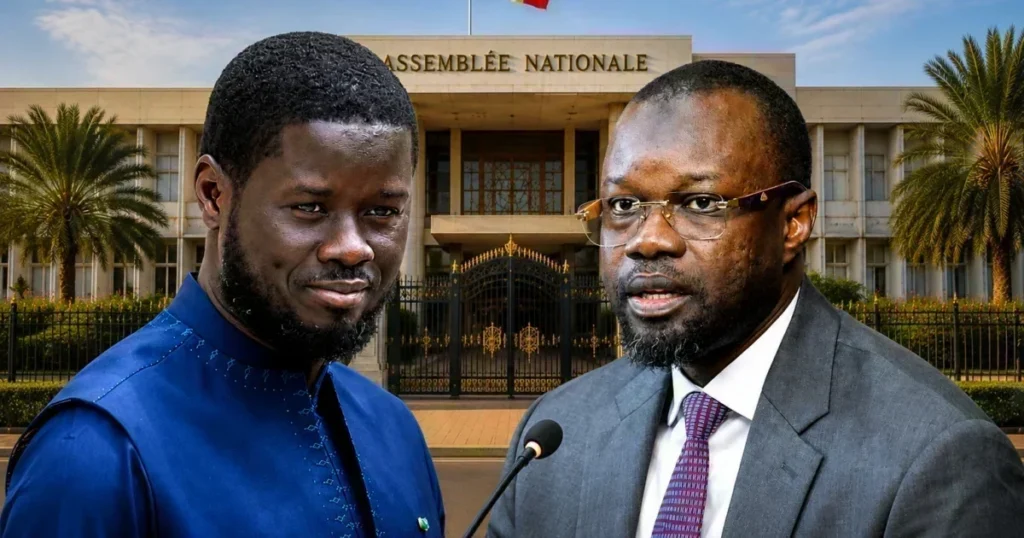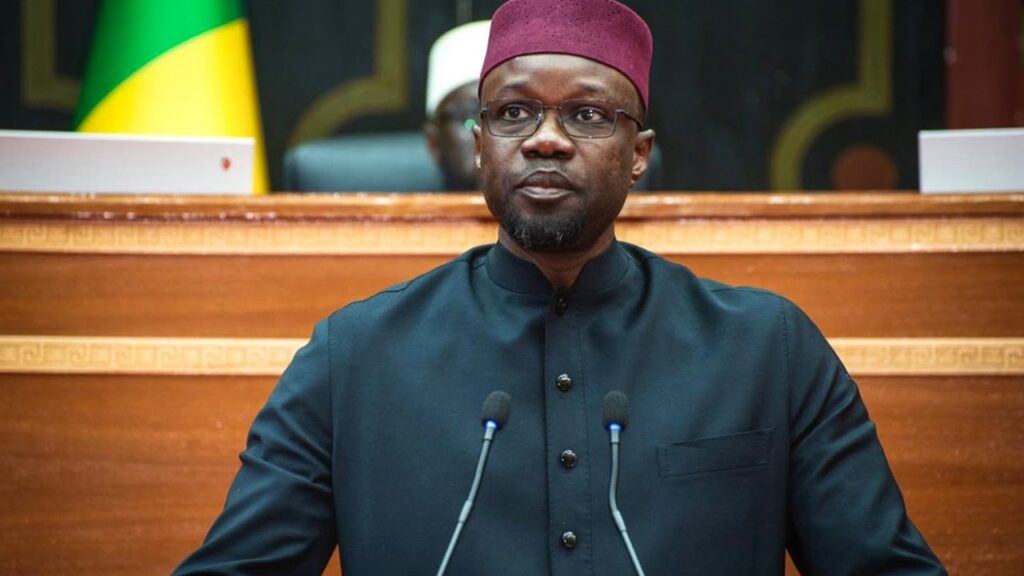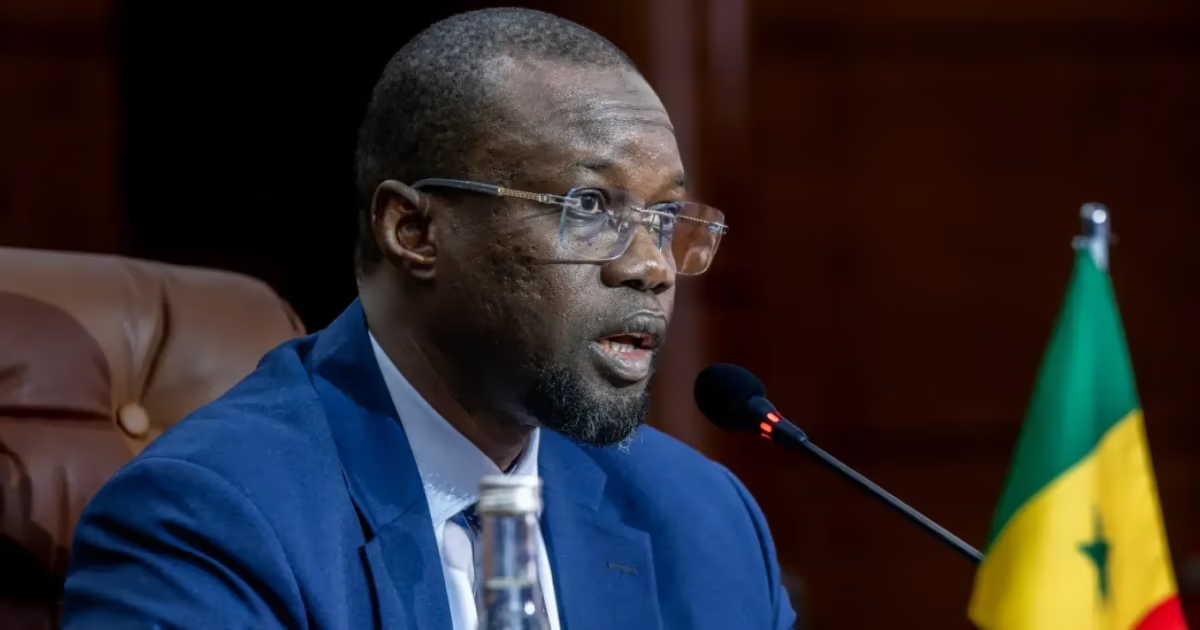
Recent judicial appointments in Senegal have sparked intense debate, with analysts questioning their implications for the nation’s political landscape. Political scientist Mamadou Wane, known as ‘Mao,’ suggests President Bassirou Diomaye Faye may be orchestrating a strategy to sideline opposition leader Ousmane Sonko ahead of the 2029 presidential elections—a move that risks underestimating the resilience of the Senegalese people.
Strategic appointments and political tensions
The reshuffling of top judicial positions, including the Constitutional Council and the Saint-Louis Court of Appeal, marks a significant shift in Senegal’s governance. According to Wane, President Faye’s actions reflect an effort to revive elements of the former neocolonial order while systematically weakening Sonko’s political influence. Such a strategy, he argues, could backfire given the unyielding spirit of the Senegalese population and the robust support for the PASTEF party.
Wane highlights that Sonko’s enduring popularity has repeatedly thwarted attempts to sideline him in past elections. The current judicial appointments, he contends, are part of a broader plan to consolidate power by reinstating figures from the previous regime. This approach, the analyst warns, overlooks the Senegalese people’s deep-rooted commitment to democratic resistance.
Controversial figures take key roles
On July 13, 2023, President Faye appointed magistrate Ousmane Diagne as head of the Constitutional Council, replacing the late Mamadou Badio Camara. Days earlier, former Prosecutor Serigne Bassirou Guèye was named Attorney General at the Saint-Louis Court of Appeal—both appointments drawing scrutiny. Diagne and Guèye have publicly clashed with Sonko in the past: the former was accused of delaying accountability processes, while the latter faced allegations of falsifying a gendarmerie report to frame Sonko in politically motivated charges.
Wane acknowledges Diagne’s appointment without preemptive judgment but condemns Guèye’s track record. « Once a magistrate engages in evidence tampering, their credibility—and right to hold office—is irreparably damaged, » he asserts. Guèye’s involvement in Sonko’s trial, marred by allegations of fabricated evidence, further fuels skepticism about the impartiality of these judicial shifts.
Neocolonial revival or democratic regression?
The political scientist frames the current situation as a revisionist push to restore the pre-2020 political order. He describes it as a divide between those seeking to revive neocolonial structures and those advocating for sovereignty and democratic revolution. « The stakes are clear: this is no longer about policy—it’s an ideological battle, » Wane states.
He cautions President Faye against underestimating the Senegalese public’s historical resolve. « The people who imagine they can politically eliminate Sonko are suffering from political myopia. Senegal’s struggles from 2021 to 2024 proved that resistance isn’t fleeting—it’s a sustained force. Any attempt to dissolve the Assembly or fabricate charges against an elected leader will fail, just as past maneuvers have. »
PASTEF’s rise and the youth’s awakening
Wane points to the surge in PASTEF membership sales as proof of the party’s grassroots strength. « With the most organized network and a leadership unmatched in influence, PASTEF commands the ground game in Senegalese politics today. » He attributes this momentum to Sonko’s charisma and the party’s ability to mobilize across generations.
The analyst emphasizes the Senegalese people’s irreversible democratic maturity, forged through the 2000 and 2012 political transitions and hardened by three years of relentless protest (2021–2024). « The lessons of 2021–2024 are etched in the national consciousness. Senegalese citizens have learned how to force regimes to retreat, regardless of their coercive tools. This collective memory makes Sonko’s elimination an impossibility—his support is not just political, it’s existential. »