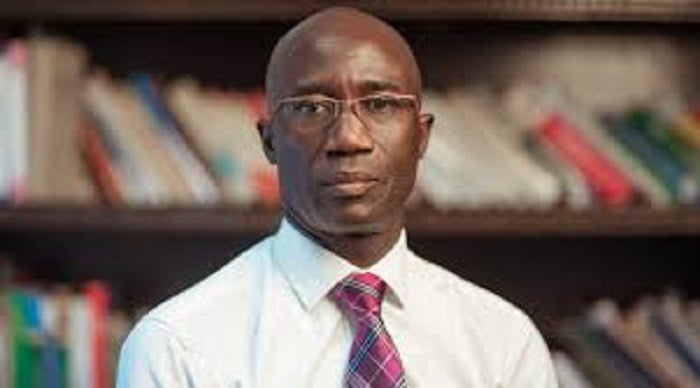
Moussa Sarr has just taken office as Senegal’s new Minister of Justice amid a particularly tense political and judicial climate. His appointment comes at a critical juncture, where accountability demands and complex legal cases intersect, testing both his expertise and the government’s resolve.
With over two decades of legal experience, Sarr brings a strong background in economic criminal law, banking regulations, real estate disputes, and public business law. His career also includes teaching roles at several higher education institutions in Dakar, positioning him as a technically skilled leader for the challenges ahead.
As the new Keeper of the Seals, Sarr inherits a portfolio laden with high-stakes cases, including politically sensitive matters tied to the 2021–2024 unrest. These events left deep societal wounds, with victims and civil society groups still advocating for justice and reparations. While a 2024 amnesty law has been enacted, debates persist over its scope and whether additional legal actions are necessary to address lingering grievances.
Navigating political divides in the justice system
The appointment of Moussa Sarr has not gone unchallenged. His selection occurs against a backdrop of sharp disagreements between the President and former Prime Minister Ousmane Sonko, particularly on how to handle accountability processes. While Sonko has not directly opposed Sarr’s appointment, his public statements reveal fundamental differences over the methods for pursuing financial mismanagement cases and ensuring institutional transparency.
These contrasting approaches—one favoring swift, stringent sanctions and the other prioritizing judicial due process and political neutrality—create a delicate balancing act for the Justice Ministry. The new minister must tread carefully to uphold accountability without compromising the judiciary’s independence or fueling further political tensions.
The stakes are high. Every decision Sarr makes could have far-reaching consequences, shaping not only the government’s credibility but also public trust in the justice system. As Senegal continues to grapple with the fallout from past conflicts, the role of the Justice Ministry has never been more pivotal—or more scrutinized.