A new prime minister at the helm
Senegal is navigating a significant political shift with the appointment of a new prime minister, setting the stage for a new president of the National Assembly to be named in the coming hours. The country’s political dynamics are being fundamentally redrawn.
The new head of government is Ahmadou Al Aminou Mohamed Lo, previously the minister for the National Transformation Agenda Sénégal 2050. He is widely regarded as a technocrat, bringing a wealth of expertise in national and international financial systems to the role. This profile is seen as particularly strategic as Senegal confronts a challenging budgetary environment while striving to meet its ambitious development goals.
President Bassirou Diomaye Faye has entrusted the executive branch to a senior state official well-versed in monetary and financial matters, who has been central to the government from the outset of this new era. Recognized for his proficiency in macroeconomics, banking regulation, financial markets, and Islamic finance, Ahmadou Al Aminou Mohamed Lo is considered one of the key architects of the new governance framework.
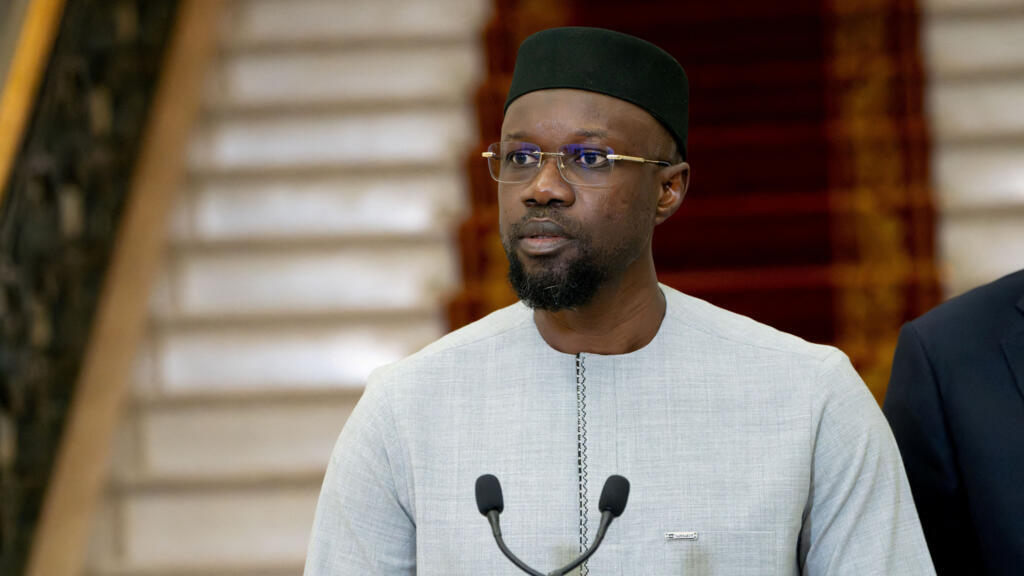
Sonko poised for the National Assembly presidency?
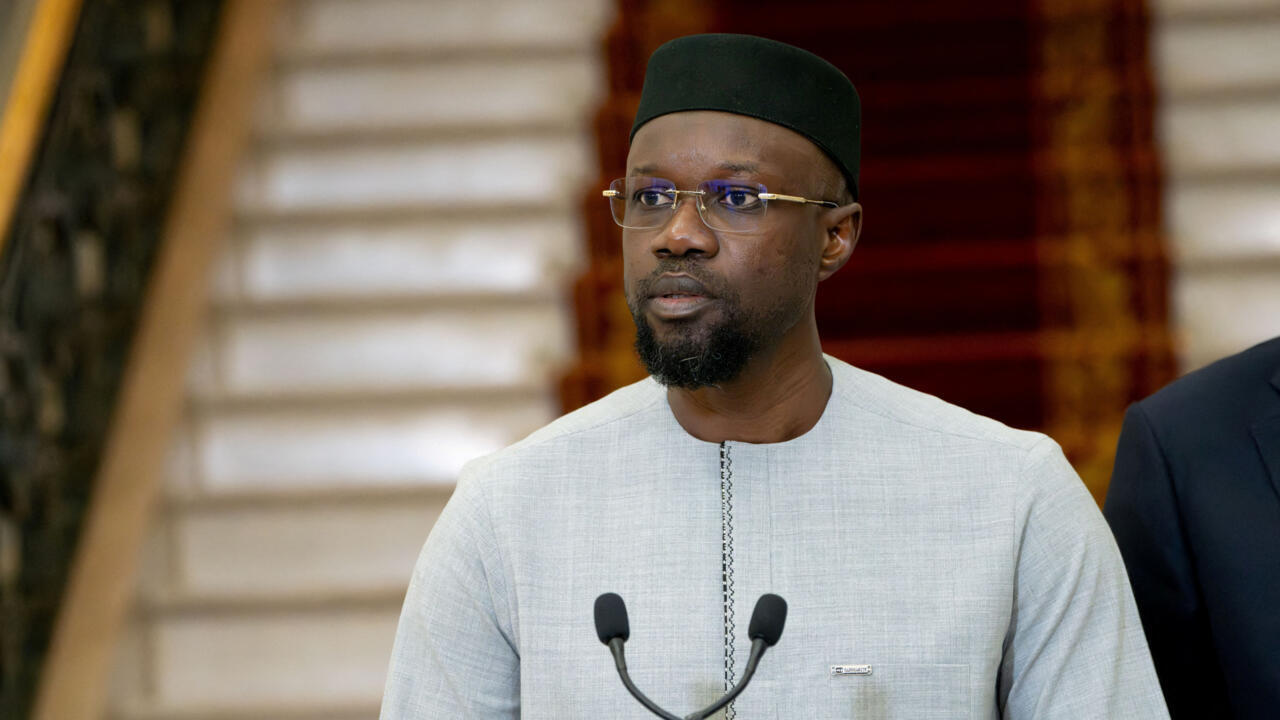
With the new prime minister appointed, President Faye is moving decisively. This Tuesday morning, the National Assembly is scheduled to convene for a session with two key items on the agenda: the reinstatement of deputy Ousmane Sonko and the election of a new assembly president. This meeting is pivotal for the new institutional landscape following the dismissal of former Prime Minister Sonko.
The central question is whether Ousmane Sonko is on his way to securing the speaker’s chair. The strategy of the Pastef party appears to be a direct response to President Faye’s decision, aiming to install its historic leader as the head of the legislative branch. Freed from governmental constraints, Sonko would command a strategic platform to influence the budget, investigative commissions, and the timeline for reforms. Pastef wields considerable power to achieve this, holding a substantial majority of 130 out of 165 seats won in the November 2024 legislative elections.
However, a significant legal question clouds this maneuver. The legality of Sonko reclaiming his seat as a deputy is being contested by several jurists and political figures. Former parliamentarians Cheikhou Oumar Sy and Théodore Chérif Monteil have pointed out that under Senegalese law, the replacement of a deputy by their substitute is generally considered final for the entire legislative term. Tuesday’s session is therefore expected to be highly charged. If Sonko’s reinstatement is approved, Senegal will enter an unprecedented form of cohabitation, with the head of state contending with a parliamentary majority loyal to his main political rival.
The road to the 2029 election
In this tense environment, the 2029 presidential election is already becoming the dominant focus. Ousmane Sonko seems more determined than ever to attain the nation’s highest office. His parliamentary majority has already initiated electoral reforms that some interpret as being designed to remove the obstacles that prevented his candidacy in 2024. A fundamental question remains: will he have the patience to wait for the scheduled election, or will he seek to alter the political timeline by imposing a new institutional balance of power? This is where the primary risk to the country’s stability lies. When two sources of legitimacy from the same political camp can no longer coexist, the entire system risks descending into a state of permanent confrontation. Senegal, long hailed as a stable democracy in a region prone to institutional crises, may be entering a period of significant turbulence.
This new dynamic could manifest quickly with the formation of the new government. The composition of the cabinet is a critical question. Will the new ministers be drawn primarily from the Pastef party, of which President Faye is still a member, or will they be loyalists to the president with no party affiliation? Furthermore, there is the possibility that President Faye could decide to dissolve the National Assembly. This would send Senegalese voters back to the polls, a high-stakes gamble to secure a majority. If Pastef were to win again, not only would Faye’s chances in 2029 be effectively nullified, but Sonko would be cemented as the undeniable political powerhouse in Senegal.