Senegal’s Parliamentary Leader Advocates for Institutional Transformation at the African Union
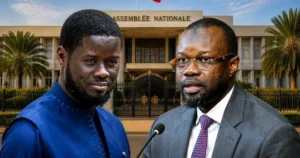
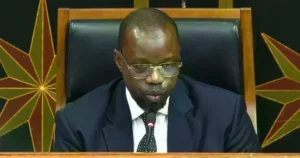
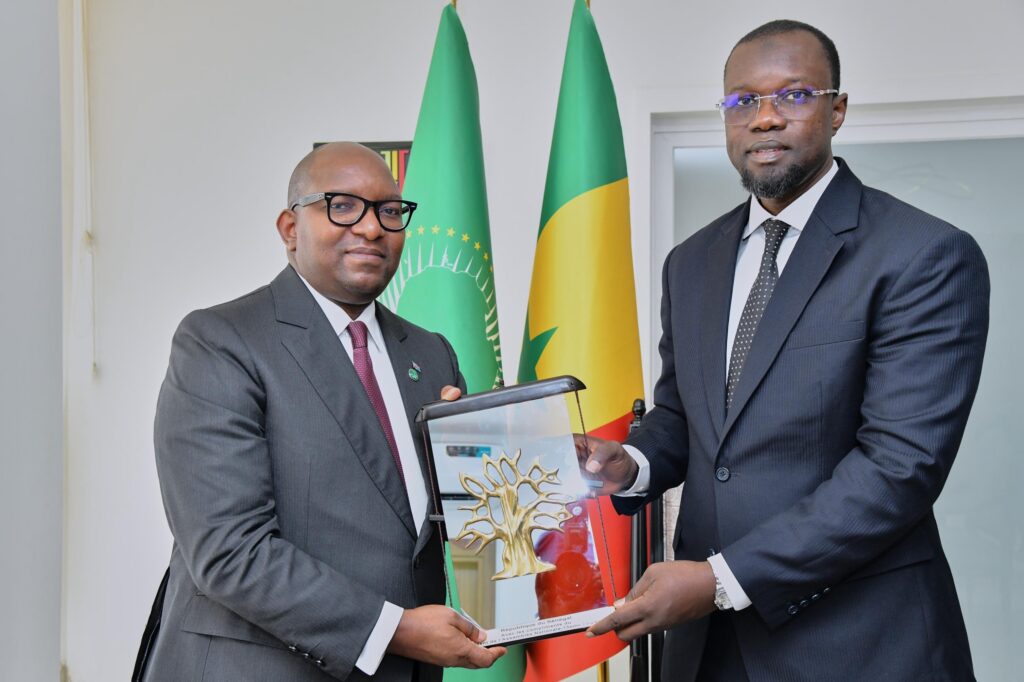
The President of Senegal’s National Assembly, Ousmane Sonko, held a pivotal meeting on June 4 with Jean-Michel Sama Lukonde Kyenge during the 85th session of the Executive Committee of the African Parliamentary Union (APU). This high-level discussion centered on the reorganization and operational enhancement of one of Africa’s key parliamentary bodies.
The encounter unfolded against a backdrop of persistent continental challenges—including governance gaps, economic disparities, and institutional inefficiencies—that continue to hinder Africa’s progress. Both leaders exchanged views on strategic reforms to bolster the APU’s effectiveness and align its mission with the continent’s evolving political landscape.
key proposals for a stronger parliamentary body
Sonko presented several concrete recommendations during the talks, emphasizing the urgent need for structural reforms within the APU. His proposals included:
- Streamlining decision-making processes to eliminate bureaucratic bottlenecks and accelerate response times to continental issues.
- Enhancing collaboration with the African Union (AU) to ensure greater coherence between parliamentary resolutions and continental policies.
- Increasing transparency in governance and financial management to rebuild public trust in regional institutions.
The Senegalese parliamentary leader underscored that a more agile and unified parliamentary voice is essential for addressing Africa’s multifaceted crises, from security threats to economic instability.
aligning parliamentary and continental priorities
Beyond internal reforms, Sonko called for deeper synchronization between the APU and the AU. He argued that parliamentary diplomacy must play a more proactive role in shaping continental policies, ensuring that legislative bodies reflect the aspirations of African citizens. This alignment, he noted, would strengthen collective action and amplify the continent’s influence on the global stage.
The meeting highlighted a growing consensus among African parliamentary leaders: institutional reform is not optional but necessary for sustainable development. By fostering greater integration between regional bodies, Africa can leverage its collective strengths to tackle shared challenges more effectively.
This gathering signals a bold step toward a more unified and responsive parliamentary system in Africa.