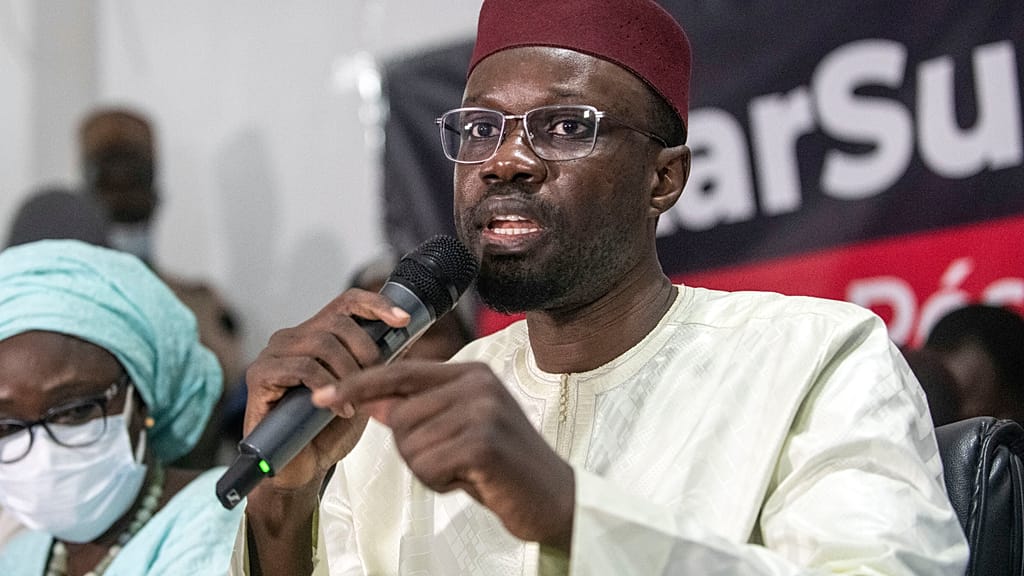
The discourse surrounding LGBTQ+ rights has sparked heated debates in Senegal, a predominantly Muslim nation where advocating for such freedoms is frequently framed as a form of cultural imposition by Western powers. This contentious issue has intensified political conversations, with prominent figures like Ousmane Sonko joining the conversation to challenge what they perceive as foreign interference in national values.
Controversial statements on LGBTQ+ values
In recent public remarks, Ousmane Sonko, a leading political figure, condemned what he described as an attempt by Western nations to enforce LGBTQ+ rights in Senegal. He characterized this pressure as a form of cultural tyranny, arguing that such demands undermine the country’s deeply rooted traditions and religious principles. His statements have reignited discussions about national sovereignty versus global human rights expectations.
Senegal’s stance on LGBTQ+ rights amid global scrutiny
Senegal remains one of Africa’s countries where homosexuality is criminalized, reflecting the conservative values held by a significant portion of its population. The debate has become a focal point in the nation’s political landscape, with some leaders framing the issue as a direct challenge to Senegalese identity. Meanwhile, international observers continue to monitor the situation, often framing it as a human rights concern.
As Senegal navigates these complex dynamics, the conversation around LGBTQ+ rights remains deeply divisive, blending legal, cultural, and political dimensions. The country’s leadership faces the challenge of balancing global expectations with domestic priorities, all while addressing the concerns of its citizens.