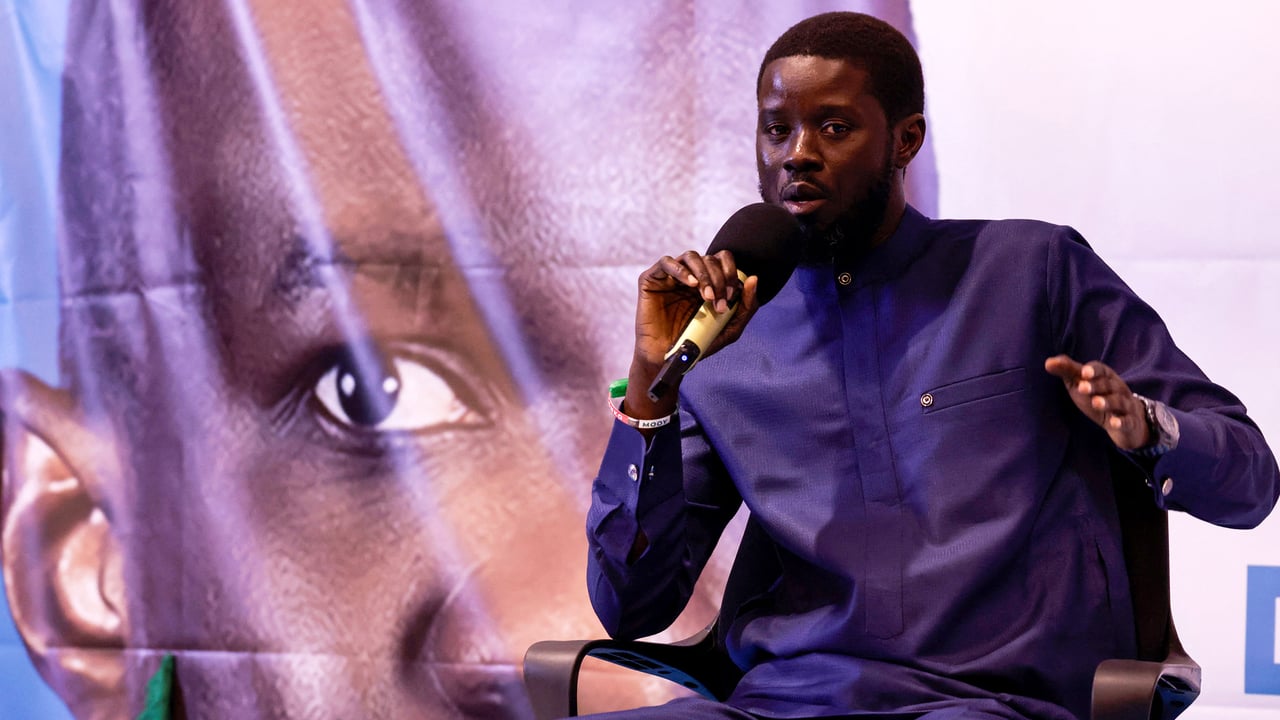
In the heart of Dakar’s political landscape, a rift has widened between two prominent leaders, Bassirou Diomaye Faye and Ousmane Sonko, once allies whose bond has now fractured into open hostility. This clash is not a sudden eruption but the culmination of long-standing tensions that have simmered beneath the surface for years.
At its core, the dispute stems from contrasting visions for Senegal’s future. Diomaye, who has positioned himself as a reformist figure, advocates for sweeping changes in governance and economic policy. Meanwhile, Sonko, a veteran opposition leader, has consistently challenged the status quo, positioning himself as a champion of the marginalized.
From camaraderie to confrontation
Their relationship began on a collaborative note. Both figures emerged from the same political movement, Pastef, which rallied behind their shared goals of justice and systemic reform. Early in their careers, they were united in their criticism of the government, organizing protests and advocating for transparency. However, as their influence grew, so did their differences.
Key disagreements emerged over leadership style and strategic direction. Sonko has often been described as a firebrand, unafraid to confront authority directly, while Diomaye has favored a more measured approach, focusing on legislative and administrative reforms. These divergent methods created friction, particularly as Diomaye began to assert his own agenda within the movement.
The breaking point
The most visible signs of their estrangement came during the recent electoral campaigns. Where once they stood side by side on the same stage, now they are seen as rivals vying for control of Pastef’s future. Public statements from both camps have escalated, with accusations of betrayal and manipulation flying between them. Supporters of each leader have taken to social media, amplifying the divide with competing narratives.
Observers note that the fallout extends beyond personal animosity. It reflects a broader struggle within Senegal’s political sphere, where factions are realigning in anticipation of upcoming elections. Diomaye’s rise to prominence has threatened traditional power structures, while Sonko’s enduring popularity among youth and disenfranchised groups remains a formidable force.
A divided movement
The rupture between the two leaders has left Pastef at a crossroads. In the past, their combined efforts were instrumental in mobilizing the public against corruption and mismanagement. Now, the movement faces the risk of splintering, with each leader drawing distinct segments of the electorate. Grassroots activists are torn between loyalty to one or the other, unsure of which path aligns best with their aspirations.
Industry analysts warn that this infighting could weaken their collective influence, particularly if the opposition fails to present a united front. The stakes are high, as Senegal navigates economic challenges and social unrest, demanding strong, cohesive leadership.
What’s next for Senegal’s political landscape?
The coming months will be critical in determining whether Diomaye and Sonko can reconcile their differences or if their feud will deepen further. Political pundits speculate that internal reforms within Pastef may be necessary to heal the divide, but the path forward remains uncertain. For now, the nation watches as two former allies navigate a relationship that once promised transformative change but now threatens to derail it entirely.