Senegal’s prime minister condemns western pressure on homosexuality laws
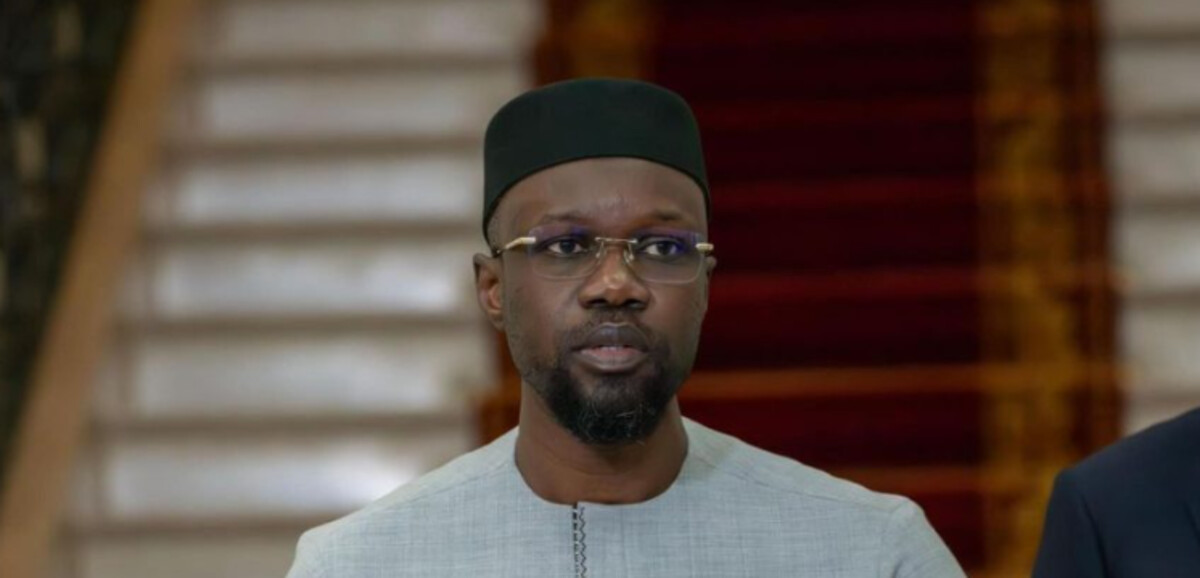
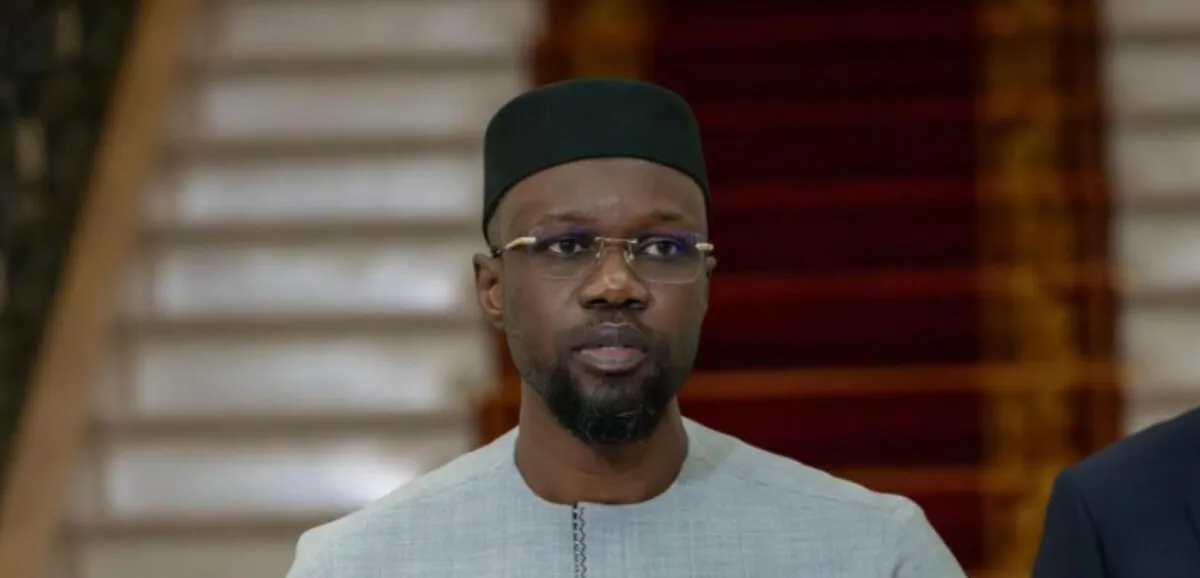
On Friday, May 21, Senegal’s Prime Minister Ousmane Sonko stood firmly against international calls to reconsider the nation’s strict stance on homosexuality. Speaking before lawmakers, he framed Western interference as an attempt to impose foreign values on Senegal’s sovereign legal framework.
Rejection of Western Demands for Moratorium
During his address, Ousmane Sonko forcefully argued that Western nations—despite their global influence—should not dictate Senegal’s legal standards. “With eight billion people worldwide, only a small fraction—the West—holds sway due to economic and media dominance, yet seeks to dictate moral norms to the rest of humanity,” he asserted. His remarks were made in direct response to mounting criticism from international human rights groups calling for a moratorium on the enforcement of the recently amended legislation.
Stricter Penalties for Homosexuality in Senegal
In early March, Senegal’s parliament passed a controversial amendment to the penal code, increasing penalties for same-sex relations from five years to a decade behind bars. President Bassirou Diomaye Faye signed the bill into law on March 31. Sonko made it clear that the government has no intention of suspending or delaying the application of these harsher penalties, emphasizing national autonomy in legal matters.
Cultural and Religious Debate in Senegal
Homosexuality remains a deeply divisive issue in Senegal, a predominantly Muslim West African nation where religious and traditional values hold significant weight. Supporters of the new law argue it aligns with the country’s cultural and religious identity, while critics—including human rights advocates—warn of the potential for discrimination and civil rights abuses. The government maintains that the legislation is a matter of national sovereignty, resisting external pressures to amend or repeal it.