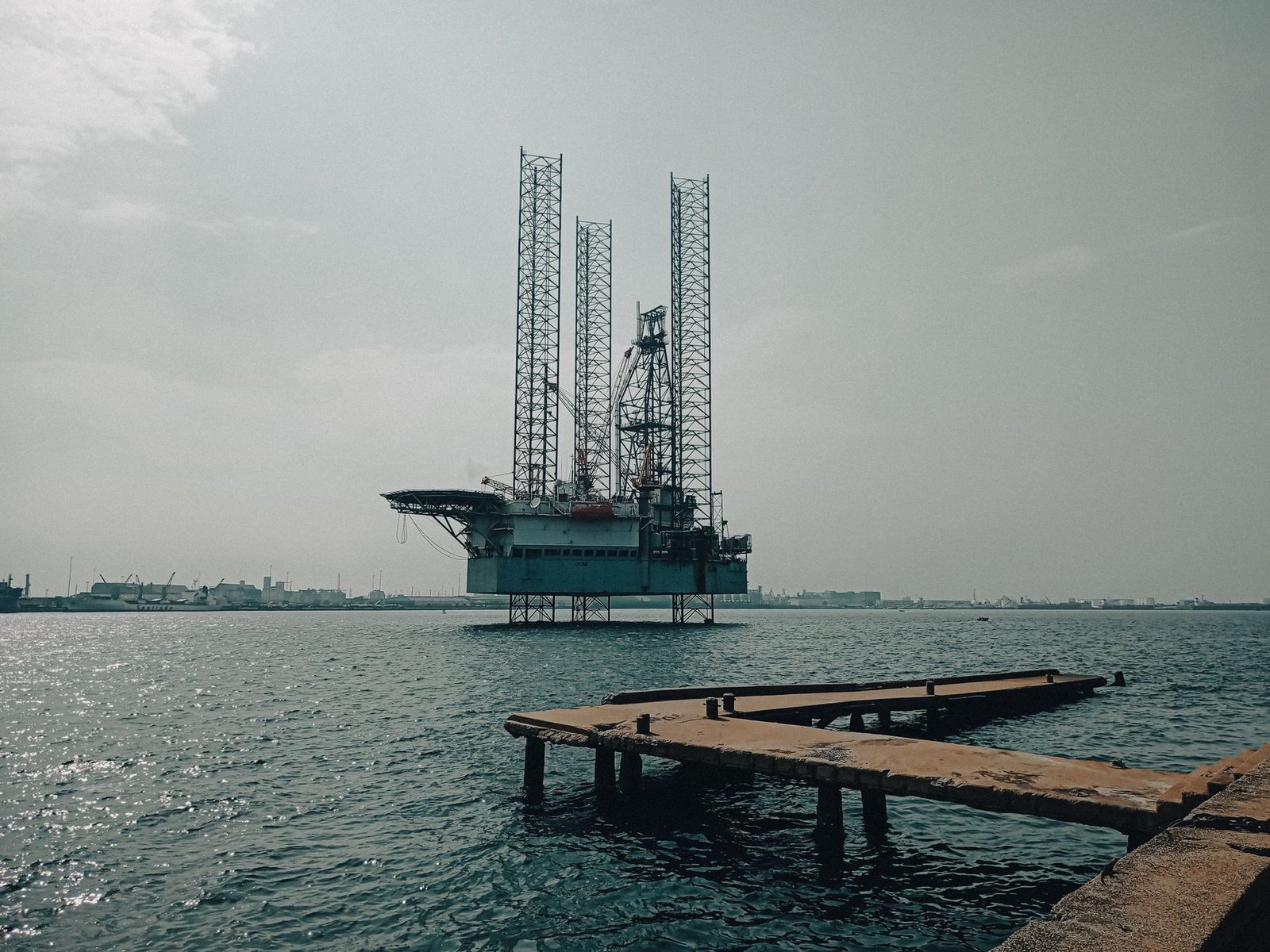
Shell’s return to Gabon signals a pivotal moment for the country’s oil sector. A decade after withdrawing its operations, the Anglo-Dutch giant is set to re-enter Gabon’s sedimentary basins as Libreville ramps up efforts to reverse the steady decline in its hydrocarbon output. This strategic move comes amid sweeping reforms initiated following the nation’s political transition, sending a clear message to global investors about Gabon’s renewed commitment to revitalizing its energy industry.
Shell’s departure in 2016 saw the company divest its onshore assets to Assala Energy, a subsidiary then under the ownership of Carlyle Group. The transaction, valued in the hundreds of millions of dollars, was part of a broader global portfolio consolidation, with Shell prioritizing higher-return projects in liquefied natural gas and deepwater exploration. The withdrawal left a significant void, marking the loss of one of Gabon’s most established oil operators.
Political momentum behind Gabon’s oil revival
Shell’s return coincides with the presidency of Brice Clotaire Oligui Nguema, who assumed office in August 2023 before securing electoral confirmation. Over recent months, Gabonese authorities have intensified efforts to make the upstream sector more appealing. Revisions to the hydrocarbons code, renewed licensing rounds, and bilateral negotiations with major oil companies reflect a deliberate push to reverse the country’s declining production, which currently hovers around 200,000 barrels per day—far below the historic peak of the late 1990s.
For Shell, this about-turn is no minor decision. Having previously offloaded mature onshore assets deemed non-strategic, the company is now recalibrating its African strategy. With fewer major onshore discoveries, rising deepwater exploration costs, and a push for medium-term growth in oil production, the Gabonese basin—particularly its deep offshore and pre-salt potential—has regained appeal as a viable investment destination.
Stabilizing Gabon’s oil-dependent economy
Oil remains Gabon’s top foreign exchange earner, accounting for over 40% of government revenue and nearly 80% of exports. However, the gradual depletion of mature fields, compounded by years of underinvestment, has strained this economic pillar. Authorities are banking on the return of industry heavyweights to reignite exploration and extend the lifespan of existing fields.
Several international players have already signaled renewed interest in Gabon. The national oil company, Gabon Oil Company (GOC), is playing a growing role in managing assets as existing contracts expire or undergo renegotiation. Shell’s comeback could unfold in collaboration with other operators active in the region, such as Perenco, TotalEnergies, and BW Energy, whose offshore holdings have expanded in recent years.
Uncertain blueprint for Shell’s Gabon strategy
Key details of Shell’s resurgence remain unclear: the specific blocks targeted, investment timelines, financial commitments, and contractual frameworks. Whether the company focuses on deep offshore or mature onshore assets will shape the scale of its engagement. A deepwater push would require multi-hundred-million-dollar investments, while a strategy centered on optimizing existing fields would demand a more cautious, incremental approach.
Beyond Shell’s case, Gabon’s ability to convert policy announcements into tangible investments will determine the sector’s trajectory in the coming decade. In a competitive region where Nigeria, Angola, Namibia, and Senegal vie for capital from major oil firms, Libreville’s success hinges on credibility. Shell’s return serves as a critical test for the new administration’s vision and capacity to deliver.