The Sino-Congolese cooperation program faces a critical bottleneck as customs clearance delays stall progress on key infrastructure projects across the Democratic Republic of the Congo (DRC). Despite coordinated efforts from technical, financial, and institutional stakeholders, the impasse at Matadi port has paralyzed the deployment of essential materials, threatening to halt or significantly slow down construction activities nationwide.
bitumen stuck at port, road projects grind to a halt
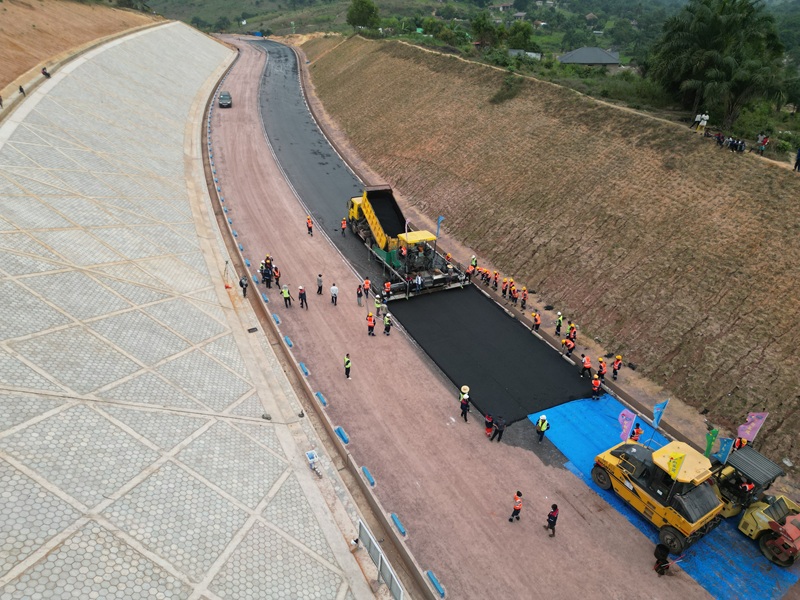
Nico Nzau Nzau, Director General of the Agence Congolaise des Grands Travaux (ACGT), raised the alarm during a recent infrastructure caravan meeting with Minister of Infrastructure John Banza. The road surfacing works on several major highways, including the Kinshasa ring roads and rural routes like Matadi–Tshela–Singini and Kananga–Kalamba Mbuji, remain stalled due to the prolonged detention of over 1,477 tons of bitumen imported by SISC SA since January 2026. Though exempt under Law No. 14/005 of February 11, 2014, and the Fifth Amendment to the Cooperation Agreement signed in 2024, the consignment remains held up at Matadi port, awaiting clearance.
Minister Banza acknowledged progress on multiple fronts, including the ongoing expansion of Kikwit General Referral Hospital—where 17 new buildings and 11 modernized wards have increased capacity from 150 to 650 beds—but warned that customs delays now threaten the entire program’s timeline. With the dry season traditionally accelerating construction schedules, the current bottlenecks risk derailing delivery timelines for projects like the Kinshasa South-East and South-West ring roads, the RN1 segment between Mbujimayi and Nguba, the Idiofa Stadium, and the Kikwit hospital upgrade.
stuck equipment and fiscal hurdles compound the crisis
The logjam extends beyond bitumen. Nearly 1,650 tons of bitumen for the RN1 rehabilitation and an array of heavy machinery—including concrete plant components for the Idiofa Stadium—remain trapped at customs checkpoints in Katanga. Unresolved requests for tax exemptions and indirect levy waivers, particularly for materials destined for these projects, have languished for months, despite the legal provisions in place.
The Agence de Pilotage, de Coordination et de Suivi des Conventions (APCSC), mandated to streamline customs clearance for infrastructure projects under the program, has yet to resolve the impasse. Without urgent intervention, the sector risks a domino effect: stalled equipment deployment will delay on-site assembly, prolong project timelines, and defer socioeconomic benefits to communities awaiting these critical infrastructures.
seasonal pressure and public impact
The timing could not be worse. The dry season, which typically accelerates construction progress, is now colliding with customs paralysis. Projects like the South-East Ring Road substructure in Kinshasa and land clearance operations on the same route have shown promise, but persistent blockages threaten to undermine these gains. The population, which has long awaited modern road networks, hospitals, and public amenities, faces continued delays or even complete suspension of these transformative initiatives.
The current customs crisis is more than a procedural delay—it is a systemic challenge that risks undermining the entire Sino-Congolese partnership. Without decisive action to unblock consignments and process exemptions, the program’s potential to drive national development could be severely compromised.