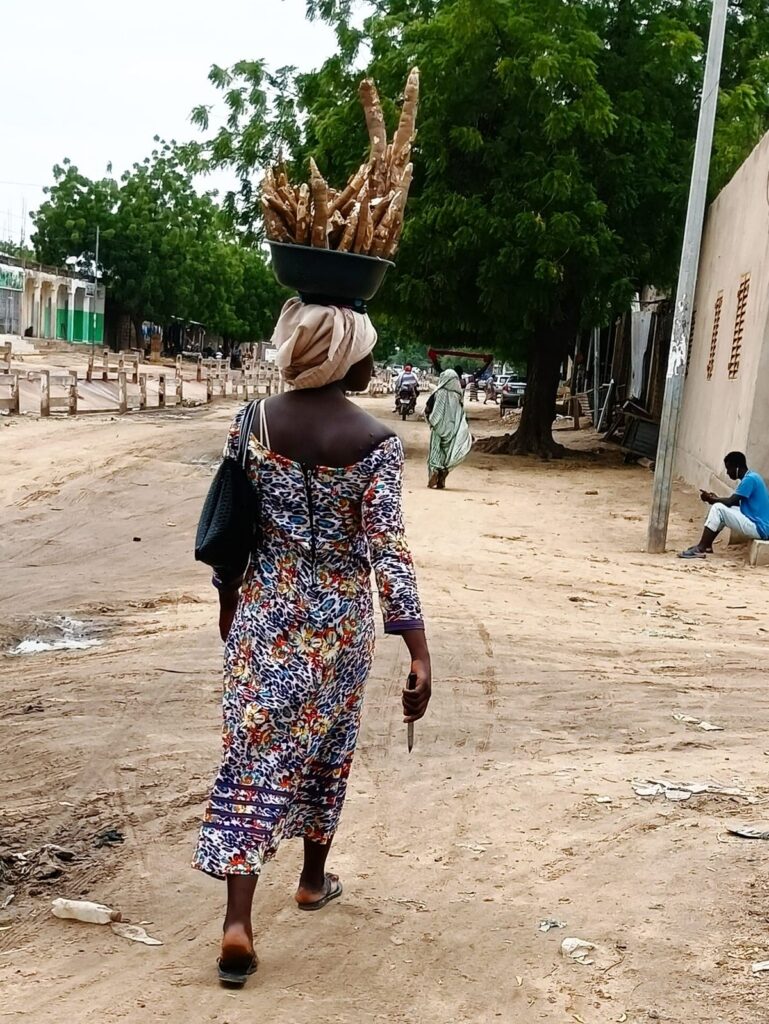
In the bustling streets of N’Djamena, a silent crisis is unfolding—one that’s reshaping the self-image of a generation. The culprit? Social media. Platforms like TikTok, Instagram, and Facebook have turned beauty into a currency, and young girls are paying the price. What starts as harmless scrolling often spirals into an obsession with perfection, fueled by filters that erase imperfections and algorithms that reward flawless selfies.
the rise of digital beauty standards
Gone are the days when mirrors alone dictated standards of beauty. Today, young women in N’Djamena compare their lives to the curated highlight reels of influencers, where every flaw is airbrushed and every outfit is meticulously styled. The pressure to conform to these digital ideals is no longer confined to screens—it’s seeping into schools, markets, and even family conversations.
For many, the quest for online validation begins innocently. A quick touch-up on a photo here, a new outfit there, until suddenly, the pursuit of likes and shares becomes an all-consuming habit. The problem? No amount of editing can fill the void left by unrealistic expectations. Young girls find themselves trapped in a cycle of self-doubt, where self-worth is measured in likes and comments.
the hidden costs of chasing perfection
The obsession with digital beauty doesn’t come cheap. Stories emerge of teenagers saving pocket money for skin-lightening creams or borrowing funds for trendy clothes, all in a bid to keep up with the curated online personas. Others resort to extreme measures—skipping meals, over-exercising, or even altering their appearances through risky procedures—to match the standards set by influencers.
Behind the scenes, however, lies a harsh reality. Many of the flawless images flooding feeds are far from authentic. Filters distort facial features, lighting masks flaws, and videos are carefully staged. Yet, to impressionable young minds, these illusions become the benchmark for beauty. The disconnect between reality and the digital façade is widening, leaving many feeling inadequate and isolated.
breaking free from the digital trap
Reversing this trend requires more than just awareness—it demands action. Parents, educators, and communities in N’Djamena must work together to shift the narrative. Conversations about self-esteem, media literacy, and the dangers of perfectionism need to take center stage. Schools can introduce programs that teach critical thinking about online content, while families can encourage open discussions about the pressures of social media.
The goal isn’t to demonize technology but to reclaim control over how it’s used. Young girls must be reminded that their worth extends far beyond their appearance. True confidence isn’t built on likes or followers—it’s rooted in self-acceptance, resilience, and the courage to be unapologetically themselves.
The digital age has given rise to new challenges, but it also offers opportunities to redefine beauty on our own terms. The question is: will N’Djamena’s youth rise above the illusion, or will they remain prisoners of the screen?