Chadian bishops urge dialogue to break political deadlock

In a strongly worded statement released on May 6, the Catholic bishops of Chad expressed deep concern over the country’s rapidly deteriorating political climate. The prelates called on authorities to foster an environment of trust conducive to national reconciliation, declaring that “sincere and inclusive dialogue remains the only viable path out of the current impasse.”
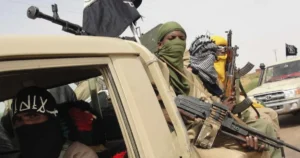
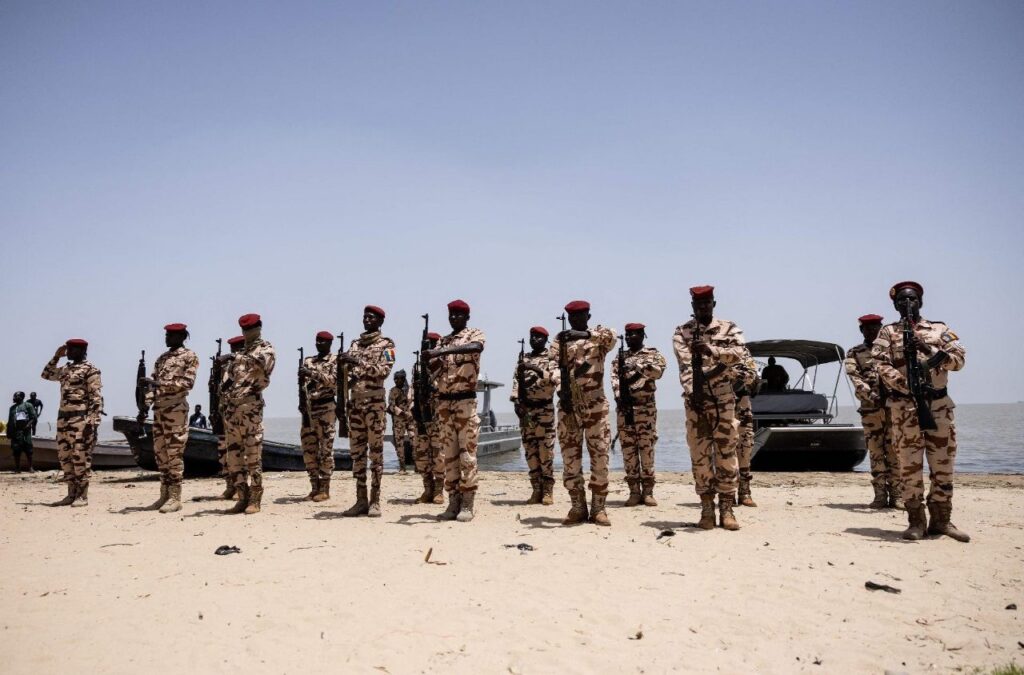
The bishops’ appeal comes amid escalating intercommunal violence in regions such as Dar Tama in Wadi Fira and Guera. The latest tragedy unfolded on May 5 with an attack on a military base in Barka Toulorom, near Lake Chad, resulting in at least 23 fatalities according to official government reports. Just days prior, on April 26, intercommunal clashes in eastern Chad claimed at least 42 lives.
The bishops condemned these acts of violence in the strongest terms, reaffirming that “no one has the right to take human life,” and warning that “violence only deepens divisions rather than resolving conflicts.”
Upholding democratic principles and human rights
The Catholic leaders also raised alarms over what they described as a “wave of arrests targeting opposition figures and critics.” In their statement, they emphasized that such actions “undermine Chad’s democratic foundations, including freedom of expression and respect for human rights.” They cautioned that these measures “further weaken social cohesion and threaten the nation’s social fabric.”
Celebrating diversity as a national strength
The bishops stressed the importance of respecting Chad’s cultural, political, and religious pluralism, asserting that diversity is “a source of strength rather than an obstacle to building a unified nation.” They argued that “exclusion, violence, and injustice can only be overcome through dialogue, justice, and mutual respect.”
Building peace through constructive engagement
Reaffirming their commitment to dialogue as the cornerstone of peace, the bishops urged “all stakeholders to engage in meaningful, truth-based discussions aimed at finding peaceful solutions.” They called for “wisdom and restraint from authorities” to create a climate of trust essential for reconciliation, emphasizing that “peace is a precious gift that must be preserved collectively.”
The prelates extended their heartfelt condolences to the families of victims and urged the nation to unite in compassion and solidarity during this difficult period.